
How To
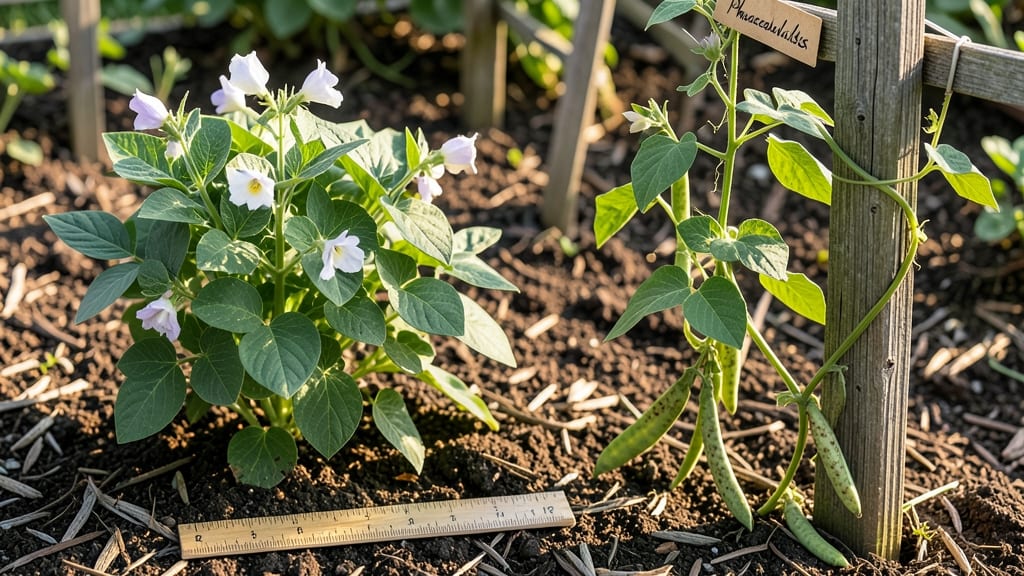
If you're planning your garden layout this spring, knowing how tall do pinto beans grow could mean the difference between a crowded mess and a thriving, space-efficient harvest. These versatile 🌱 plants come in two distinct forms—bush and pole varieties—that behave completely differently in your garden.
Bush pinto beans typically stay compact, reaching just 18 to 36 inches tall, making them perfect for small gardens or container growing. On the other hand, pole varieties can climb 6 to 10 feet tall, turning them into vertical space-savers for larger plots.
The right choice depends on your available space and gardening goals.
Understanding these growth patterns isn't just about aesthetics—it directly impacts your yield. Bush beans mature faster and produce all their pods at once, while pole beans give you a longer harvest window.
I'll break down the key differences so you can pick the perfect variety for your garden's layout and your harvesting preferences.
Ready to transform your garden's vertical potential? Let's explore how to maximize growth, whether you're working with compact bush beans or towering pole varieties. The right support and care can make all the difference in your harvest success.


Pinto bean growth height comparison: bush vs pole varieties explained
When planning your pinto bean garden, the first question I ask myself is: how tall will these plants grow? The answer depends entirely on the variety you choose.
Pinto beans come in two main types—bush beans and pole beans—and their height differences can change how you design your garden space. Let me break down the key differences so you can plan accordingly.
If you're short on space, bush pinto beans are your best bet. These compact plants typically reach 18 to 36 inches tall, making them perfect for small gardens, containers, or even balcony setups. They grow in neat, rounded bushes, producing pods all along their stems.
On the other hand, pole pinto beans are the tall giants of the bean world, climbing up to 6 to 10 feet tall with proper support.
Here’s where things get interesting: pole beans don’t just grow taller—they also produce more pods over a longer season. While bush beans mature quickly (usually in 50 to 60 days), pole beans take a bit longer (around 60 to 90 days) but reward you with a continuous harvest.
This makes them ideal for larger gardens or vertical gardening setups.
Now, let’s talk about the space requirements for each. Bush beans need about 3 to 4 inches of space between plants and 18 to 24 inches between rows.
Pole beans, however, require 4 to 6 inches between plants but can be planted in rows 3 feet apart since they’ll climb upward. This vertical growth saves precious garden real estate!
One more thing to consider is maturity timing. Bush beans often produce all their pods at once, meaning you’ll have a short harvest window. Pole beans, with their extended growth, give you a prolonged harvest, which is great if you love fresh beans all summer long.
But if you’re short on time or space, bush beans are the easier choice.
Let’s dive into the specifics with a quick comparison table to help you visualize the differences at a glance.
| Variety | Height Range | Space Between Plants | Harvest Window | Support Needed |
|---|---|---|---|---|
| Bush Pinto Beans | 18–36 inches | 3–4 inches | Short (50–60 days) | None |
| Pole Pinto Beans | 6–10 feet | 4–6 inches | Long (60–90 days) | Trellis or pole |
As you can see, the choice between bush and pole beans isn’t just about height—it’s about how you want to use your garden space and how long you want to enjoy a harvest.
Bush beans are great for quick, easy growing with minimal upkeep, while pole beans offer a longer harvest season and can even add a vertical element to your garden design.
If you’re new to growing pinto beans, I’d recommend starting with bush varieties like ‘Oregon Sugar Pod’ or ‘Contender’. These are reliable, low-maintenance options that produce sweet, tender pods.
For something more adventurous, try pole beans like ‘Blue Lake’ or ‘Kentucky Wonder’, which can transform a small corner of your garden into a productive vertical space.
One thing I always remind myself is that soil quality and sunlight play huge roles in how tall your pinto beans grow. Both varieties thrive in well-draining soil with plenty of sunlight, but pole beans especially benefit from rich, fertile soil to support their rapid vertical growth.
If you’re growing pole beans, don’t skimp on the trellis—it’s the secret to maximizing their height and yield!
Finally, remember that harvest timing affects height too. If you let pods mature too long on the plant, the plant may redirect energy toward seed production, slowing its growth. For the best results, harvest regularly to encourage continuous growth and productivity.
Whether you choose bush or pole, keeping your plants healthy and well-cared-for will ensure they reach their full potential height.
Pinto bean growth height comparison: bush vs pole varieties explained
When planning your garden, knowing the mature height of pinto beans helps you decide between bush varieties (compact) and pole varieties (climbing). Bush beans typically reach 18-36 inches tall, while pole beans can soar 6-10 feet—that’s a game-changer for space efficiency!
The right choice depends on your garden layout and harvest goals.
Bush beans grow in compact mounds, making them ideal for small gardens or containers. They mature faster (50-60 days) and produce all their pods at once, perfect for quick harvests.
Pole beans, however, take longer (60-75 days) but offer a prolonged harvest as pods develop up the vine.
Pinto Bean Growth Comparison
| Variety | Height Range | Mature Time | Harvest Window | Space Needs |
|---|---|---|---|---|
| Bush Beans | 18-36 inches | 50-60 days | 2-3 weeks | 2-3 sq ft per plant |
| Pole Beans | 6-10 feet | 60-75 days | 4-6 weeks | Trellis or fence (3-4 ft wide) |
🌱 Pro Tip: Pole beans save space vertically, while bush beans work well in tight spots.
For bush beans, space them 4-6 inches apart in rows 18-24 inches apart to prevent overcrowding. Their compact growth means no trellis is needed, but you’ll need to harvest pods frequently to encourage more production.
Pole beans, however, thrive with support structures like trellises, fences, or stakes. Plant them 3-4 inches apart at the base of the trellis, allowing vines to climb upward. This vertical growth not only saves space but also improves airflow, reducing disease risk.
Both varieties benefit from well-draining soil and consistent moisture, but pole beans may need extra watering during their longer growing season. If you're short on horizontal space, pole beans are the clear winner for maximizing yield in a small footprint!
Ready to choose? Consider your garden’s layout and whether you prefer a quick, concentrated harvest (bush) or a longer, staggered one (pole). Either way, pinto beans deliver delicious results! 🌿