
How To
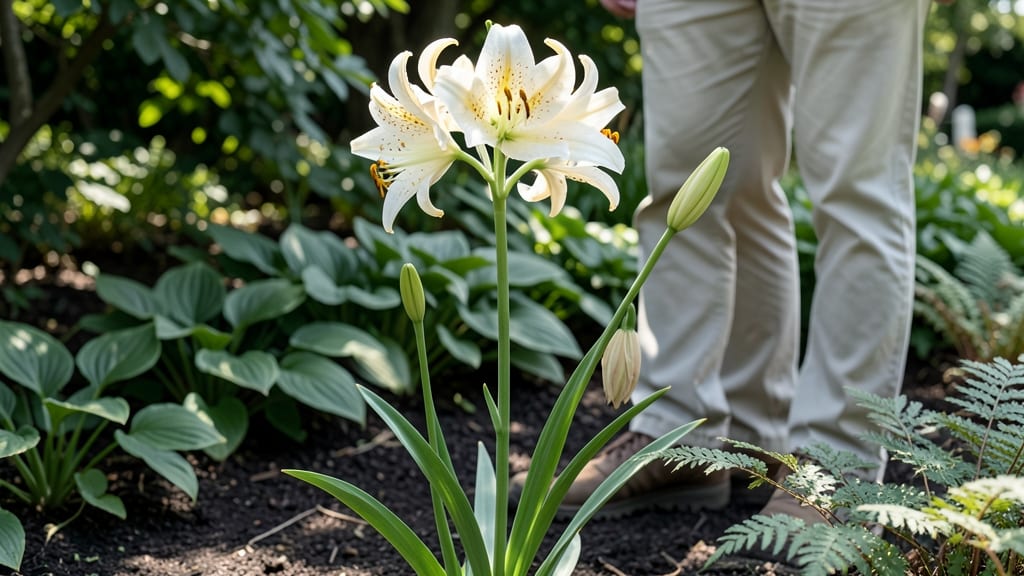
If you’ve ever wondered how tall do lilies grow in your garden, the answer might surprise you—these stunning 🌸 blooms can range from dainty 1-foot dwarfs to towering giants that reach 7 feet or more!
Whether you're designing a cozy flowerbed or a dramatic vertical display, knowing the height of your lily varieties is key to planning spacing, supports, and even companion plants.
Some lilies, like the compact 'Little Sister' Asiatics, stay under 2 feet, making them perfect for borders or containers. On the other end of the spectrum, Oriental hybrids like 'Stargazer' can shoot up to 6 feet, demanding sturdy stakes or trellises to keep them upright.
The right placement ensures your garden stays balanced—tall lilies behind shorter perennials, for example, creates a stunning layered effect.
But height isn’t just about aesthetics—it’s also about care. Tall lilies need extra support to prevent flopping, while dwarf varieties thrive in tight clusters. I’ll break down the exact heights by type, spacing tips to avoid overcrowding, and creative ways to showcase your lilies, whether they’re petite or sky-high.
Let’s get your garden growing with confidence!
Ready to transform your space? You’ll discover how to pair lilies with other plants, when to stake them for maximum impact, and even how to encourage healthier growth. Your garden’s vertical potential starts here—let’s make it happen!


Lily height by type: from dwarf to giant varieties
Lilies are famous for their dramatic vertical growth, but their mature heights can vary wildly depending on the species. Some varieties stay compact enough for containers, while others reach towering heights that require staking or trellises.
Understanding these differences helps you choose the perfect lily for your garden space and design goals.
I’ve grown everything from dwarf lilies that barely reach my waist to giant trumpet lilies that dwarf me at 7 feet tall. The key is knowing which types thrive in your climate and how much vertical space they’ll need.
Let’s explore the height ranges of the most popular lily types, including their growth habits and ideal conditions.
🌱 Did You Know? The tallest recorded lily, a Martagon lily (also called Turk’s cap lily), grew to an astonishing 8 feet in ideal conditions. These giants aren’t just for show—they also attract hummingbirds and bees with their fragrant blooms.
| Lily Type | Mature Height | Growth Rate | Ideal Climate | Bloom Time |
|---|---|---|---|---|
| Asiatic Lilies | 2–5 ft | Fast (1–2 ft/year) | Zones 3–9 | Early to mid-summer |
| Oriental Lilies | 3–6 ft | Moderate (1–1.5 ft/year) | Zones 4–8 | Mid to late summer |
| Trumpet Lilies | 4–7 ft | Slow (1 ft/year) | Zones 5–9 | Late summer |
| Martagon Lilies | 2–8 ft | Variable (0.5–2 ft/year) | Zones 3–8 | Late summer |
| Dwarf Lilies (e.g., 'Little Sister') | 1–2 ft | Fast (1 ft/year) | Zones 4–9 | Early summer |
| Canda Lilies | 3–5 ft | Moderate (1–1.5 ft/year) | Zones 3–8 | Mid-summer |
| Stargazer Hybrids | 4–6 ft | Moderate (1–1.5 ft/year) | Zones 4–9 | Late summer |
If you’re working with limited vertical space, dwarf lilies like 'Little Sister' or 'Pink Perfection' are perfect for containers or small gardens. These varieties typically stay under 2 feet tall and bloom profusely, making
Proper spacing for lilies: how to prevent overcrowding
Lilies need the right amount of space to thrive—crowding can stunt growth, reduce blooms, and even invite pests. Spacing rules depend on the variety, but most lilies require 2 to 6 feet between plants at maturity.
For example, dwarf lilies (like 'Little Sister') can live happily just 18 inches apart, while tall trumpet lilies need 4 to 5 feet to avoid competition for nutrients.
Proper spacing isn’t just about height—it’s also about airflow and root development. Lilies with broad leaves, like Oriental hybrids, benefit from wider spacing to prevent fungal diseases.
Even if your garden is small, container growing can work if you use 1-gallon pots per bulb and space them 12 inches apart.
Here’s a quick rule of thumb: Measure the mature height of your lily variety and then double that distance for spacing. For instance, a 5-foot-tall Asiatic lily should get 10 feet of space in all directions.
This ensures their foliage doesn’t shade each other and their bulbs have room to multiply over time.
| Lily Type | Mature Height | Spacing Needs | Best For |
|---|---|---|---|
| Dwarf Lilies (e.g., 'Little Sister') | 1–2 ft | 12–18 inches | Containers, rock gardens |
| Asiatic Lilies | 2–4 ft | 2–3 ft | Border gardens, mixed beds |
| Oriental Lilies | 3–5 ft | 3–4 ft | Back of borders, woodland edges |
| Trumpet Lilies | 4–6 ft | 4–5 ft | Privacy screens, tall hedges |
| Martagon Lilies | 2–3 ft | 2 ft | Woodland gardens, shade |
Avoid the common mistake of planting lilies too close just to fill space quickly. Overcrowded lilies compete for water and nutrients, leading to smaller blooms and weaker stems.
If you’re replanting an existing lily patch, dig up and divide bulbs every 3–4 years to maintain health. This also prevents bulb rot from poor airflow.
For urban gardens with limited space, try vertical spacing. Plant shorter varieties in front (like 1-foot-tall Martagon lilies) and taller types in back (like 6-foot Trumpet liliesnatural tiered effect while maximizing your small area. Just ensure the tallest lilies get full sun and aren’t shaded by shorter plants.
Finally, always plant bulbs at the correct depth—6–8 inches deep—to encourage strong root growth. Shallow planting can lead to top-heavy stems that flop, especially in windy or rainy climates.
Pair this with well-draining soil and you’ll set your lilies up for years of healthy, space-efficient growth. 🌿