
How To
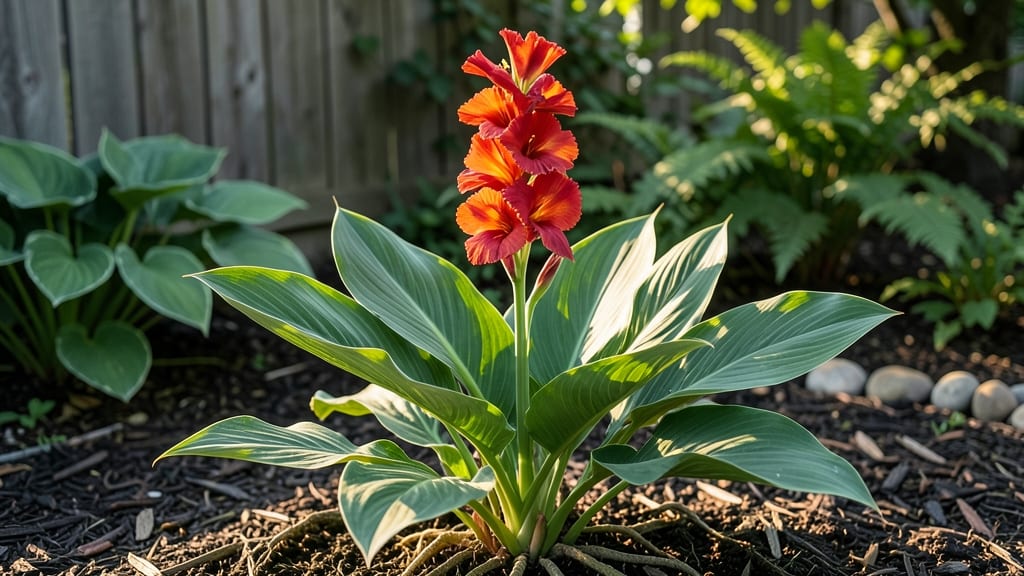
If you're wondering how tall does a canna lily grow, you're about to discover why these tropical beauties can transform your garden into a lush paradise—whether you want towering statement plants or compact statement-makers.
Canna lilies 🌺 can shoot up to 7 feet in ideal conditions, but some dwarf varieties stay as short as 2 feet, making them perfect for containers or borders. The difference?
Variety, sunlight, and a little extra care. I’ll show you how to coax the right height from your plants, whether you’re dreaming of a dramatic backdrop or a neat, manageable size.
What if I told you the secret to controlling their growth lies in simple tricks like pruning, soil prep, and strategic planting? You’ll learn which varieties thrive in your space, how to maximize their height (or keep them in check), and where to place them for the best impact.
Ready to turn your garden into a showstopper? Let’s dive into the heights, care tips, and design ideas that will have your canna lilies reaching for the sky—or staying just where you want them.


Canna lily height by variety: from compact to towering giants
Canna lilies are nature’s showstoppers, offering dramatic heights that range from compact clumps to towering tropical giants. Their mature size depends entirely on the variety you choose, with some reaching 7 feet tall while others stay under 3 feet.
Knowing these differences helps you plan your garden layout—whether you want them as focal points or border accents. Let’s dive into the most popular varieties and their stunning heights.
The tallest canna lilies often belong to the standard varieties, like 'Durban' or 'Tropical Sun,' which can soar to 6–7 feet with proper care. These giants thrive in sun-drenched spots and make bold statements in tropical-themed gardens.
On the other hand, dwarf varieties like 'Pretoria' or 'Lucy' max out at 2–3 feet, perfect for containers or small spaces. Even their leaf sizes vary—some have broad, banana-like foliage, while others sport narrow, grassy leaves.
Spacing is key when planting canna lilies. For tall varieties, give them 3–4 feet of space between plants to avoid crowding and competition. Dwarf types, however, can cluster closely (1–2 feet apart) for a lush, dense look. If you’re planting near a fence or wall, tall cannas will climb and spill beautifully, while shorter varieties work well in hanging baskets or raised beds.
Here’s a quick height comparison to help you visualize:
| Variety | Mature Height | Growth Habit | Best For |
|---|---|---|---|
| 'Durban' | 6–7 ft | Tall, upright | Focal points, screening |
| 'Tropical Sun' | 5–6 ft | Bushy, sturdy | Borders, containers |
| 'Pretoria' | 2–3 ft | Compact, clumping | Small gardens, pots |
| 'Lucy' | 3–4 ft | Semi-dwarf, spreading | Mixed borders, edges |
| 'Striped' | 4–5 ft | Medium, upright | Vertical gardens, trellises |
Color also plays a role in height perception. Dark foliage varieties, like 'Black Knight,' can appear taller and more imposing due to their dramatic contrast, while bright yellow or orange cannas (like 'Cleopatra') add warmth and height to sunny beds.
If you’re growing cannas in containers, choose dwarf or semi-dwarf types to avoid top-heavy flopping. A 5-gallon pot works well for 3–4 foot varieties, while tall types need larger containers (15+ gallons) for stability.
One of my favorite tricks for maximizing height is planting cannas near tall grasses or bamboo. The vertical layers create a tropical oasis effect, especially in USDA zones 8–11.
In cooler climates (zones 6–7), dig up rhizomes before frost and overwinter indoors—their height won’t shrink if stored properly in dry peat moss. Just remember: taller cannas need staking in windy areas to prevent leaning or breaking.
For small-space gardeners, consider canna lily hybrids like 'Australia' or 'Superba,' which stay under 4 feet but still burst with color. These are perfect for patios or balconies where height is limited.
Pair them with low-growing companions like coleus or impatiens to create height contrast without overwhelming your space. The key is to match their growth habits to your garden’s vertical real estate.
If you’re new to canna lilies, start with a mix of heights to see what works best in your garden
How to maximize (or control) canna lily height with care
Canna lilies thrive when given the right conditions, and their height potential can swing dramatically based on simple care tweaks. For taller growth, focus on sunlight exposure, nutrient-rich soil, and consistent moisture.
These tropical beauties love heat and can shoot up 3–5 feet in a single season when happy—but neglect them, and you’ll end up with stunted, leggy stems that flop over like overgrown weeds.
Start with well-draining, fertile soil mixed with compost. Canna lilies are heavy feeders, so add a balanced fertilizer (10-10-10) every 4–6 weeks during their growing season (spring to early fall).
This boosts their foliage and flower production, encouraging those towering stems to reach their full 5–7-foot potential. Skip the fertilizer in winter—they’re dormant!
Here’s the secret to controlling height if you prefer a compact canna lily: prune! Cut back overgrown stems in early summer to redirect energy into bushier growth.
For container gardening, choose dwarf varieties like 'Pretoria' (2–3 feet) and use smaller pots with limited root space to naturally stunt their growth.
⚠️ Common Mistakes That Stunt Growth
- ❌ Underwatering: Leads to weak stems and smaller leaves.
- ❌ Shady spots: Canna lilies need full sun—less light = leggy, floppy growth.
- ❌ Overcrowding: Competes for nutrients, limiting height and flower production.
- ❌ Cold soil: Plant too early, and rhizomes rot before growing.
Fix it: Water deeply weekly, stake tall varieties, thin plants, and wait until soil is 60°F+ to plant.
If your canna lilies are flopping over, don’t panic! Use bamboo stakes or cages to support their heavy foliage. For vertical gardens, train stems along trellises or fences—this also encourages upward growth instead of sprawling.
Just avoid tying too tightly; canna stems are brittle when young and can snap.
Pro tip: Divide rhizomes every 2–3 years to rejuvenate growth. Overcrowded clumps produce smaller, weaker plants with reduced height. Dig up the thick, knobby roots in early spring, separate them, and replant for bigger, healthier cannas next season.
With the right care, your canna lilies can become the showstopper focal point of your garden—or stay neatly contained in pots. Experiment with sunlight, pruning, and fertilizing to tailor their height to your space!
Whether you want a jungle-like backdrop or a compact container plant, these tips give you control.