
Flowers
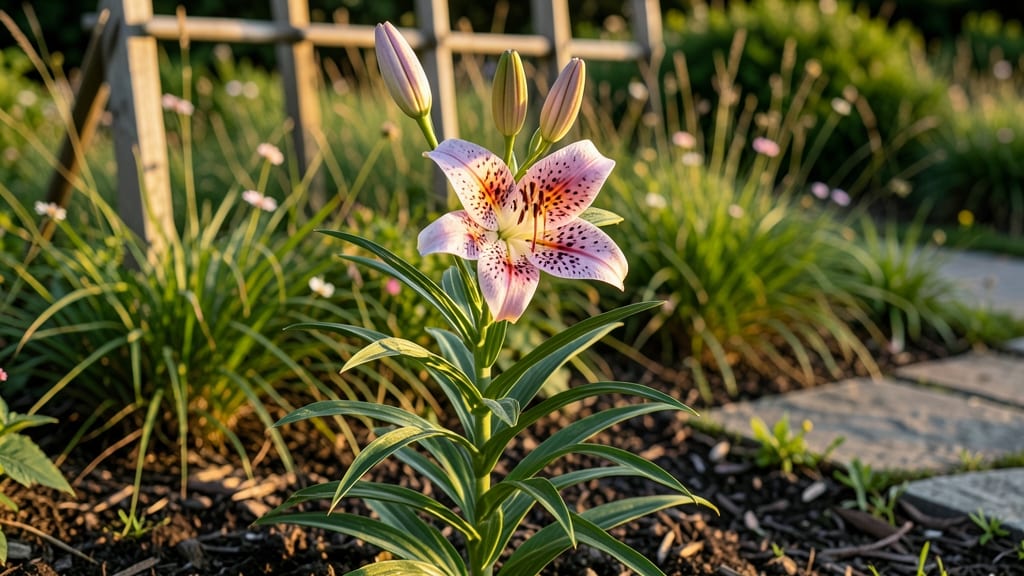
If you're planning your garden layout and wondering how tall do lily plants grow, the answer might surprise you—these elegant blooms can range from compact 1-foot dwarfs to towering 6-foot giants, depending on the variety.
Whether you're working with limited space or dreaming of dramatic floral displays, knowing the exact height potential of each type is the key to creating a balanced, thriving garden.
Lilies like the Oriental and Trumpet varieties often reach their full height by mid-summer, while Asiatic lilies tend to stay shorter but pack a punch with vibrant colors.
The good news? With proper spacing and support, even the tallest lilies can be managed without taking over your garden or requiring constant staking.
In this guide, I'll break down the height ranges for popular lily varieties, explain when and why to stake them, and share practical tips for maximizing space—whether you're growing in containers or a traditional garden bed.
You'll learn how to choose the perfect lilies for your space and keep them looking their best from bloom to harvest.
From dwarf lilies that fit neatly in small pots to towering varieties that make a statement in the backyard, understanding their growth habits is the first step to creating a stunning, low-maintenance display. Let's get started!


Lily plant height by variety: exact growth ranges for popular species
Lilies aren’t one-size-fits-all when it comes to height—some varieties stay compact enough for window boxes, while others reach towering heights that demand garden planning. The species and cultivar determine whether you’ll need a 6-foot trellis or can tuck them into a container garden.
Below, I’ve broken down the exact height ranges for 12+ popular lily types, so you can match your space and vision to the perfect variety.
First, let’s clarify the three height categories most lilies fall into: dwarf (1–2 ft), medium (2–4 ft), and tall (4–6+ ft). Dwarf lilies like Martagon lilies thrive in small gardens or containers, while Oriental lilies can dwarf even the tallest gardeners.
Knowing these ranges helps you avoid crowding or underutilized space.
Now, let’s dive into the specifics. The summary table below compares 12 common lily varieties, including their mature height, growth habits, and ideal uses. For example, Asiatic lilies often hit 3–4 feet and bloom early, while Trumpet lilies can soar to 5–6 feet with fragrant, dramatic blooms.
Each variety’s height directly impacts how you’ll space, stake, and support them.
| Variety | Mature Height | Growth Habit | Best For | ||||||||||||||||
|---|---|---|---|---|---|---|---|---|---|---|---|---|---|---|---|---|---|---|---|
| Dwarf Martagon Lily | 1–2 ft | Bushy, upright | Containers, borders | ||||||||||||||||
| Asiatic Lily | 3–4 ft | Straight stems | Cut flowers, borders | ||||||||||||||||
| Oriental Lily | 4–6 ft | Top-heavy, fragrant | Back of borders, staking | ||||||||||||||||
| Trumpet Lily (Daylily) | 5–6 ft | Bold, sturdy | Perennial gardens, trellises | ||||||||||||||||
| Candida Lily | 2–3 ft | Compact, clustered | Rock gardens, containers | ||||||||||||||||
| Stargazer Lily | 4–5 ft | Heavy blooms | Cutting gardens, staking | ||||||||||||||||
| Tiger Lily | 3–4 ft | Spotted, upright | Wildflower meadows | ||||||||||||||||
| Peruvian Lily | 5–7 ft | Tallest variety | Backdrop planting | ||||||||||||||||
| Wood Lily | 1–2 ft | Clumping | Native gardens | ||||||||||||||||
| Call Lily | 3–4 ft | <
| Variety | Height Range | Best For |
|---|---|---|
| Dwarf Asiatic Lilies | 1–2 ft | Containers, borders |
| Standard Asiatic Lilies | 2–4 ft | Cut flowers, beds |
| Oriental Lilies | 4–6 ft | Backdrop, staking |
| Trumpet Lilies | 3–5 ft | Woodland gardens |
| Daylilies (Hemerocallis) | 1–5 ft | Perennial borders |
If you’re growing lilies in containers, stick to dwarf varieties like ‘Little Champion’ Asiatic lilies (1–2 feet) or ‘Stella de Oro’ daylilies (1.5 feet). These stay manageable in 5–7 gallon pots with proper drainage.
For in-ground planting, space taller varieties like Oriental lilies at least 12–18 inches apart to prevent crowding and improve airflow, which reduces disease risk.
One common mistake is assuming all lilies grow the same height. For instance, ‘Casa Blanca’ Oriental lilies can reach 5–6 feet, while ‘Black Out’ Asiatic lilies max out at 3 feet.
Always check the plant tag or catalog description for mature height—this saves you from planting a giant lily in a small pot or a dwarf variety where it’ll get lost in the garden.
Height isn’t just about aesthetics—it also affects bloom visibility. Taller lilies like ‘Siberian Sun’ (4–5 feet) make stunning focal points, while shorter varieties like ‘Lollypop’ (2 feet) work well in rock gardens or window boxes.
Pairing lilies of different heights creates natural layers in your garden design, adding depth and visual interest.
Pro tip: If you love the look of tall lilies but lack space, consider espalier training or trellis support. Varieties like ‘Connecticut King’ (5–6 feet) can be trained vertically along a fence or wall, freeing up ground space for other plants.
Just ensure your support structure is buried 6–12 inches deep to anchor it securely against wind.