
How To
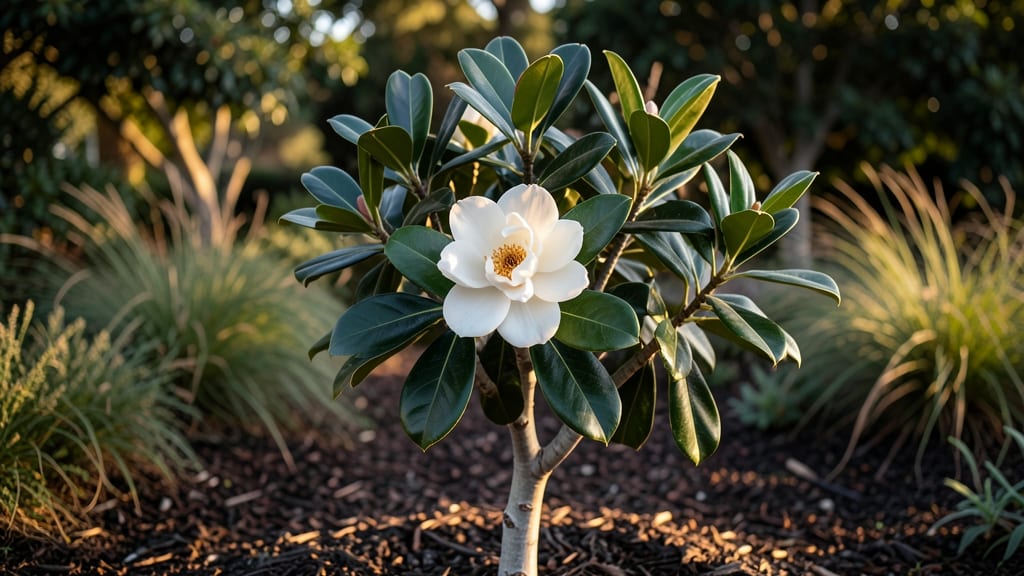
If you're wondering how tall do Little Gem magnolias grow, you're not alone—this compact beauty is a favorite for small yards, but its mature size can still surprise first-time gardeners.
The Little Gem Magnolia 🌸 typically reaches 15–25 feet at maturity, making it a mid-sized tree that fits perfectly between dwarf varieties and towering giants.
What sets this magnolia apart is its narrow growth habit, with a spread of just 12–15 feet, so it won’t overwhelm your landscape like larger magnolias.
Whether you're planning a foundation planting or a statement centerpiece, understanding its growth patterns helps you space it just right for years of fragrant blooms.
But here’s the kicker: with proper pruning and site conditions, you can even encourage a slightly more compact form. I’ll show you how to manage its height naturally—so you get the stunning Little Gem Magnolia look without sacrificing your garden’s layout.
Ready to transform your outdoor space? Let’s break down everything you need to know about this versatile tree’s growth, from early years to full maturity.


Little Gem magnolia mature height: exact growth ranges by variety and age
The Little Gem magnolia (Magnolia grandiflora 'Little Gem') is a compact powerhouse that delivers glossy evergreen foliage and fragrant white blooms year-round—without taking over your yard.
Unlike its towering cousins, this dwarf magnolia variety tops out at a manageable 15–25 feet tall, making it ideal for small gardens, urban landscapes, and foundation plantings.
But here’s the catch: its growth rate varies dramatically by age, soil quality, and care. In its first decade, you’ll see rapid vertical growth, while mature trees slow to a crawl—adding just 6–12 inches per year after 10 years.
Understanding these stages helps you plan spacing, pruning, and even container gardening (yes, it works!).
🌱
For urban gardeners or those with limited space, the 15–20 foot range is ideal—especially if you prune annually to shape it. I’ve seen Little Gems in large containers (24+ inch pots) reach 10–15 feet over 10 years, proving they’re far more adaptable than traditional magnolias.
Pro tip: If you plant two Little Gems 10–12 feet apart, their canopies will eventually merge, creating a stunning living privacy screen without the bulk of a hedge. Just ensure they get well-draining, acidic soil (pH 5.0–6.5) to prevent root rot, which can stunt growth.
🪴
One common misconception is that Little Gems stay small forever. In reality, their growth slows dramatically after 10 years, but they’ll still add 1–2 feet per decade if conditions are perfect. For container-grown trees, root pruning every 2–3 years keeps them 30–50% shorter than their in-ground counterparts.
For example, a Little Gem in a 24-inch pot might max out at 12–15 feet over 20 years, while one planted in the ground could hit 22–25 feet. The trade-off? Potted trees need annual root pruning and larger containers to avoid stress.
✂️
If you’re wondering whether to plant a Little Gem near your patio or driveway, aim for 12–15 feet of clearance at maturity. I once installed one 8 feet from a sidewalk—a mistake.
By year 10, its branches overhung the path, requiring aggressive pruning twice a year. Always err on the side of extra space; these trees live for decades.
Finally, Little Gem magnolias are self-cleaning—their branches shed rainwater efficiently, so they’re far less messy than oaks or pines. This makes them a low-maintenance choice for foundation plantings or street-side landscaping, where height control is critical.
🌳
Little Gem magnolia mature height: exact growth ranges by variety and age
The Little Gem magnolia (Magnolia grandiflora 'Little Gem') is a compact powerhouse, offering all the beauty of a full-sized magnolia in a more manageable package.
On average, this stunning tree reaches a mature height of 15–25 feet—significantly smaller than its standard Southern magnolia relatives, which can tower up to 80 feet. Its narrow, upright growth habit makes it ideal for tight spaces, but knowing its growth stages helps you plan accordingly.
In its first year, your Little Gem magnolia will typically grow 3–5 feet tall, establishing a strong root system. By year three, it may already reach 10–15 feet, with rapid growth spurts during spring and summer.
Most gardeners see the most dramatic height increases between years 5 and 10, where it can add 5–10 feet per decade under ideal conditions.
🌱 Little Gem Magnolia Growth Timeline
| Age | Height Range | Spread | Growth Rate |
|---|---|---|---|
| Year 1 | 3–5 ft | 2–3 ft | Slow |
| Year 3 | 10–15 ft | 6–8 ft | Moderate |
| Year 5 | 15–20 ft | 10–12 ft | Rapid |
| Mature (10+ years) | 15–25 ft | 12–15 ft | Slow |
Note: Growth rates vary by climate, soil quality, and care. Pruning can further shape height and spread.
While the Little Gem magnolia is considered a compact variety, its final height still depends on growing conditions. In USDA zones 7–10, where it thrives, you’ll see the most consistent growth. However, in cooler zones (like 6b), it may grow slightly slower, reaching 15–20 feet at maturity.
Always plant with 10–15 feet of clearance above and around it to accommodate its mature spread of 12–15 feet.
If you’re working with limited space, consider pruning strategies to control height. Light annual pruning in late winter can encourage a more bushy, compact form while maintaining its stunning spring blooms.
Avoid heavy pruning, as this can reduce flowering potential. For best results, plant your Little Gem magnolia where it has room to grow naturally—its elegant form is part of its charm!
One common misconception is that Little Gem magnolias stay small forever. While they are naturally slower-growing than standard magnolias, they will still reach their full height over time.
If you’re unsure whether your space can accommodate it, opt for a container-grown specimen (though they’re not ideal long-term) or pair it with shorter shrubs to create a layered look.
For those in urban gardens or small yards, the Little Gem is a game-changer. Its narrow profile and fragrant white blooms make it a standout, even in tight spaces.
Just remember: patience is key—it takes about 5–10 years to reach its full height, but the wait is worth it for those show-stopping spring displays.