
How To
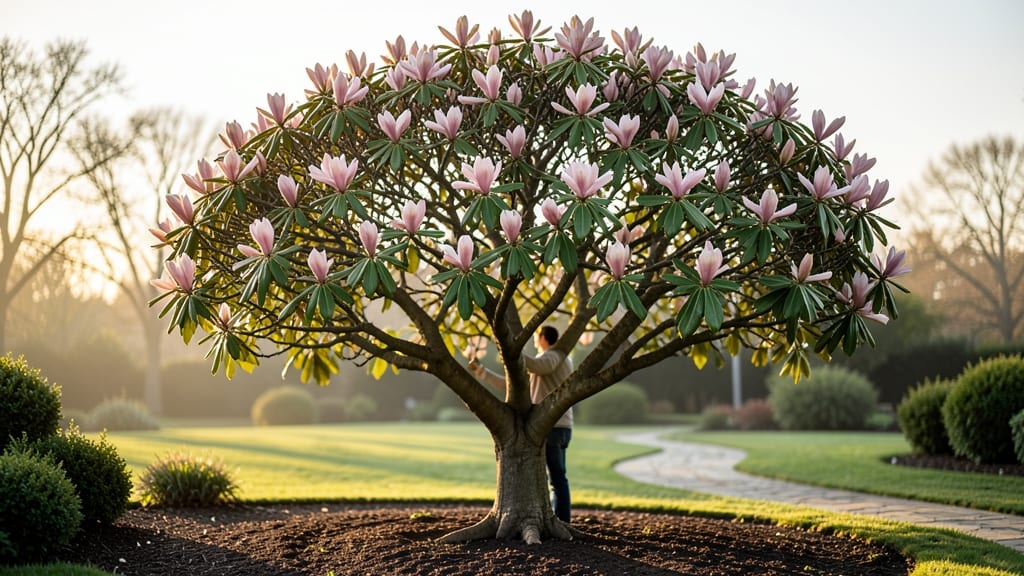
Magnolia height guide: fastest-growing varieties and their mature sizes
Magnolias are nature’s grand statement pieces, but their mature heights can leave gardeners stunned—literally. Some varieties grow into 100-foot-tall giants, while others stay compact enough for small yards. The key? Species selection and understanding each variety’s growth habits.
I’ve grown Southern Magnolias and star magnolias in my garden, and the difference in their height trajectories is night and day.
Your magnolia’s final height depends on its genetic potential, but factors like climate, soil quality, and pruning practices can nudge it taller or shorter. For example, a Saucer Magnolia in a nutrient-rich Southern climate might hit 30 feet faster than one in a cooler Northern zone.
Let’s break down the fastest-growing varieties and their expected mature heights so you can plan your garden layout with precision.
Here’s a quick snapshot of the height spectrum you’ll encounter in magnolias, from towering giants to petite shrubs:
| Variety | Mature Height (ft) | Growth Rate (ft/year) | Best For |
|---|---|---|---|
| Southern Magnolia (Magnolia grandiflora) | 60–80+ ft | 1–2 ft | Large estates, privacy screens |
| Kadota Hybrid (M. × kadotae) | 30–40 ft | 1.5–2.5 ft | Urban landscapes, specimen trees |
| Saucer Magnolia (Magnolia × soulangeana) | 20–30 ft | 1–1.5 ft | Medium yards, foundation planting |
| Star Magnolia (Magnolia stellata) | 15–25 ft | 0.5–1 ft | Small gardens, container growing |
| Little Gem (Magnolia grandiflora 'Little Gem') | 6–12 ft | 0.3–0.5 ft | Small yards, urban gardens |
| Black Tulip (Magnolia liliiflora 'Nigra') | 10–15 ft | 0.4–0.6 ft | Bonsai-style gardens, patios |
| Teddy Bear (Magnolia 'Teddy Bear') | 8–12 ft | 0.3–0.5 ft | Foundation planting, mixed borders |
The Southern Magnolia (Magnolia grandiflora) is the undisputed king of height, often reaching 80 feet or more in ideal conditions. I’ve seen them tower over three-story buildings in the Deep South, casting shade that rivals a redwood.
If you’re planting one, give it space now—these trees hate being crowded and resent pruning to control height.
On the opposite end, dwarf varieties like 'Little Gem' and 'Black Tulip' are perfect for gardeners with limited space. These stay under 12 feet and grow at a snail’s pace—ideal if you want low-maintenance blooms without the commitment of a giant tree.
My 'Teddy Bear' magnolia has been in the ground for 5 years and is only 6 feet tall
How to estimate your magnolia’s growth rate and final height
Predicting how tall your magnolia will grow isn’t just about guessing—it’s about understanding its growth habits, climate conditions, and how you care for it.
Most magnolias grow 1-2 feet per year in ideal settings, but factors like soil quality, sunlight exposure, and pruning practices can speed up or slow down their ascent.
For example, a Southern Magnolia in rich, moist soil might hit 80+ feet in 30 years, while a dwarf variety like 'Black Tulip' stays under 10 feet even after decades.
Your magnolia’s final height also depends on where you live. In warmer climates like USDA Zones 7-10, magnolias grow faster and reach their mature height sooner than in cooler Zones 5-6.
For instance, a Saucer Magnolia in Florida might bloom at 15 feet in 10 years, while the same variety in Zone 5 could take 15 years to reach 12 feet. Always check your local frost dates—late frosts can stunt early growth.
- 🌡️ Climate: Warmer zones = faster growth; cooler zones = slower growth.
- 💧 Watering: Deep, consistent watering speeds up early growth by 20-30%.
- ☀️ Sunlight: 6+ hours of sun maximizes growth; full shade stunts height.
- 🌱 Soil: Well-draining, slightly acidic soil (pH 5.0-6.5) supports faster growth.
- ✂️ Pruning: Minimal pruning (only to shape) lets magnolias grow taller naturally.
- 🌿 Variety: Dwarf magnolias grow 3x slower than standard varieties.
Spacing your magnolia correctly from day one is critical to avoiding future crowding. A Southern Magnolia needs 30-40 feet of clearance from structures and other plants, while a star magnolia only requires 15-20 feet.
Think of it like planting a skyscraper—you wouldn’t put a tiny sapling right next to your patio! Measure your space before buying, and consider dwarf varieties if you’re working with limited room.
For example, the 'Little Gem' magnolia stays under 20 feet tall and wide, making it perfect for suburban yards.
Pruning can also influence height, but magnolias hate aggressive pruning. Over-pruning weakens the tree and can reduce flowering. If you must prune, do it right after blooming (late spring) and only remove dead or crossing branches.
Never cut into old wood—magnolias struggle to heal from deep cuts. For height control, focus on selective pruning of lower branches to encourage upward growth without stunting the tree.
Monitor your magnolia’s growth rate annually by marking its height on a nearby stake or using a measuring tape. If it’s growing slower than expected, check for nutrient deficiencies (yellow leaves = nitrogen deficiency) or poor drainage (root rot = soggy soil).
Amend the soil with compost or organic matter to boost growth, and consider a balanced fertilizer in early spring. With the right care, your magnolia could outpace even the fastest-growing varieties!
Remember, magnolias are long-term investments. A 10-foot sapling today might become a 50-foot shade tree in 20 years—so plan accordingly! Whether you’re dreaming of a grand entrance tree or a compact patio centerpiece, knowing these growth factors ensures your magnolia thrives for decades to come. 🌳