
Plants
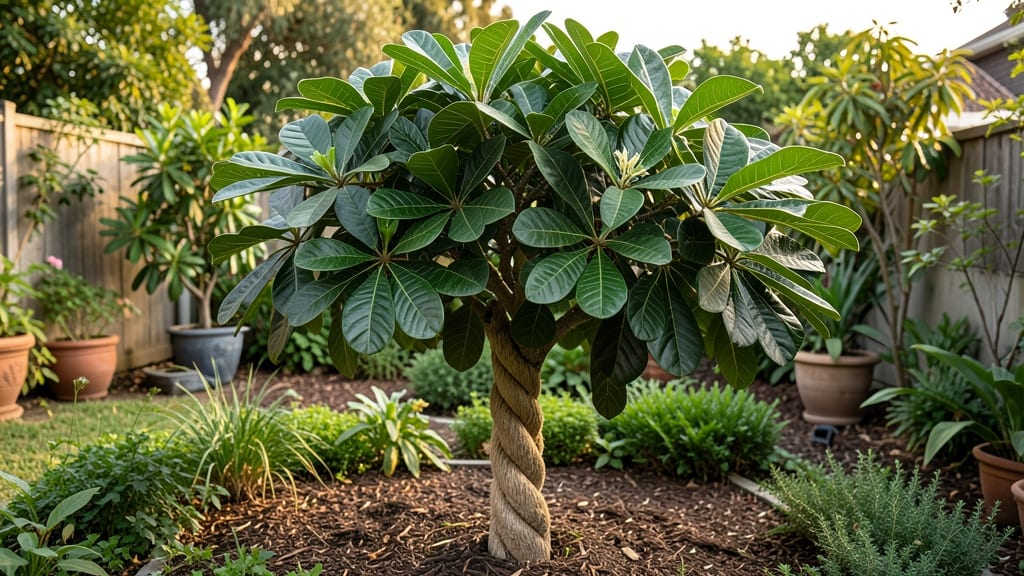
If you’ve ever wondered how tall money tree plants grow before they stretch toward the ceiling or stay as a charming tabletop plant, the answer depends on one key factor: its variety.
Some varieties grow tall enough to rival your dining room furniture, while others remain compact enough for a desk—without any special tricks.
Under standard indoor conditions, most money trees reach between 6 to 10 feet at maturity, but dwarf varieties can stay as short as 3 feet with the right care.
The difference comes down to genetics, light exposure, and how you prune it—so even a "tall" variety can stay small if managed correctly.
What’s surprising is how quickly these plants grow. In just 2 years, your money tree could go from a tiny sapling to a 5-foot statement piece, assuming it gets enough bright, indirect light.
But if you’re aiming for a compact look, pruning at the right time can keep it from outgrowing its space.
Let’s break down exactly how tall different money tree varieties get, what controls their growth, and how you can train yours to stay at your ideal height—whether that’s floor-level or coffee-table perfect.


Money tree height by variety: from dwarf to towering giants
Your money tree's final height isn't just luck—it's all about the variety you choose. Some stay compact enough for a desk, while others reach ceiling heights. Let's break down the most popular types and their growth expectations so you can pick the perfect fit for your space.
First, the Braided Money Tree (the classic with twisted trunks) typically grows 6-10 feet tall indoors with proper care, though it can reach 15 feet outdoors in tropical climates. Its growth rate is about 12-18 inches per year under ideal conditions.
For smaller spaces, the Dwarf Money Tree variety is your best bet. These stay between 3-5 feet tall and grow just 6-12 inches per year. They're perfect for apartments or offices where vertical space is limited.
The Standard Money Tree (non-braided) follows similar growth patterns to the braided version but may grow slightly faster—expect 8-12 feet indoors if unpruned. Its wider canopy makes it a statement piece in larger rooms.
Now here's where it gets interesting: pruning dramatically affects height. Regular trimming can keep even standard varieties under 5 feet tall permanently. I've seen money trees maintained at 3 feet through consistent pruning—it's all about timing and technique.
Outdoor money trees in USDA Zone 11+ can become small trees, reaching 15-20 feet tall with multiple trunks. But indoors, even these giants can be controlled with proper care.
Here's the key takeaway: variety + care = height. A braided money tree left unpruned will grow tall, but with strategic trimming, it can stay small forever. Let's look at the exact numbers so you can plan your plant's future.
Looking at these numbers, you can see why space planning matters before bringing home a money tree. That Bonsai Money Tree might seem cute now, but even it needs 5+ years to mature—patience is key!
One common mistake I see is assuming all money trees grow the same. A Mini Money Tree will never reach ceiling height, but a Standard Money Tree left unpruned will. The good news? With proper pruning techniques, you can adjust any variety's height to fit your space.
For example, I've kept my 10-foot-tall Braided Money Tree at exactly 5 feet for years by pruning the top growth annually. The secret is timing—do it in spring when new growth starts, and you'll encourage bushier, more controlled growth.
Remember: height isn't set in stone
What controls money tree growth height? 3 Critical factors
Your money tree’s height isn’t just luck—it’s a mix of light exposure, pot size, and pruning habits. Let’s break down the three biggest factors that determine whether your Pachira aquatica grows into a towering statement plant or stays a manageable desk companion.
Understanding these will help you steer its growth in the right direction.
First, light exposure is the silent growth regulator. Money trees thrive in bright, indirect light, which fuels steady upward growth. Place yours near an east-facing window for ideal conditions—too little light slows growth, while harsh direct sun can scorch leaves and stunt height.
I’ve seen money trees in dim corners grow just 1-2 feet in a year, while those basking in filtered sunlight can shoot up 3-5 feet annually.
Next, pot size directly limits root expansion, which in turn caps height. Money trees are root-bound by nature, and when roots circle the pot, growth slows dramatically. A smaller pot (10-12 inches) will keep your plant compact, while a large container (16+ inches) encourages taller, leggier growth.
Pro tip: If you want a shorter tree, repot into a slightly smaller pot every 2-3 years to rein in vertical expansion.
Finally, pruning is your secret weapon for controlling height. Strategic trimming doesn’t just shape your plant—it redirects energy to bushier growth. Prune just above a leaf node in late spring or early summer to encourage branching.
I’ve kept my braided money tree at a manageable 3-4 feet for years by trimming the top growth back by one-third annually. Without pruning, the same plant can easily reach 8+ feet indoors.
🌱 3 Key Factors Controlling Money Tree Height
- 💡 Light Exposure: Bright indirect light = faster growth (up to 3-5 ft/year); low light = stunted growth (1-2 ft/year).
- 🪴 Pot Size: Smaller pots (10-12 inches) = compact growth; larger pots (16+ inches) = taller, leggier plants.
- ✂️ Pruning: Trim 1/3 of top growth annually to encourage bushiness; prune in late spring/early summer for best results.
💡 Pro Tip: Combine all three factors for precise height control—place in bright light, use a medium pot, and prune regularly.
Don’t forget that seasonal changes also play a role. Money trees grow fastest in spring and summer when days are long and light is abundant. In fall and winter, growth slows naturally, so avoid heavy pruning during these months—it can stress the plant and lead to leggy regrowth.
Instead, focus on light adjustments and watering consistency to maintain steady (if slower) growth.
If you’ve ever wondered why your money tree suddenly shot up or stopped growing, check these three factors first. With the right balance, you can keep your Pachira aquatica at any height—whether you want a desk-sized companion or a room-filling centerpiece.
The key is consistency in care, not guesswork.
Now that you know what controls height, let’s tackle the next big question: Can you keep a money tree short permanently? The answer lies in pruning techniques and training methods—and I’ll share my top strategies in the next section. Stay tuned!