
How To
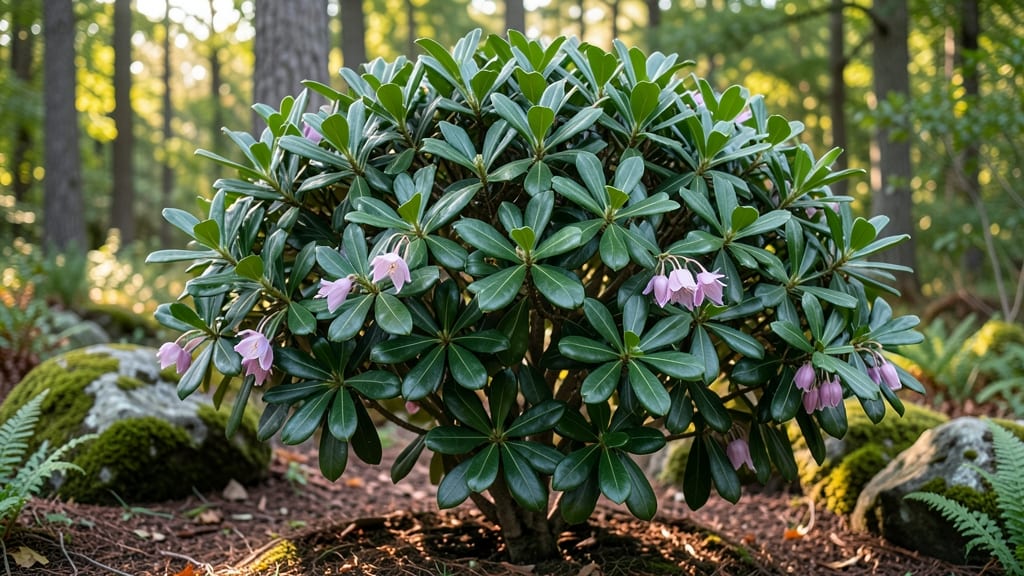
If you're wondering how tall do mountain laurels grow, the answer might surprise you—these fragrant, evergreen shrubs can reach towering heights of 10 to 15 feet in ideal conditions, but their size is far from set in stone.
Mountain laurels (🌸 Kalmia latifolia) are stunning landscape stars, especially in USDA Zone 6a and beyond, where they thrive in early spring or fall plantings. Their natural height depends on factors like sunlight, soil quality, and pruning habits, meaning you can shape them to fit your garden perfectly.
Whether you're dreaming of a lush hedge or a single specimen plant, understanding their growth patterns is key. I’ll break down how these shrubs mature over 5 to 10 years, which dwarf varieties stay compact, and how to prune for the exact look you want.
Ready to transform your garden with mountain laurels? Let’s dive into the secrets of controlling their height while keeping those show-stopping blooms coming back year after year.


Mountain laurel height guide: natural growth range and factors affecting size
Mountain laurels (Kalmia latifolia) are stunning evergreen shrubs known for their fragrant blooms and glossy foliage. But how tall do they grow? The answer varies widely—from 3 feet in dwarf varieties to 15 feet in standard specimens.
Understanding their natural growth patterns helps you plan your garden layout and manage their size effectively.
In ideal conditions, mountain laurels typically reach 6 to 15 feet tall at maturity, depending on the cultivar. Dwarf varieties like 'Elf' stay between 3 and 6 feet, while standard types like 'Nova' can tower up to 12 feet.
Their growth rate is slow to moderate, taking 5 to 10 years to reach full size, which makes them a long-term investment for your landscape.
Several factors influence how tall your mountain laurel will grow. Sunlight exposure plays a key role—too much direct sun can stunt growth, while partial shade encourages healthier, bushier plants. Soil quality, particularly drainage and acidity, also affects their height.
Well-draining, acidic soil (pH 4.5 to 6.0) promotes optimal growth, while poor soil can lead to leggy or stunted plants.
Climate is another critical factor. In cooler, northern regions like USDA Zones 4-6, mountain laurels tend to grow taller due to slower metabolic rates.
In warmer, southern zones (e.g., Zone 7 and above), they may stay shorter unless given extra care. Watering habits also matter—consistent moisture in early years encourages stronger root development, which supports taller growth later.
| Cultivar Type | Mature Height Range | Growth Rate | Ideal Climate |
|---|---|---|---|
| Dwarf Varieties (e.g., 'Elf') | 3–6 feet | Slow (1–2 ft/year) | Zones 4–8 |
| Semi-Dwarf (e.g., 'Compacta') | 6–10 feet | Moderate (2–3 ft/year) | Zones 5–7 |
| Standard (e.g., 'Nova') | 10–15 feet | Moderate (3–4 ft/year) | Zones 4–6 |
Note: Height can vary based on pruning, soil, and sunlight.
If you're planning to use mountain laurels as hedges or privacy screens, opt for dwarf or semi-dwarf varieties. These stay manageable while still providing the fragrant blooms and lush foliage you love.
For specimen planting, standard varieties create a stunning focal point in your garden, especially when paired with acid-loving companions like azaleas or rhododendrons.
To encourage healthy growth, plant mountain laurels in well-amended soil with a 2–3 inch layer of mulch to retain moisture and regulate temperature. Avoid over-fertilizing, as this can lead to excessive leafy growth at the expense of flowers.
Instead, focus on balanced care—pruning after blooming and providing consistent water during dry spells.
One common misconception is that mountain laurels grow quickly. In reality, their slow growth is part of their charm—they develop a strong, woody structure over time. Patience pays off with long-lasting blooms and disease resistance.
If you notice your plant growing too tall or leggy, don’t panic—pruning in late summer or early fall can help shape it without harming next year’s flowers.
For gardeners in urban or small-space settings, consider container-growing dwarf varieties. With proper care, they thrive in pots and can be moved to enjoy their fragrance on patios or decks. Just ensure the container has drainage holes and acidic potting mix to mimic their natural soil preferences.
In summary, mountain laurels offer flexibility in height and form, making them versatile for any garden. By choosing the right cultivar and providing the ideal growing conditions, you can enjoy their beauty without worrying about unmanageable size.
Whether you want a compact hedge or a towering specimen, these shrubs deliver year-round interest with minimal fuss.
Mountain laurel height guide: natural growth range and factors affecting size
Mountain laurels (Kalmia latifolia) are stunning evergreen shrubs known for their fragrant blooms and glossy foliage. But if you're planning your garden layout, knowing their mature height range is key.
On average, these shrubs reach 6 to 15 feet tall at maturity, though their size can vary based on growing conditions and cultivars. Understanding these factors will help you choose the perfect spot and maintain their shape without stunting their growth.
The natural growth rate of mountain laurels is relatively slow, taking about 5 to 10 years to reach their full height. In their first year, you can expect them to grow just 1 to 2 feet, while established plants may add 6 to 12 inches annually.
This gradual growth makes them ideal for long-term landscaping projects where patience pays off with striking, fragrant blooms.
| Growth Stage | Height Range | Time to Reach |
|---|---|---|
| Year 1 | 1–2 ft | First year |
| Year 3 | 5–7 ft | 3 years |
| Mature (Standard) | 10–15 ft | 5–10 years |
| Dwarf Cultivars | 3–6 ft | 5–8 years |
Several factors influence how tall your mountain laurel grows. Sunlight exposure plays a critical role—while they thrive in partial shade, too much direct sun can stress the plant, leading to slower growth or even stunted height.
Similarly, soil conditions like drainage and acidity (they prefer pH 4.5–6.0) directly impact their vigor. In cooler climates, like USDA Zones 5–8, mountain laurels tend to grow taller and fuller, while hotter regions may see slightly shorter, bushier growth.
If you're aiming for a compact mountain laurel, consider dwarf cultivars like 'Elf' or 'Compacta,' which max out at 3 to 6 feet. These varieties are perfect for smaller gardens or container growing.
For larger landscapes, standard types like 'Owl's Head' can reach 10 to 15 feet, making them ideal as specimen plants or privacy screens. Always check the specific cultivar’s growth habits before planting to avoid surprises.
To encourage optimal growth, focus on well-draining, acidic soil and avoid over-fertilizing, which can lead to leggy, weak stems. Mulching around the base with pine bark or pine needles helps maintain soil acidity and moisture levels, promoting healthier, more controlled growth.
With the right conditions, your mountain laurel will thrive while staying within your desired height parameters.
Whether you're using mountain laurels as a fragrant hedge, a backyard focal point, or a shade-tolerant border, understanding their growth habits ensures your garden stays beautiful and manageable. Plan ahead, and you’ll enjoy their stunning blooms for decades to come!