
How To
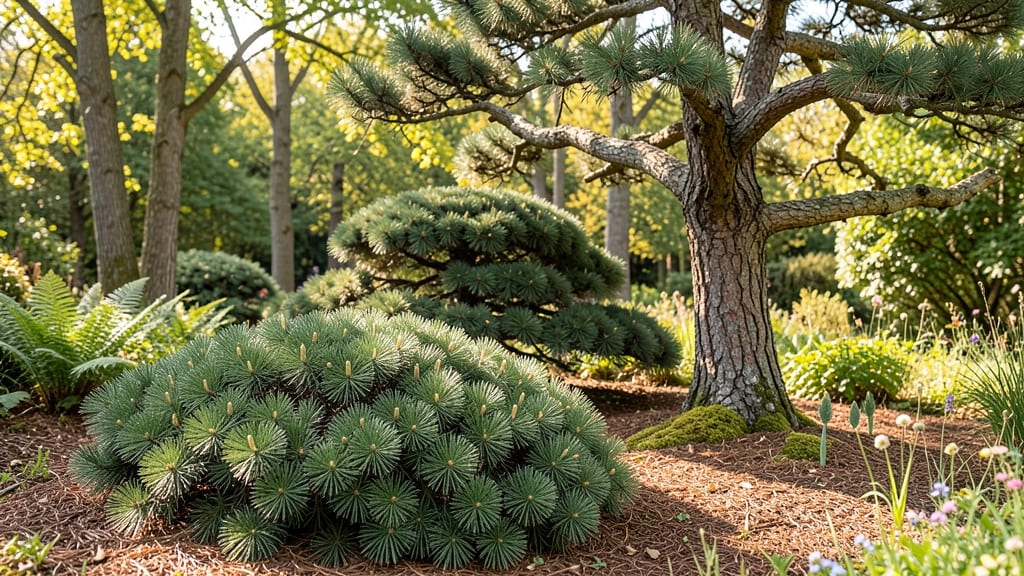
If you're dreaming of a low-maintenance evergreen that stays neatly contained year-round, understanding how tall do mugo pines grow is your first step to landscaping success.
These compact beauties—often called the "perfect little trees"—can range from just 1 foot to a towering 6 feet, depending on the variety and how you care for them.
The key to their manageable size lies in their natural growth patterns and the right growing conditions. Whether you're planning a cozy garden border or a striking focal point, knowing which cultivar fits your space is everything.
Some varieties stay mounded and bushy, while others grow taller but still stay slender—so your choices matter!
Let’s break down the height differences between dwarf, semi-dwarf, and standard mugo pines, plus the simple tricks to keep them at your desired height. You’ll also discover how spacing, pruning, and soil can influence their growth—so you can create the exact look you want without surprises.
Ready to transform your outdoor space with these versatile trees? I’ll walk you through everything you need to know to pick the perfect mugo pine and keep it thriving for years.


Mugo pine height variations by variety: from dwarf to standard sizes
Mugo pines (Pinus mugo) are celebrated for their compact growth and versatile landscaping uses, but their mature height can range from just 1 foot to over 6 feet, depending on the cultivar and growing conditions.
Understanding these variations helps you choose the perfect mugo pine for your space—whether it’s a tiny container garden or a bold hedgerow. The key is selecting the right variety and providing proper spacing and care to encourage their natural growth habits.
Most gardeners plant mugo pines for their low-maintenance nature and year-round greenery, but their height potential is often misunderstood. For example, the dwarf varieties like P. mugo 'Pumilio' stay under 3 feet, while standard types like P. mugo 'Slowmound' can reach 6 feet or taller.
Even within the same cultivar, factors like soil quality, sun exposure, and pruning practices can influence how tall your mugo pine grows over time.
Here’s a quick reference for mugo pine height ranges by popular variety, along with ideal spacing to prevent overcrowding and ensure healthy growth. This comparison will help you visualize how each type fits into your landscape design.
| Variety | Mature Height | Spread | Ideal Spacing | Best For |
|---|---|---|---|---|
| P. mugo 'Pumilio' | 1–3 ft | 2–4 ft | 3–4 ft apart | Containers, rock gardens, borders |
| P. mugo 'Mops' | 2–4 ft | 3–5 ft | 4–5 ft apart | Hedges, foundation plantings |
| P. mugo 'Slowmound' | 3–6 ft | 4–6 ft | 6–8 ft apart | Privacy screens, large landscapes |
| P. mugo 'Hoopsii' | 2–5 ft | 3–6 ft | 5–6 ft apart | Accents, mixed borders |
| P. mugo 'Gnomon' | 1–2 ft | 2–3 ft | 3 ft apart | Miniature gardens, bonsai |
When selecting a mugo pine variety, consider not just height but also spread and growth rate. For instance, P. mugo 'Pumilio' is perfect for containers or rock gardens due to its ultra-compact size, while P. mugo 'Slowmound' thrives as a privacy screen or windbreak in larger yards.
Always check the nursery tag for specific mature size estimates, as some cultivars may grow taller in optimal conditions like full sun and well-draining soil.
If you’re planting multiple mugo pines, follow the spacing guidelines in the table above to avoid crowding, which can lead to stunted growth or disease from poor airflow.
For example, planting P. mugo 'Slowmound' 6 feet apart ensures each tree has room to reach its full potential height without competing for nutrients. In containers, dwarf varieties like 'Pumilio' or 'Gnomon' can thrive in 5-gallon pots with proper drainage and pruning.
Another factor influencing mugo pine height is climate. In warmer USDA zones (7–9), these pines may grow slightly taller due to longer growing seasons, while in cooler zones (3–6), their growth may be slower but more compact.
Always choose a cultivar suited to your zone—for example, P. mugo 'Hoopsii' is hard
Mugo pine height variations by variety: from dwarf to standard sizes
Mugo pines (Pinus mugo) offer a stunning range of compact sizes, making them ideal for small spaces. Their mature height typically spans 1 to 6 feet, depending on the cultivar.
Understanding these variations helps you choose the perfect fit for your landscape design—whether you need a low hedge or a statement shrub.
The dwarf varieties, like 'Slowmound' or 'Pumilio,' stay under 3 feet tall, while standard types like 'Mops' can reach 5–6 feet. Even within the same variety, growth can differ based on soil quality, sun exposure, and pruning habits.
For example, a 'Mops' pine in full sun with regular pruning may stay shorter than one grown in partial shade.
| Variety | Mature Height | Spread | Ideal Spacing | Best For |
|---|---|---|---|---|
| 'Pumilio' | 1–3 ft | 2–4 ft | 3–4 ft apart | Rock gardens, containers |
| 'Slowmound' | 2–3 ft | 3–5 ft | 4–5 ft apart | Foundation planting, borders |
| 'Mops' | 3–6 ft | 4–8 ft | 6–10 ft apart | Hedges, privacy screens |
| 'Hoopsii' | 1–2 ft | 2–3 ft | 2–3 ft apart | Alpine gardens, containers |
When selecting a mugo pine, consider its mature spread as much as height. For example, 'Mops' can spread 8 feet wide, while 'Pumilio' stays under 4 feet. This affects spacing—planting 'Mops' too closely will lead to crowded growth and poor airflow, increasing disease risk.
Always follow the spacing guidelines for each variety to ensure healthy development.
For container gardening, choose dwarf varieties like 'Pumilio' or 'Hoopsii.' These thrive in 5–10 gallon pots with well-draining soil. Repot every 2–3 years to accommodate root growth, and prune lightly after flowering to maintain shape. Containers limit root expansion, naturally keeping growth under 3 feet.
In landscape design, taller mugo pines like 'Mops' create natural privacy screens when planted in rows. Space them 6–8 feet apart for a dense, 5-foot-tall hedge.
For ground cover, use 'Slowmound' in mass plantings, spacing them 3–4 feet apart to fill gaps quickly with their low, spreading habit.
To encourage compact growth, prioritize well-draining soil and full sun exposure. Amend heavy clay soil with sand or compost to prevent root rot, which can stunt growth. Avoid over-fertilizing—too much nitrogen leads to rapid, leggy growth rather than a dense, bushy form.
Instead, use a balanced fertilizer (like 10-10-10) in early spring to support steady, controlled growth.
Regular pruning in late winter or early spring helps maintain your desired height. For dwarf varieties, a light trim after flowering keeps them neat and proportionate. For taller types, prune selectively to shape the canopy and remove overcrowded branches.
Always use sterilized tools to prevent disease spread, and never remove more than 1/3 of the foliage in a single pruning session.