
How To
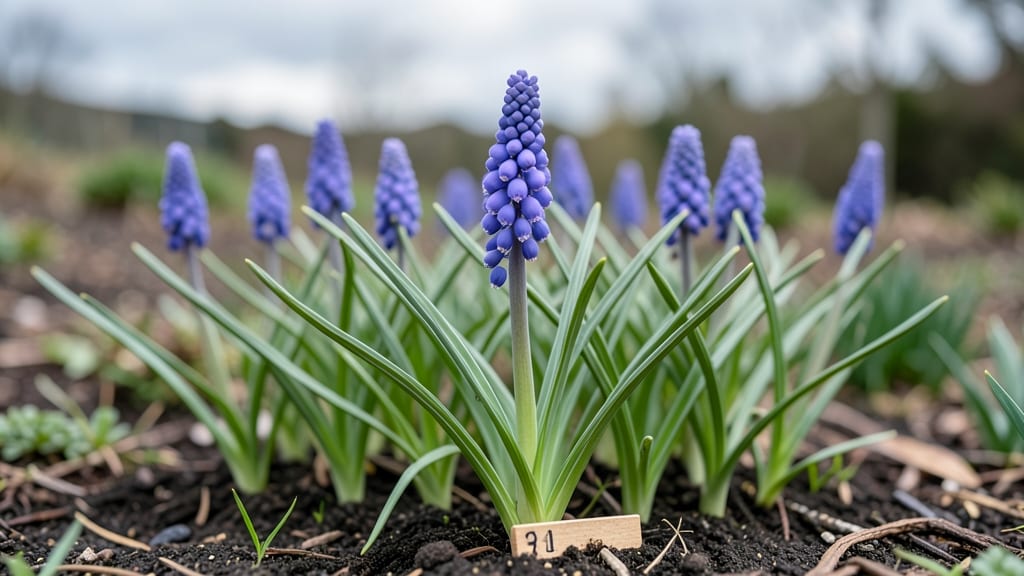
Muscari height by variety: dwarf to tall grape hyacinths explained
When planning your garden, knowing how tall Muscari grow helps you create stunning visual layers. These grape hyacinths come in surprising height variations—some stay low and tidy, while others reach impressive heights.
The average Muscari height typically falls between 6 to 18 inches, but specific cultivars can push those limits even further.
Understanding these differences is key to designing a garden that feels balanced and intentional. For example, dwarf varieties like 'Little Sweetheart' are perfect for edging or rock gardens, while taller types like Muscari armeniacum can serve as dramatic focal points.
Let’s break down the height ranges by variety so you can choose the perfect fit for your space.
📊 Height Comparison Table for Muscari Varieties
| Variety | Height Range | Growth Habit | Best For |
|---|---|---|---|
| Muscari armeniacum | 12–18 inches | Tall, upright spikes | Back of borders, woodland gardens |
| Muscari botryoides | 8–12 inches | Medium height, dense clusters | Mixed borders, containers |
| 'Little Sweetheart' | 6–8 inches | Compact, spreading | Edging, rock gardens, containers |
| 'Valerie Finnis' | 10–14 inches | Tall, late blooming | Back of perennial beds |
| 'Plumosa' | 10–12 inches | Feathery foliage, medium height | Woodland gardens, shade areas |
The tallest Muscari varieties, like Muscari armeniacum, can reach nearly 18 inches, making them ideal for adding vertical interest to your garden. Their upright growth habit ensures they won’t flop over, even in windy conditions.
Meanwhile, dwarf varieties like 'Little Sweetheart' stay low and spread, perfect for filling in gaps or creating a carpet of color.
If you're growing Muscari in containers, opt for medium-height varieties like 'Valerie Finnis' or 'Plumosa'. These will fit neatly without overwhelming smaller pots. For woodland gardens or shaded areas, taller types can peek through ferns or hostas, adding a pop of color without competing for space.
One thing to note is that Muscari height can vary slightly based on growing conditions. For instance, plants in full sun tend to grow a bit taller and produce more robust flower spikes compared to those in partial shade.
However, their height remains relatively consistent year after year, making them reliable for long-term garden planning.
For early bloomers, like 'Little Sweetheart', you’ll see flowers emerge as soon as late winter or early spring. These short Muscari varieties are perfect for adding color to your garden before taller perennials take over.
Meanwhile, late-blooming types, like 'Valerie Finnis', extend the season by flowering in late spring, giving you a longer display.
When choosing Muscari for your garden, consider how their height will interact with other plants. Pairing tall varieties with low-growing perennials like ajuga or creeping thyme creates a stunning contrast.
You can also use dwarf types to edge pathways or fill in around larger shrubs, where their compact size won’t be overpowering.
Pro tip: If you're unsure about spacing, plant Muscari in clusters of 3–5 bulbs. This creates a natural, full look without overcrowding. For tall varieties, space them about 6 inches apart, while dwarf types can be planted just 3–4 inches apart for a denser effect.
Now that you know how tall Muscari grow, you can confidently incorporate them into your garden design. Whether you're aiming for a low-maintenance ground cover or a dramatic vertical accent, there’s a grape hyacinth variety perfect for your needs! 🌸
Optimal planting spacing for Muscari by height: avoid overcrowding mistakes
Proper spacing is the secret to letting your Muscari shine without flopping or competing for nutrients. Tall varieties like Muscari armeniacum need room to stand proudly, while dwarf types like 'Little Sweetheart' thrive when snug. Crowding causes stems to bend or break, ruining that elegant vertical line you're dreaming of.
Most gardeners make one of two mistakes: planting too close, which leads to overcrowded clumps, or too far apart, wasting space and reducing visual impact. The right spacing depends on your variety's mature height and your garden's purpose—whether it's a border, container, or woodland garden.
Let's break it down by height category.
| Variety | Mature Height | Spacing (Inches) | Best For |
|---|---|---|---|
| 'Little Sweetheart' | 6-8" | 3-4" | Containers, borders, edging |
| 'Valerie Finnis' | 10-12" | 4-5" | Woodland gardens, layered plantings |
| 'Muscari armeniacum' | 14-18" | 5-6" | Back of borders, containers, tall arrangements |
| 'Muscari botryoides' | 8-10" | 4" | Rock gardens, meadows, naturalized areas |
For containers, reduce spacing by 25-30% since roots compete more aggressively. In a 12-inch pot, you can fit 5-7 'Little Sweetheart' bulbs, but only 3-4 Muscari armeniacum bulbs due to their larger root systems.
Always plant bulbs at the same depth they grew in the ground—usually 4-6 inches deep.
In woodland gardens, where shade reduces height slightly, you can space bulbs 1-2 inches closer together. The natural dappled light creates a softer, more romantic look, and the blue-purple blooms will pop against ferns and hostas. Just avoid heavy shade, which stunts growth entirely.
Pro tip: Use a layered planting approach in borders. Place tall varieties at the back, mid-height types in the middle, and dwarf types like 'Little Sweetheart' at the front. This creates a natural height gradient that draws the eye and adds depth.
For example, pair Muscari armeniacum with heuchera or lamium in the back, and 'Valerie Finnis' with ajuga or hebe in the middle.
If you're planting in rows for cutting, increase spacing to 6-8 inches to give stems room to mature without leaning. Harvest flowers when 2/3 of buds open—this ensures a longer vase life and encourages more blooms next year.
Avoid overwatering after planting; Muscari bulbs rot easily in soggy soil.
Remember, spacing isn't set in stone. If your garden has poor soil or limited sunlight, bulbs may stay shorter and can be planted closer.
Conversely, in rich, sunny conditions, they may reach their maximum height, so give them extra room. Experiment and observe how your Muscari grow over time!