
How To
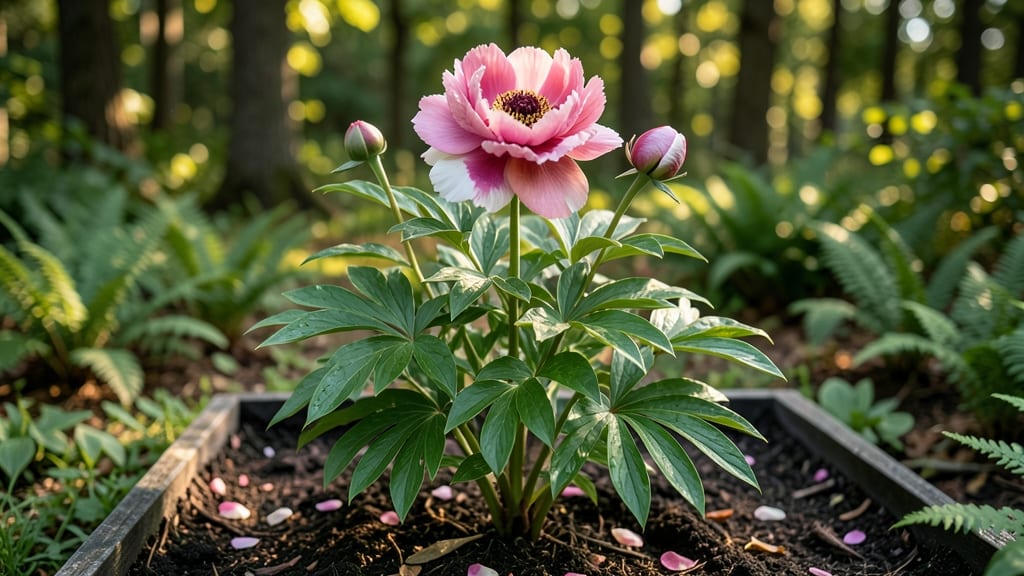
Wondering how tall to peonies grow before you plan your garden layout? Those stunning 🌸 blooms can surprise you—some stay compact while others reach towering heights, completely changing how you design your space.
Herbaceous peonies typically mature between 2 to 3 feet, making them perfect for borders, while tree peonies can stretch up to 4 feet or more. The variety you choose determines everything from spacing needs to whether you’ll need staking for those dramatic blooms.
If you’re dreaming of a lush, romantic garden, knowing these height ranges helps you avoid overcrowding or underutilized space. I’ll break down exactly what to expect from popular varieties and how to give your peonies the support they need to thrive.
Let’s dive into the specifics—so you can plant with confidence and watch those 🌸 flowers reach their full potential without taking over your garden.


Peony height by variety: dwarf to giant growth ranges explained
Peonies are one of the most rewarding flowers to grow, but their height can vary dramatically depending on the variety and type. Understanding these differences helps you choose the perfect plants for your garden layout and avoid overcrowding.
Whether you're designing a cottage garden or a modern landscape, knowing how tall peonies grow ensures your space stays balanced and beautiful.
Peonies generally fall into three main categories: herbaceous peonies, tree peonies, and intersectional hybrids. Herbaceous types die back to the ground each winter but return with lush foliage and blooms in spring, while tree peonies remain evergreen and grow on woody stems.
Intersectional hybrids combine the best traits of both, offering both hardiness and height variety.
Here’s a quick look at what you can expect from each type, along with some of the most popular varieties and their mature heights:
| Peony Type | Variety | Mature Height | Notes |
|---|---|---|---|
| Herbaceous | 'Bowl of Beauty' | 2–3 ft | Classic double bloom, fragrant, ideal for borders. |
| Herbaceous | 'Sarah Bernhardt' | 3–4 ft | Tall, dramatic blooms; needs staking for support. |
| Herbaceous | 'Kansas' | 2–3 ft | Early bloomer, disease-resistant, great for cut flowers. |
| Tree | 'Coral Charm' | 3–5 ft | Stunning coral-pink blooms; thrives in heat. |
| Tree | 'Belle of Holland' | 4–5 ft | Large, fragrant blooms; needs winter protection in cold zones. |
| Intersectional | 'Sarah Van Fleet' | 2–3 ft | Dwarf variety; perfect for containers or small gardens. |
If you’re working with a small garden or containers, dwarf varieties like 'Sarah Van Fleet' or 'Little Princess' (1–2 ft tall) are ideal.
For a dramatic backdrop or focal point, taller types like 'Sarah Bernhardt' or 'Belle of Holland' will make a statement, but they’ll need proper spacing and support to thrive.
One common mistake is assuming all peonies reach their mature height in their first year. In reality, most varieties take 2–3 years to reach full size. Patience pays off—healthy peonies can live for decades and reward you with stunning blooms year after year.
For herbaceous peonies, the foliage dies back in winter, but the roots remain active underground.
This means you can plant them in the fall or early spring, giving them time to establish before their first bloom. Tree peonies, on the other hand, grow on woody stems and are more forgiving if planted slightly later in the season.
When planning your garden, consider not just the height but also the spread of the plant. Most peonies have a mature spread of 2–3 feet, so give them enough room to avoid competition for nutrients and sunlight.
Overcrowding can lead to fewer blooms and increased susceptibility to diseases like botrytis.
If you’re unsure which variety to choose, start with a mix of heights to create visual interest. For example, pair a 2-foot dwarf peony like 'Sarah Van Fleet' with a 4-foot tree peony like 'Coral Charm' to add layers to your garden design.
This combination ensures you get both early and late-season blooms, extending your garden’s beauty from spring through summer.
Remember, peonies thrive in full sun and well-draining soil. Amend heavy clay soil with compost or sand to improve drainage, and avoid planting them too deeply—the "eyes" (buds) should be just below the soil surface for optimal growth.
With the right variety and care, your peonies will grow into a stunning, long-lived centerpiece for your garden.
Peony height by variety: dwarf to giant growth ranges explained
Peonies aren’t one-size-fits-all when it comes to height—your choice of variety can transform your garden from a cozy cottage border to a dramatic backdrop. Herbaceous peonies, the most common type, typically reach 2 to 3 feet at maturity, while tree peonies can soar up to 4 to 5 feet or taller, depending on the cultivar.
Even within these categories, dwarf varieties like 'Tiny Ruby' stay under 2 feet, while giants like 'Belle of Holland' can exceed 4 feet.
Understanding these differences is key to planning your garden layout. A 3-foot peony like 'Sarah Bernhardt' will thrive in a mixed border, while a 5-foot tree peony like 'Coral Charm' might need its own spotlight or support.
The variety you pick doesn’t just affect height—it also influences bloom size, color, and even fragrance, so choose wisely for the romantic garden you envision.
Here’s a quick visual guide to help you compare popular varieties and their mature heights:
| Variety | Type | Mature Height | Bloom Notes |
|---|---|---|---|
| 'Tiny Ruby' | Dwarf Herbaceous | 1–2 ft | Deep red, semi-double |
| 'Bowl of Beauty' | Herbaceous | 2–3 ft | Salmon-pink, fragrant |
| 'Sarah Bernhardt' | Herbaceous | 3–4 ft | Crimson, large blooms |
| 'Coral Charm' | Tree Peony | 4–5 ft | Coral-pink, highly fragrant |
| 'Kansas' | Intersectional | 3–4 ft | Yellow, long blooming |
If you’re planning a peony garden, consider pairing shorter varieties like 'Tiny Ruby' with taller ones like 'Sarah Bernhardt' to create visual layers.
For example, place dwarf peonies in the front for a burst of color, then add semi-dwarf types behind them, and finally, let the tallest varieties anchor the back of the border. This strategic layering not only maximizes space but also draws the eye deeper into your garden.
One common mistake I see is assuming all peonies will stay compact. Tree peonies, in particular, can grow aggressively if given ideal conditions—think rich soil, full sun, and consistent moisture.
If you’re unsure about a variety’s growth potential, check the plant tag or consult a local nursery for insights tailored to your USDA hardiness zone. For instance, 'Belle of Holland' thrives in zones 3–8 but may need winter protection in colder climates.
For gardeners with limited space, dwarf varieties are a game-changer. They’re perfect for containers, small gardens, or even as edging plants along walkways. Just remember, even dwarf peonies need room to breathe—plant them at least 18 inches apart to prevent overcrowding and ensure strong, healthy growth.
With the right variety and spacing, you’ll have a peony display that’s both stunning and manageable.