
Trees
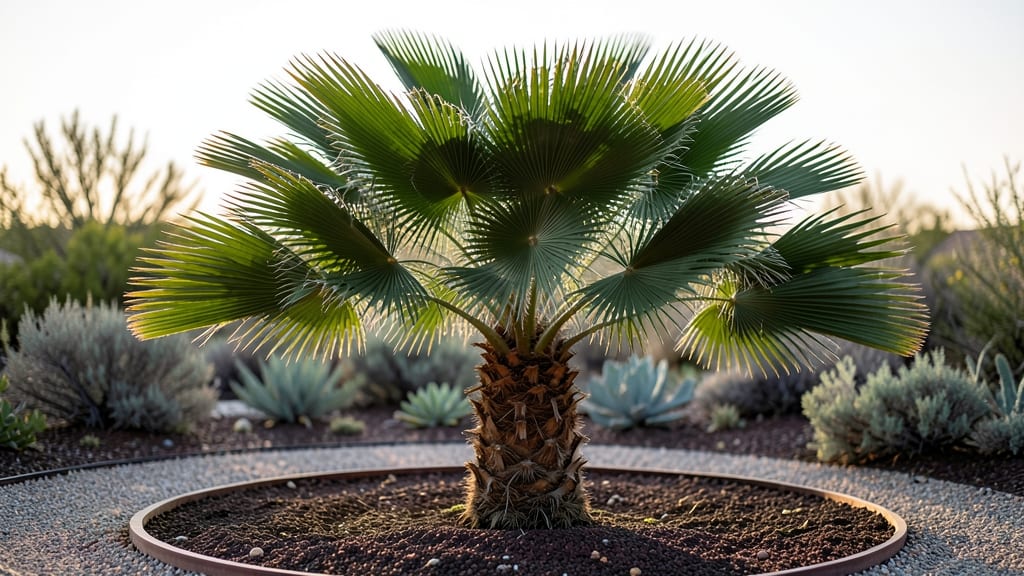
How tall do palm trees grow in California? If you’ve ever stared up at the towering 🌴 skylines of Los Angeles or Palm Springs, you’ve probably wondered—just how massive can these iconic trees become? The answer isn’t one-size-fits-all, because California’s diverse climate zones (from coastal 9b to inland 11) play a huge role in their growth.
Some varieties, like the Canary Island Date Palm, can stretch an impressive 60–80 feet—taller than a 6-story building—while others, such as the Mediterranean Fan Palm, stay more compact at 15–30 feet. The key?
Soil, water, and even microclimates can push a palm toward its full potential or keep it shorter. Whether you’re planning a backyard oasis or a cityscape, knowing these heights helps you pick the perfect fit.
But here’s the twist: even the tallest palms start small. A 3-year-old Mexican Blue Palm might only be 6 feet tall, but with the right care, it could reach 60 feet in just a few decades.
And if space is tight, dwarf varieties like the Pygmy Date Palm max out at 10–15 feet—perfect for patios or small yards.
Ready to learn how to maximize (or control) your palm’s height? We’ll break down the best species for your zone, plus pruning and soil tips to keep them thriving—no matter how big (or small) you want them to grow.


California palm tree heights by species: tallest to shortest varieties
California’s palm trees aren’t one-size-fits-all—their heights vary dramatically by species, from the dwarf Pygmy Date Palm (just 6–15 feet) to the towering Canary Island Date Palm (60–80 feet). Understanding these ranges helps you choose the perfect palm for your space, whether it’s a coastal backyard or an urban courtyard.
Below, I’ve ranked the most popular varieties by mature height, along with their growth rates and ideal USDA zones for California.
For urban gardens, the Mediterranean Fan Palm (15–30 feet) strikes a balance between height and manageability, while desert landscapes often feature the Mexican Blue Palm (40–60 feet), which thrives in USDA Zone 9b–11.
Coastal areas, like Santa Barbara, favor the California Fan Palm (30–50 feet), which handles salty breezes like a pro. Let’s dive into the specifics so you can pick the perfect palm for your climate and style.
🌴 Pro Tip: Always check local microclimates—a palm that thrives in Palm Springs might struggle in San Francisco’s foggy coast. Soil drainage is key for all species!
| Palm Species | Mature Height (ft) | Growth Rate (ft/year) | USDA Zones | Best For |
|---|---|---|---|---|
| Canary Island Date Palm | 60–80 ft | 2–3 ft | 9b–11 | Coastal landscapes, large estates |
| Mexican Blue Palm | 40–60 ft | 1.5–2.5 ft | 9b–11 | Desert gardens, urban streets |
| California Fan Palm | 30–50 ft | 1–2 ft | 8–10 | Native gardens, coastal homes |
| Mediterranean Fan Palm | 15–30 ft | 0.5–1 ft | 8–10 | Urban patios, small yards |
| Pygmy Date Palm | 6–15 ft | 0.3–0.5 ft | 9–11 | Containers, balconies, small spaces |
| Windmill Palm | 20–30 ft | 1–1.5 ft | 10–11 | Desert oases, tropical themes |
The Canary Island Date Palm is California’s tallest native palm, often reaching 80 feet in ideal conditions—think Malibu’s beaches or La Jolla’s cliffs. Its rapid growth rate makes it a favorite for quick shade solutions, but its size requires plenty of space.
If you’re in Zone 9b or higher, this palm will thrive with minimal fuss, though it needs well-draining soil to avoid root rot. For a more manageable height, the Mediterranean Fan Palm is perfect for urban backyards, topping out at 30 feet while adding texture and drama.
For drought-prone areas like Palm Springs, the Mexican Blue Palm is a standout. Its blue-green fronds and 40–60-foot stature make it a desert icon. Unlike coastal palms, it tolerates hot, dry winds and
Best palm tree growth zones in California: where to plant for maximum height
California’s diverse climate creates perfect conditions for palm trees—but not all species thrive equally across the state. The Coastal Zone (USDA 9b-10) offers mild winters and ocean breezes, while the Inland Valleys (USDA 10-11) provide hotter summers and well-draining soil.
Desert regions like Palm Springs (USDA 9b) demand extra drought care. Each zone influences how tall your palm can grow, with coastal varieties often reaching their full potential faster due to consistent moisture.
For example, the California Fan Palm (Washingtonia filifera) thrives in Coastal Zone microclimates like Santa Barbara, where it can reach 50+ feet with proper care. In contrast, the Mexican Blue Palm (Brahea armata) prefers the Inland Valleys of Riverside or San Bernardino, where it grows 40–60 feet tall.
Desert palms like the Pindo Palm (Butia capitata) stay shorter (20–30 feet) due to water scarcity but add stunning texture to arid landscapes.
🌴 Microclimates matter: Even within zones, elevation and wind patterns affect growth. Coastal palms near Santa Monica may grow 10–20% taller than those in inland Los Angeles due to salt spray and cooler nights. Always check local USDA zone maps and observe established palms in your area before planting.
Soil type plays a critical role in height potential. Coastal palms prefer sandy loam with good drainage, while inland varieties tolerate clay-heavy soils if amended with compost. Desert palms thrive in gravelly mixes to prevent root rot.
Before planting, test your soil’s pH—most palms prefer 6.1–7.5. If your soil is too alkaline (common in Southern California), mix in peat moss or sulfur to adjust.
Wind exposure also affects height. Coastal palms like the Canary Island Date Palm (Phoenix canariensis) grow 20% taller when planted in windward positions (facing prevailing winds), as the movement encourages stronger trunks.
In sheltered inland yards, consider staking young palms until their trunks reach 6–10 feet to prevent toppling in storms.
For urban gardeners, container-grown palms (like the Pygmy Date Palm) stay shorter but can still reach 10–15 feet in large pots. Choose containers with drainage holes and use a well-draining potting mix to mimic California’s native soils.
Move containers to south-facing patios for maximum sunlight, which directly impacts growth rate.
🌱 Pro Tip: If you’re planting in USDA Zone 9b (cooler coastal areas), opt for California Native Palms like the Fan Palm or Blue Palm. In hotter inland zones (10–11), Mexican Fan Palms or Sabal Palms handle the heat better and grow taller with less water.