
Plants
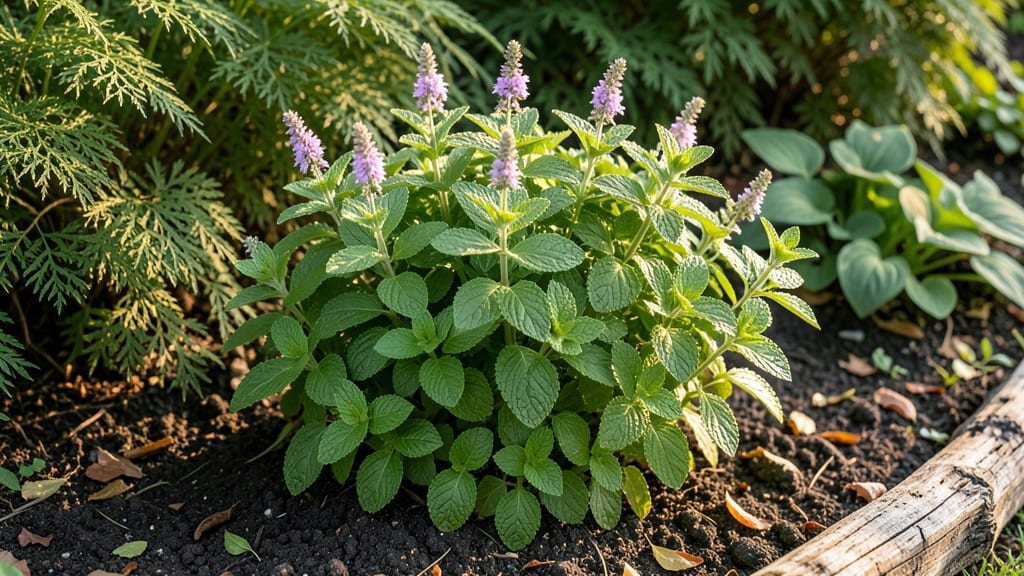
If you’ve ever wondered how tall do peppermint plants grow, you’re not alone—this hardy herb can surprise even seasoned gardeners with its rapid spread and fragrant foliage. 🌿 While peppermint typically reaches 12 to 36 inches in height, its real secret weapon is its aggressive horizontal growth, often stretching 3 to 5 feet if left unchecked.
Growing peppermint in USDA Zone 6a means you’ll get the best results when planting in April or May, but its size depends heavily on your soil and sunlight conditions.
Too much sun or rich soil can send it into overdrive, while partial shade keeps it more manageable—perfect for containers or small gardens.
Here’s the key: peppermint is a perennial that thrives on regular pruning and harvesting. By pinching back stems and harvesting leaves before flowering, you can control its height while maximizing flavor. Plus, its spread makes it ideal for borders or companion planting near veggies like tomatoes or cabbage.
Ready to grow your own? I’ll walk you through spacing, pruning, and even how to contain its spread—so you get the best of both worlds: a fragrant, productive herb without the chaos. Let’s get started!


Peppermint plant height and spread: what to expect from mature growth
Peppermint plants (Mentha × piperita) typically reach a mature height of 12 to 36 inches, but their real secret weapon is their aggressive spread. While the stems may not tower over you, they’ll quickly claim 3 to 5 feet of horizontal space if given the chance.
This makes them perfect for borders or containers—but a nightmare for small gardens without planning!
Under ideal conditions—partial shade and moist, well-draining soil—peppermint grows 2 to 3 feet tall and spreads nearly as wide. In full sun, stems may stretch taller but produce less fragrant leaves, while too much shade slows growth entirely. The key is balance!
Peppermint is a hardy perennial, meaning it returns year after year, multiplying its spread annually. In USDA Zones 3–9, it thrives as a self-sustaining ground cover, though it’s often treated as an annual in colder climates to control its dominance.
Growth isn’t linear—peppermint shoots up 6–12 inches in its first season and fills out by year two. By year three, expect a dense, fragrant thicket unless you intervene with pruning or barriers.
Seasonal growth varies too: Spring brings rapid new shoots, summer is peak bushiness, and fall slows as temperatures drop. In winter, the plant may die back but often regrows from roots in spring.
| Growth Stage | Height | Spread | Seasonal Notes |
|---|---|---|---|
| First Year | 12–24 inches | 12–18 inches | Slow to establish; focus on root growth. |
| Mature (Years 2+) | 24–36 inches | 36–60 inches | Aggressive spread; prune to control. |
| Winter Dormancy | Dies back to ground | Roots persist | Regrows from roots in spring. |
🌱 Pro Tip: Mulch in winter to protect roots and reduce spring regrowth surprises!
If you’re growing peppermint in containers, expect slightly shorter heights (12–24 inches) but the same spread potential. Root-bound plants will flop over or send out runners, so choose pots at least 12 inches wide with drainage holes.
For culinary use, harvest leaves when plants reach 6–12 inches tall—this ensures the strongest menthol flavor. Waiting until flowering (36 inches) reduces potency but increases yield.
Peppermint’s height may seem modest, but its spread is its superpower. Plan for 3 feet of clearance in all directions or risk a garden takeover! Next, we’ll cover how to space plants strategically to keep them lush without losing control. 🌿
Optimal spacing for peppermint plants to prevent overcrowding and maximize yield
Peppermint plants may only reach 12–36 inches in height, but their real challenge lies in their aggressive horizontal spread. Without proper spacing, your garden could quickly become a peppermint takeover, crowding out other plants and making harvesting difficult.
The key is giving them room to grow while keeping their spread manageable.
For ground planting, space peppermint plants 18–24 inches apart in rows that are 2–3 feet apart. This gives roots room to expand while allowing enough airflow to prevent fungal issues.
If you’re planting in containers, ensure each plant has at least 1 gallon of soil per plant—smaller pots will stifle growth and lead to leggy, weak stems.
🚨 WARNING: Peppermint spreads primarily through underground rhizomes, which can invade nearby plants. If you’re growing it near vegetables or flowers, consider planting it in containers or using edging barriers like buried plastic or landscape fabric to contain its roots.
⚠️ Peppermint Spread Alert!
Without containment: Can spread 3–5 feet in all directions, smothering nearby plants. Solution: Plant in containers or use rhizome barriers to limit spread.
In raised beds, peppermint thrives but requires even more vigilance. Space plants 12–18 inches apart and leave 6-inch borders around the edges to prevent rhizomes from escaping. If you’re growing peppermint alongside other herbs, keep it isolated in one corner—its scent can overpower neighbors like basil or thyme.
For maximum fragrance and yield, harvest regularly to encourage bushier growth. Pinch back flowering stems in early summer to redirect energy into leaf production. Overcrowded plants will produce smaller, less flavorful leaves, so proper spacing isn’t just about containment—it’s about optimizing your harvest.
If you’re growing peppermint in shade gardens, reduce spacing slightly to 12–18 inches since lower light slows horizontal growth. However, avoid planting it too closely—even in shade, peppermint will still outcompete nearby plants for nutrients and space.
Pro tip: If you love peppermint but hate its spread, try ‘Peppermint Willie’, a dwarf variety that stays under 12 inches tall while still spreading aggressively. It’s perfect for container gardening or small spaces where you want the flavor without the takeover.