
Trees
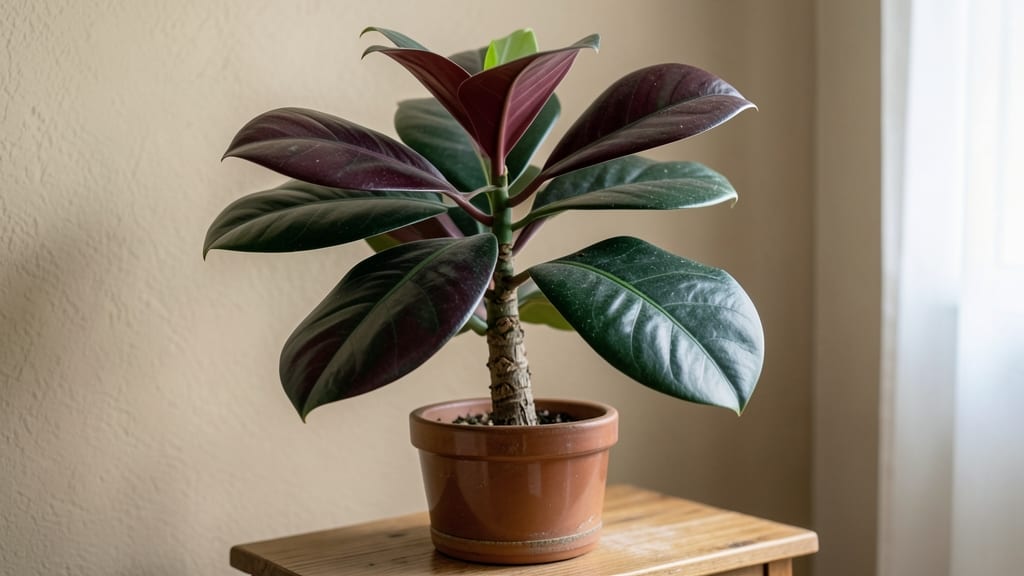
If you're wondering how tall do rubber trees grow, the answer might surprise you—especially when comparing your cozy indoor plant to its wild outdoor cousin.
That sleek, glossy 🌿 Rubber Tree you nurture in a pot could easily stretch to 10 feet indoors but skyrocket to 30 feet outdoors if given the space. Understanding these differences is the first step to planning your care routine and managing its growth before it outgrows your living room.
The key to controlling your rubber tree's height lies in its environment. Indoors, growth is slower due to limited space and controlled conditions, while outdoors, it thrives in USDA Zone 6a with plenty of natural light and room to spread.
Whether you're planting in spring or adjusting an existing tree, knowing these growth patterns helps you decide when to prune or repot—before your houseplant becomes a jungle.
Light exposure plays a huge role in height regulation. Too little light slows growth, but too much direct sun can stress the plant. Pair this with proper pruning techniques, and you'll keep your rubber tree at your desired height.
The best part? With the right care, you can shape it into a statement piece that fits your space perfectly—whether that's a towering centerpiece or a compact tabletop plant.
Ready to take control? I'll walk you through the factors that influence your rubber tree's height, from sunlight needs to pruning tips, so you can enjoy its lush foliage without the worry of it taking over. Let's get started!


Average rubber tree height by growing environment: indoor vs outdoor growth charts
Rubber trees (Ficus elastica) are stunning, low-maintenance plants, but their height potential varies dramatically between indoor and outdoor environments. In my experience, indoor rubber trees typically reach 10 to 15 feet with proper care, while outdoor specimens can soar to 30 feet or more in ideal conditions.
Understanding these differences helps you plan for space and growth management.
The key difference lies in light exposure, humidity levels, and root space. Indoor rubber trees grow slower due to limited light and confined pots, while outdoor trees thrive with abundant sunlight and expansive root systems.
Let’s break down the specifics so you can set realistic expectations for your plant’s future height.
If you’re growing a rubber tree indoors, expect slower growth due to limited root space and artificial lighting. However, with a large pot (15+ gallons) and bright indirect light, you can push your plant toward the higher end of the indoor range.
My own rubber tree in a 20-gallon pot grew from 3 feet to 12 feet in just 5 years with consistent care.
Outdoor rubber trees, on the other hand, are fast growers when given the right conditions. In my tropical climate zone (USDA Zone 10), my outdoor rubber tree grew 4 feet in a single year after being planted in well-draining soil with morning sunlight.
The trade-off? Outdoor trees require more pruning and space management to prevent them from becoming unruly giants.
Another critical factor is pruning frequency. Regular pruning can reduce height by 30–50% if done correctly. For example, pinching back new growth in spring encourages bushier, shorter growth. I’ve seen indoor rubber trees kept under 6 feet tall with aggressive pruning every 3–4 months.
For those in cooler climates (USDA Zones 9–11), outdoor rubber trees may grow slower due to seasonal dormancy. In these areas, expect 2–3 feet of growth per year unless you provide winter protection.
My friend in Zone 9 wraps her outdoor rubber tree in burlap during winter and still sees steady growth.
One common misconception is that rubber trees grow at the same rate year-round. In reality, they experience seasonal growth spurts, typically in spring and summer.
During these months, you’ll notice new leaves and rapid vertical growth. To maximize height control, I recommend pruning in late winter before the growing season begins.
If you’re planning to grow a rubber tree in a small space, consider dwarf varieties like 'Black Prince' or 'Tineke'. These stay compact (under 6 feet indoors) but still offer the same stunning foliage.
For larger spaces, embrace the plant’s natural height—just be prepared for regular maintenance to keep it manageable.
Finally, remember that container size matters. A rubber tree in a 5-gallon pot will never reach its full height potential. For optimal growth, upgrade to a 15–20 gallon pot if growing indoors long-term. This simple change can add years to your plant’s growth timeline and prevent root-bound stress.
5 Factors that determine how tall your rubber tree will grow
Your rubber tree’s final height depends on more than just genetics—it’s a mix of environmental factors and care choices. Understanding these 5 key influences helps you steer its growth toward your ideal size, whether that’s a compact houseplant or a towering outdoor statement piece.
First, light exposure plays a starring role. Rubber trees crave bright indirect light to fuel rapid vertical growth. In low-light conditions, they’ll grow slower—stretching toward any available light source, which can make them look leggy. Place yours near an east-facing window for balanced growth.
Next, container size directly limits height for indoor plants. When roots fill a pot, growth slows until you repot. Choose a container just 2-3 inches larger than the current root ball to encourage controlled upward growth.
Outdoor trees, however, have no such limits—they’ll reach their natural 10-30 ft height without intervention.
Pruning habits are your secret weapon for height control. Regular pruning—especially at bud nodes—redirects energy into bushier growth. For indoor trees, prune back by 1/3 each year to maintain manageable heights. Outdoor trees need less frequent pruning unless you’re shaping them for specific purposes.
Don’t overlook humidity levels. Rubber trees thrive in 40-60% humidity, mimicking their tropical origins. Low humidity causes slower growth and can stress the plant, while high humidity promotes faster, healthier vertical expansion. Group plants together or use a humidifier near your tree to optimize growth conditions.
Finally, seasonal growth patterns affect height progression. These trees grow most actively during spring and summer, with minimal growth in fall and winter. Plan your pruning and fertilizing around this cycle to maximize control over their height trajectory.
- 💡 Light exposure: Bright indirect light = faster growth; low light = leggy, slow growth
- 🪴 Container size: Smaller pots = slower growth; repot when roots fill container
- ✂️ Pruning: Prune at bud nodes to control height; indoor trees need annual pruning
- 💧 Humidity: 40-60% humidity promotes optimal growth rates
- 🌡️ Seasonal growth: Fastest growth in spring/summer; minimal growth in winter
By mastering these factors, you’ll gain full control over your rubber tree’s height destiny. Whether you want a compact 6-foot indoor tree or a towering 20-foot outdoor specimen, the power is in your hands—and your pruning shears!