
Plants
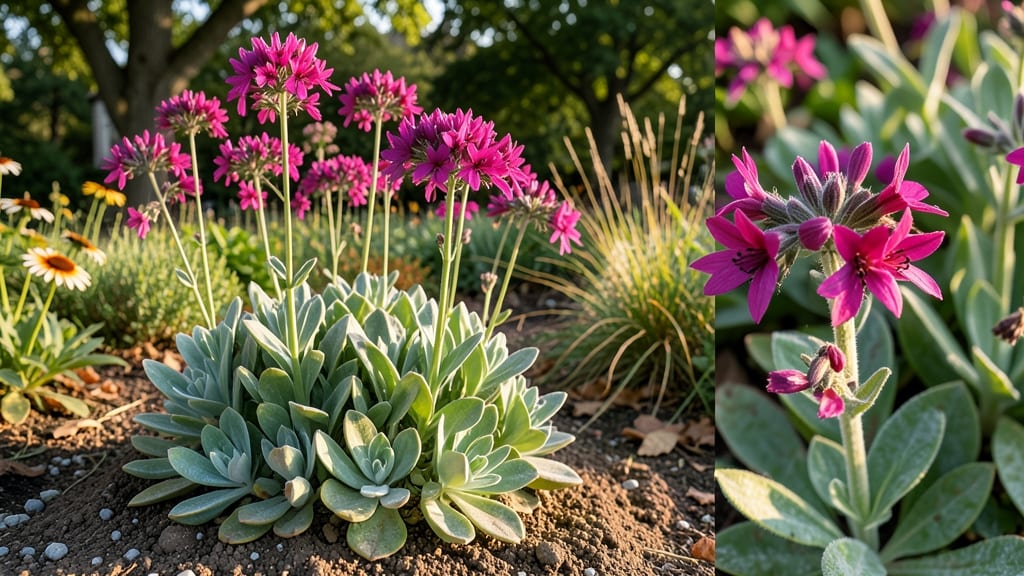
Curious about how tall do sedum plants grow before committing to your garden plan? These hardy, drought-loving beauties—often called stonecrops—offer surprising versatility, from tiny ground covers to striking 3-foot shrubs that steal the show in borders.
What makes sedum so special is its adaptability. Whether you’re designing a rock garden or filling containers, you’ll find varieties that fit your space perfectly. Some stay compact at just 6 inches, while others stretch toward the sky, creating lush vertical interest with minimal care.
In this guide, I’ll break down the height ranges of popular sedum types, including trailing varieties that spill over edges and upright species that add structure. You’ll also discover how sunlight, soil, and pruning habits can influence their growth—so you can shape them to match your vision.
Ready to transform your garden with low-maintenance plants that thrive in USDA Zone 6a and beyond? Let’s explore the perfect sedum size for your space and how to encourage their best growth habits.


Sedum plant height guide: tallest vs. shortest varieties explained
Sedum plants offer a stunning diversity in height, making them perfect for almost any garden space. Whether you're designing a rock garden, lining a pathway, or filling containers, understanding the mature height of each variety helps you plan with precision.
Some sedums stay ground-hugging at just a few inches, while others can grow taller than a person—yes, really!
For example, Sedum acre (goldmoss sedum) stays under 6 inches tall, ideal for crevices and succulent gardens. On the opposite end, Sedum spectabile (showy stonecrop) can reach 2 to 3 feet tall, perfect for back borders and adding vertical interest.
Let’s break down the height ranges so you can choose the perfect sedum for your space.
📊 Height Comparison Table
If you’re working with limited vertical space, dwarf sedums like Sedum acre or Sedum rupestre (6–12 inches) are ideal for rock gardens or succulent trays. These varieties spread horizontally, creating a lush carpet without stealing space from taller plants.
Their compact size also makes them perfect for hanging baskets or window boxes.
For mid-height sedums (12–24 inches), consider Sedum album or Sedum hybridum. These thrive in containers or as border plants, offering a balanced height that works well in mixed beds. They’re also excellent for pollinator gardens due to their long-lasting blooms.
When you need statement-making height, Sedum spectabile and Sedum telephium are the stars. These varieties can reach 3 feet or taller, making them perfect for back borders or as focal points in perennial gardens.
Their upright growth habit adds vertical interest and pairs beautifully with grasses or ornamental shrubs.
Pro tip: If you love tall sedums but have small containers, opt for dwarf cultivars like ‘Autumn Joy Compact’, which stays under 2 feet tall while still delivering stunning blooms. This lets you enjoy the height benefits without sacrificing space.
One common question I hear is, “Will my sedum grow taller in containers?” The answer depends on the variety. Dwarf sedums like Sedum acre won’t outgrow their space, but taller varieties like Sedum spectabile may need larger containers (at least 12 inches deep) to support their root systems and reach full height.
For vertical gardens or trellises, trailing sedums like Sedum morganianum (donkey tail) can cascade 2–3 feet long, adding drama to hanging planters or wall installations. These varieties are perfect for urban gardens where space is at a premium.
Remember, height isn’t the only
How to choose Sedum plants based on garden height requirements
Selecting the right sedum for your garden starts with understanding how height impacts placement and aesthetics. Whether you're filling a small container or creating a tall border, choosing the right variety ensures your garden thrives without overcrowding.
For example, dwarf sedums like Sedum acre stay under 6 inches, making them perfect for rock gardens or crevice planting.
If you're designing a vertical garden or trellis, taller varieties like Sedum spectabile (2-3 feet) add dramatic height. These work beautifully as backdrop plants behind shorter perennials. For container gardening, mid-height sedums like Sedum spurium (12-18 inches) strike a balance, filling space without overwhelming smaller pots.
🌿
Spacing is just as critical as height selection. For upright sedums, allow 18-24 inches between plants to prevent competition. Trailing varieties need 12-18 inches of space to sprawl without smothering neighbors. In containers, pair sedums with complementary plants like lavender or thyme to maximize vertical space.
Pro tip: Always check the mature height label when purchasing sedum plants. Nursery tags often list both current and expected mature size, helping you visualize the final look. If you're unsure, start with a smaller variety—they’re easier to transplant later if needed!
🌱