
How To
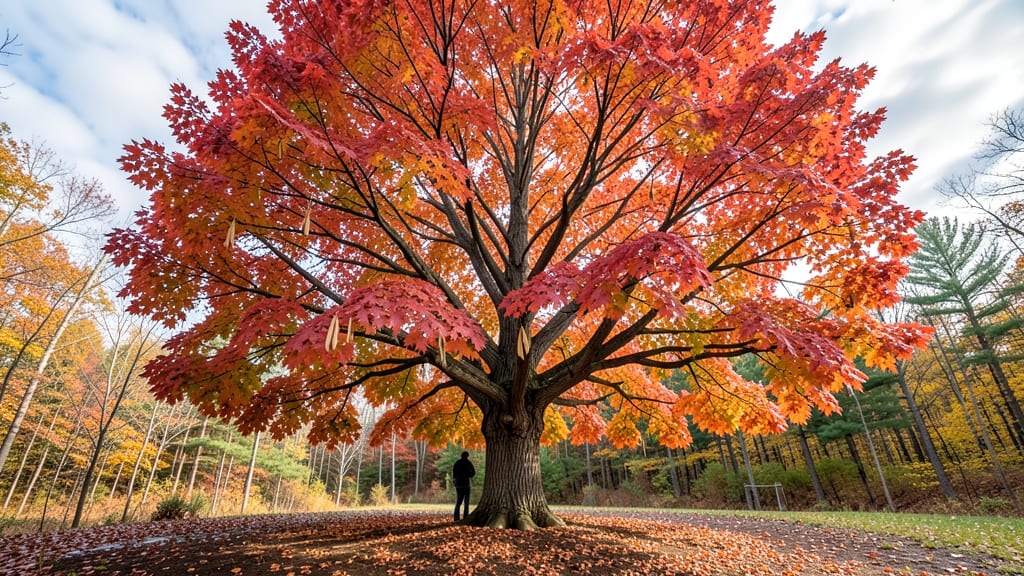
If you're dreaming of planting a sugar maple 🌳 but worry about how tall they grow, you're not alone—many gardeners assume these iconic trees only belong in sprawling forests or massive yards.
The truth? While standard sugar maples can reach 60 to 80 feet tall, there are ways to manage their growth and even find smaller varieties that fit cozy spaces.
Understanding how tall sugar maples grow isn't just about height—it's about planning for their long-term impact. These trees develop slowly, with young saplings growing just 2 to 4 feet in their first year, but their mature size can dramatically alter your landscape.
The good news? With the right variety, spacing, and care, you can enjoy their stunning autumn colors without sacrificing yard space.
Whether you're working with a small urban garden or simply want to control their spread, this guide will help you navigate the possibilities. We'll cover everything from compact varieties to container-growing tips and how sunlight, soil, and pruning affect their height over time.
Ready to discover how you can bring the beauty of sugar maples to your space—no matter how limited it may be? Let's break down the facts so you can make an informed decision for your landscape.


Average sugar maple height: how big do standard varieties grow?
When most people picture a sugar maple (Acer saccharum), they imagine a towering giant dominating the forest canopy. While this is true for wild specimens, cultivated varieties can vary significantly in height.
Standard sugar maples typically reach 60 to 80 feet tall at maturity, with a crown spread of 40 to 60 feet. That’s taller than a 6-story building, making them a long-term commitment for any landscape.
However, their growth rate is surprisingly slow—especially in the first 10 to 15 years. Young trees gain only 1 to 2 feet per year, which gives gardeners time to plan their landscape around these majestic giants.
The key factors influencing their height include sunlight exposure, soil quality, and regional climate. In full sun, sugar maples grow faster and reach their maximum height potential.
| Growth Stage | Height Range | Crown Spread | Growth Rate |
|---|---|---|---|
| Year 1 | 2–4 ft | 2–3 ft | 1–2 ft/year |
| Year 5 | 12–18 ft | 8–12 ft | 1–2 ft/year |
| Year 10 | 25–35 ft | 15–20 ft | 1–2 ft/year |
| Mature (40+ years) | 60–80 ft | 40–60 ft | Slow to negligible |
In northern climates like the Northeast U.S., sugar maples thrive and reach their full height potential. However, in southern regions (e.g., Zone 7 and below), they may grow more slowly or develop a broader, bushier crown due to heat stress.
If you’re planting in a small yard, consider the long-term impact—these trees need ample space for their roots and branches.
Another common misconception is that full sun always equals faster growth. While sunlight accelerates height, it can also lead to weaker wood structure if the tree isn’t pruned properly. I recommend planting sugar maples in partial shade (especially in hot climates) to balance growth and health.
This reduces the risk of sunscald and drought stress, which can stunt growth or even kill young trees.
For gardeners in urban environments, standard sugar maples may not be practical due to their size. However, their autumn foliage is unmatched—bright red, orange, and yellow leaves that turn in late September to October.
If space is limited, I suggest exploring dwarf varieties or container-growing techniques, which we’ll cover in the next sections. These options let you enjoy the iconic colors without sacrificing your yard’s functionality.
One often-overlooked factor is soil drainage. Sugar maples prefer well-draining, slightly acidic soil (pH 6.0–7.0). Poor drainage can lead to root rot and stunted growth, while overly alkaline soil may cause nutrient deficiencies.
Amending clay soil with compost or sand can improve drainage and encourage healthier, taller growth over time.
If you’re debating whether to plant a sugar maple, consider its lifespan. These trees can live for 200–400 years with proper care, making them a heritage investment for your property.
Their slow growth rate in early years gives you time to plan, but their eventual size means you’ll need to space them at least 40–50 feet apart from structures, sidewalks, and other trees.
For those who still want the classic sugar maple experience but in a smaller package, hybrid varieties like 'Armstrong' or 'Autumn Flame' offer a compact alternative without sacrificing color.
These cultivars grow 30–50% slower and reach 20–30 feet tall at maturity, making them ideal for medium-sized yards or landscaping projects.
Finally, remember that pruning young sugar maples can influence their final height. Removing suckers and water sprouts early directs energy toward a stronger central leader, reducing the need for later structural pruning. Start pruning in late winter or early spring before new growth begins for the best results.
Top 5 dwarf and compact sugar maple varieties for small yards
If you adore the fiery fall foliage of sugar maples but need a tree that won’t dwarf your yard, these compact varieties are your best bet. Unlike their towering cousins that reach 60-80 feet, these dwarf sugar maples stay manageable while delivering the same stunning colors.
Here’s my top 5 list for space-conscious gardeners.
First up, the 'Armstrong' sugar maple—my personal favorite for small spaces. This variety tops out at a modest 15-20 feet, making it perfect for urban landscapes or as a focal point in a backyard.
Its vibrant orange-red foliage in autumn is just as showy as standard maples, and it grows at a slow-to-moderate pace, so you won’t outgrow it quickly.
| Variety | Mature Height | Crown Spread | Growth Rate | Best For |
|---|---|---|---|---|
| 'Armstrong' | 15-20 ft | 12-15 ft | Slow | Urban yards, containers |
| 'Autumn Fantasy' | 15-20 ft | 10-12 ft | Slow | Small gardens, patios |
| 'Green Mountain' | 20-25 ft | 15-20 ft | Moderate | Privacy screens, medium yards |
| 'Bonfire' | 20-25 ft | 12-15 ft | Moderate | Bold foliage, statement trees |
| 'Columnare' | 25-30 ft | 8-10 ft | Slow | Narrow spaces, vertical gardens |
The 'Autumn Fantasy' is another standout, offering deep red foliage that’s even more intense than standard maples. It stays between 15-20 feet tall with a compact, rounded crown, making it ideal for small gardens or as a container tree.
Its slow growth means you can enjoy its beauty for decades without worrying about it outgrowing your space.
For those who want a slightly taller but still manageable option, the 'Green Mountain' sugar maple reaches 20-25 feet while maintaining a moderate growth rate. This variety is perfect if you need a privacy screen or a larger statement tree without the commitment of a full-sized maple.
Plus, its golden-yellow autumn leaves add a unique twist to traditional maple colors.
If you’re after bold, fiery colors, the 'Bonfire' sugar maple is a showstopper. This variety grows to 20-25 feet and produces deep red-orange foliage that’s impossible to ignore.
It’s a bit more aggressive in growth than the others, so give it space to spread its 12-15 foot wide canopy. Ideal for gardeners who want to make a statement without sacrificing space.
Finally, the 'Columnare' sugar maple is the ultimate space-saver, with a narrow, columnar shape that tops out at 25-30 feet but only spreads 8-10 feet. This makes it perfect for tight urban lots or as a vertical accent in a landscape.
While its growth is slow, it’s worth the wait for its elegant, upright form and stunning autumn colors.