
How To
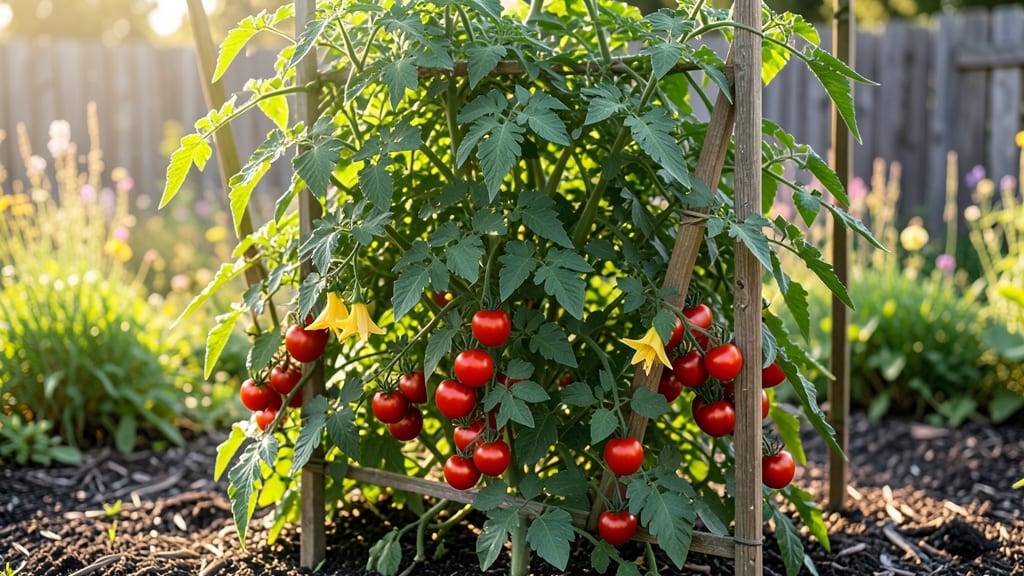
If you're wondering how tall Sweet Million tomatoes grow, you're not alone—this popular variety can reach 4 to 6 feet with the right care, making it perfect for gardeners who want big flavor without taking up too much space.
Unlike sprawling vines, these determinate tomatoes grow in a compact bush shape, which is great news if you're working with limited garden real estate.
What makes this variety so appealing is its ability to produce clusters of sweet, cherry-sized tomatoes without requiring extensive trellising—though staking can still help maximize your harvest and keep fruits off the ground.
Whether you're planting in containers or a small backyard plot, understanding their growth habits is key to getting the most out of your plants.
In this guide, I'll break down everything you need to know about managing their height, from pruning tips to the best staking methods for small gardens.
By the end, you'll have all the tools to help your Sweet Million tomatoes thrive—no matter how much (or little) space you have to work with.
Ready to grow a bountiful harvest without the sprawl? Let's dive into the secrets of keeping these tomatoes happy and productive in your garden.


Sweet Million tomato height guide: how tall they grow and when to prune
If you’ve fallen for the Sweet Million tomato variety, you’re not alone—its sweet, juicy flavor and prolific production make it a favorite. But before you plant, let’s talk height.
These tomatoes typically reach a mature height of 4–6 feet, making them a determinate variety that stays compact compared to sprawling indeterminate types. Their controlled growth makes them perfect for small gardens or containers.
The key to managing their height lies in understanding their growth habit. Unlike their sprawling cousins, Sweet Millions grow in a bushy, self-supporting form, producing fruit in clusters along the stem.
This means they don’t need as much vertical space as indeterminate varieties, but they still benefit from light staking or caging to prevent sprawl and improve air circulation.
Here’s the breakdown you need: Sweet Millions hit their full height in about 60–70 days after transplanting, which aligns with their harvest window. If you’re growing them in containers or raised beds, expect slightly shorter plants (around 3–4 feet) due to root restriction.
In-ground plantings, however, can reach the full 4–6 foot range.
Now, let’s talk pruning—this is where you can control their height and boost yield. Since Sweet Millions are determinate, they don’t need heavy pruning like indeterminate varieties. However, removing suckers (side shoots) can improve airflow and redirect energy to fruit production.
Aim to prune once every 2–3 weeks during the growing season, focusing on removing any shoots that grow between the main stem and branches.
Seasonal variations also play a role in their growth. In cooler climates (USDA Zones 6–8), Sweet Millions may grow slightly slower but still reach their full height. In warmer zones (Zones 9–10), they can grow faster but may benefit from light afternoon shade to prevent stress.
Always plant after your last frost date (typically mid-April in most regions) to ensure healthy growth.
🌱
| Growth Stage | Height Range | Key Care Notes |
|---|---|---|
| Seedling | 6–12 inches | Hardening off required; transplant after last frost. |
| Early Growth (30 days) | 2–3 feet | Stake or cage plants; water deeply 2–3x/week. |
| Mature (60–70 days) | 4–6 feet | Prune suckers; fertilize every 4–6 weeks. |
| Harvest (70–85 days) | 4–6 feet (stable) | Harvest when fruit is deep red and slightly soft. |
| Post-Harvest | 3–4 feet (wilted) | Remove plants; compost or discard. |
Pruning isn’t just about height control—it’s also about maximizing fruit production. For Sweet Millions, focus on removing any lower leaves that touch the soil to prevent disease. This keeps the plant upright and healthy, ensuring those sweet, juicy tomatoes stay free of rot.
If you’re growing in containers, prune more aggressively to prevent overcrowding, as root space is limited.
One common misconception is that determinate tomatoes like Sweet Millions don’t need pruning at all. While they’re self-supporting, a little maintenance goes a long way.
By removing suckers and diseased leaves, you’re not just controlling height—you’re also improving air circulation and reducing the risk of fungal issues like blight. Think of it as a gentle trim to keep your plants thriving.
If you’re growing Sweet Millions in small spaces, consider vertical gardening techniques. A 5-foot-tall tomato cage or a sturdy trellis can support their weight while keeping them off the ground.
This is especially useful if you’re growing them in balcony planters or raised beds, where space is at a premium. Just avoid overcrowding—each plant needs at least 18–24 inches of space to grow to its full potential.
Finally, don’t forget that soil quality and sunlight play huge roles in their height and yield. Sweet Millions thrive in well-draining soil with plenty of organic matter and need 6–8 hours of sunlight daily.
If your garden gets less than that, consider supplementing with a grow light or choosing a sunnier spot. Poor soil or insufficient light can stunt their growth, leading to shorter plants and smaller fruit.
With the right care, your Sweet Million tomatoes will reach their full 4–6 foot height and reward you with a bounty of flavorful fruit. Whether you’re growing them in a
Sweet Million tomato height guide: how tall they grow and when to prune
Sweet Million tomatoes are a determinate variety, meaning they grow to a predictable height—typically between 3 to 5 feet—before producing fruit in clusters. Unlike their sprawling indeterminate cousins, these plants self-limit their growth, making them ideal for small gardens or containers.
Their compact stature doesn’t mean small yields, though! With proper care, you’ll still harvest hundreds of sweet, cherry-sized tomatoes per plant.
At maturity, Sweet Millions reach about 4 to 5 feet tall, but their spread is equally controlled—usually around 2 to 3 feet wide. This makes them perfect for balcony gardens, raised beds, or even hanging baskets with support.
Their growth habit is bushy and upright, so they don’t require the same sprawling space as heirloom varieties. However, without support, their branches can bow under fruit weight, reducing yield and risking disease.
Here’s what you need to know about their growth stages and pruning schedule to keep them healthy and productive:
| Stage | Height Range | Pruning Needs | Key Notes |
|---|---|---|---|
| Seedling | 6–12 inches | None | Hardens off before transplanting. |
| Early Growth | 1–3 feet | Remove suckers (shoots in leaf axils) | Focus on strong stems for support. |
| Flowering | 3–4 feet | Prune lower leaves for airflow | Stop heavy pruning to preserve fruit. |
| Fruiting | 4–5 feet | Minimal pruning; remove diseased leaves | Harvest frequently to encourage more fruit. |
Pruning is key to controlling height and improving airflow, which reduces disease risk. For Sweet Millions, focus on removing suckers (the small shoots that grow between the main stem and branches) when they’re no bigger than a pencil.
This keeps the plant compact and productive while directing energy to fruit production. Avoid over-pruning, though—too much can stunt growth and delay harvest.
Seasonal variations can affect height slightly. In cooler climates, plants may grow slightly slower but still reach 4 to 5 feet if given enough sunlight. In hotter regions, they might bolt to flower faster, so keep them well-watered and mulched to prevent stress.
If you’re growing in containers, choose pots at least 5 gallons to accommodate their root system and support their mature height.
One common misconception is that determinate tomatoes like Sweet Millions don’t need staking. While they’re self-supporting to a degree, their branches can break under fruit weight, especially when clusters ripen. Installing a low trellis or cage early (within 2–3 weeks of transplanting) prevents this.
Even a simple tomato stake can make a big difference in keeping plants upright and maximizing yield.
If you’re short on space, consider pruning aggressively early on to encourage a bushier, more compact shape. You can also train vines horizontally along a trellis to save vertical space while keeping the plant contained.
Just remember: the goal is balance—too much pruning reduces yield, while too little can lead to overcrowded foliage and disease. With the right approach, your Sweet Millions will thrive in even the smallest of gardens!