
Trees
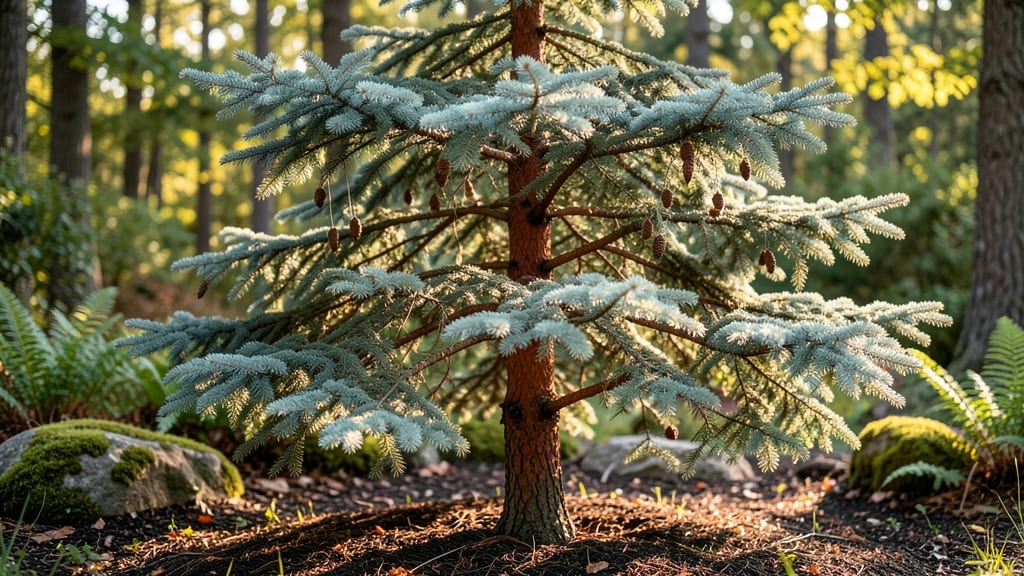
Wondering how tall do white cedar trees grow before you commit to planting one? The answer might surprise you—these elegant evergreens can stretch from a modest 15 feet to towering 40 feet, depending on the variety and growing conditions.
If you're designing a privacy screen or adding height to your landscape, knowing the right size matters.
White cedar trees (🌲 Thuja occidentalis) come in a range of heights, from dwarf varieties that stay under 3 feet to standard types that reach the sky.
Whether you're working with a small backyard or a sprawling estate, choosing the right cultivar ensures your vision comes together without overpowering your space. Let’s break down what to expect and how to keep them at your desired height.
The key to controlling their growth lies in understanding their natural tendencies and the conditions you provide. From sun exposure to soil quality, even pruning techniques play a role in shaping their mature size.
With the right care, you can enjoy their lush foliage and aromatic scent without sacrificing your outdoor layout.
Ready to get started? I’ll walk you through the varieties, growth factors, and pruning tips that will help you maintain the perfect height for your needs—whether that’s a cozy hedge or a majestic centerpiece. Let’s dive in.


White cedar tree height ranges by variety: from dwarf to towering giants
White cedar trees (Thuja occidentalis) offer a stunning range of heights, from compact shrubs to towering evergreens that dominate your landscape. The mature height varies dramatically by variety, so choosing the right type for your space is key.
Whether you need a privacy screen, a hedge row, or a statement specimen, understanding these differences helps you plan with confidence.
For example, the 'Little Giant' variety stays under 10 feet tall, making it perfect for small yards, while the 'Emerald Green' can reach 30-40 feet, ideal for large properties or windbreaks.
Each variety grows at a different rate, too—some mature in 10 years, while others take 20+ years to reach full height.
Below, I’ve broken down the most popular white cedar varieties by their mature height ranges, growth habits, and ideal spacing for landscaping. This comparison will help you visualize how each type fits into your garden design.
When selecting a variety, consider not just the height but also the width at maturity. For instance, 'Emerald Green' can spread 10–15 feet wide, while 'Little Giant' stays under 3 feet wide. This matters for spacing and avoiding overcrowding as the trees mature.
For privacy screens, I recommend planting 'Emerald Green' or 'Columna' in a tight row, spaced 3–4 feet apart. Their rapid vertical growth will create an impenetrable barrier in 5–7 years. In contrast, 'Little Giant' is perfect for container gardening or lining a small patio.
If you’re unsure which variety to choose, start with 'Techny'—it’s a versatile middle-ground option that works for both hedges and specimen planting. Its moderate growth rate and compact size make it low-maintenance and adaptable to most landscapes.
Pro tip: Always check the USDA hardiness zone for your region before planting. Most white cedars thrive in zones 3–7, but some dwarf varieties may struggle in extreme cold or hot climates. For example, 'Little Giant' is more cold-hardy than 'Emerald Green'.
Finally, remember that pruning can influence height. Regular trimming can keep even tall varieties like 'Emerald Green' at a manageable size, while neglect can lead to unruly, overgrown trees. I’ll cover pruning techniques in detail in the next section.
Factors that influence white cedar tree height: sunlight, soil, and Climate
White cedar trees (Thuja occidentalis) are remarkably adaptable, but their mature height can vary significantly based on growing conditions. Sunlight exposure plays a critical role—too much direct sun can stress young trees, while partial shade (4-6 hours of morning light) encourages denser, slower growth.
In full sun, some varieties may grow taller but less bushy, while shade-tolerant types like 'Emerald Green' stay compact.
Soil quality directly impacts root development and nutrient uptake. Well-draining, slightly acidic soil (pH 6.0-7.0) is ideal—waterlogged conditions stunt growth by restricting oxygen to roots. Amending heavy clay with compost can prevent stunted height in poor-drainage areas. Clay-heavy soils may also slow growth, while sandy soils accelerate it.
- Sunlight: 6+ hours = faster height growth; partial shade = denser growth
- Soil: Well-draining = optimal; waterlogged = stunted roots
- Climate: USDA Zones 3-7 = ideal; Zone 8+ = slower growth
Climate zones also shape height potential. White cedars thrive in USDA Zones 3-7, where they reach their full 15-40 ft range.
In warmer Zone 8+ regions, growth slows due to heat stress, often capping mature height at 20-30 ft. Cold snaps in Zone 3 can temporarily halt growth, but trees rebound vigorously in spring.
Moisture levels matter too—drought conditions reduce canopy size but may increase vertical growth as trees stretch for water. Consistent moisture (1-1.5 inches weekly) supports balanced growth, while overwatering causes root rot and stunted height. Mulching with wood chips retains moisture and encourages steady upward growth.
Finally, pruning habits influence height over time. Regular topping keeps trees shorter but wider, while selective pruning of lower branches allows vertical growth. In urban settings, space constraints often dictate pruning frequency—neglecting this can lead to uncontrolled height spikes of 30+ feet.
By adjusting these factors, you can guide white cedars toward your desired height—whether you need a privacy screen or a compact ornamental tree. Experiment with microclimates in your yard to find the perfect balance for your space! 🌿