
How To
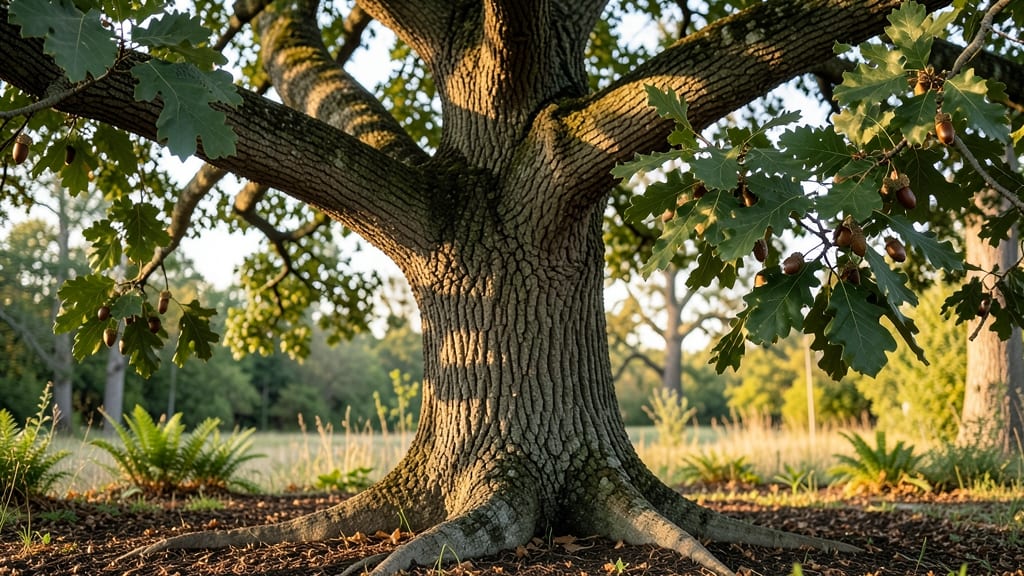
If you're dreaming of a towering 🌳 White Oak in your landscape, you might be surprised by how tall they grow—some varieties can reach an impressive 100 feet when fully mature!
This majestic tree isn’t just a statement piece; it’s a long-term investment that shapes your outdoor space for decades.
Understanding how tall these giants grow helps you plan your garden wisely. Whether you're in the 6a zone or another region, knowing the right spacing and care can mean the difference between a thriving shade provider and a tree that outgrows its welcome.
Let’s break down what you need to know to make the most of your White Oak’s potential.
From the first spring planting in April-May to its mature height of 60-100 feet, this tree’s growth journey is fascinating. But don’t worry—we’ll cover how to manage its size, whether you’re working with a sprawling backyard or a cozy urban lot.
Ready to learn how to nurture one of nature’s most iconic trees?
The key to success lies in understanding its growth habits, environmental needs, and even how to control its height when space is limited. Whether you’re planting for shade, wildlife, or simply beauty, this guide will help you make the right choices. Let’s get started!


White oak mature height by region: average growth secrets
White oaks (Quercus alba) are majestic giants that can reach 60 to over 100 feet at maturity, but their height varies dramatically depending on your region.
In the Southern U.S., these trees often hit 80-100 feet with ideal growing conditions, while Northern climates typically see 60-80 feet due to shorter growing seasons. Elevation also plays a role—trees in mountainous regions may stay shorter due to cooler temperatures and thinner soil.
Understanding these regional differences helps you plan for long-term landscaping or wildlife habitat projects. For example, a white oak planted in Georgia's warm climate will likely dwarf one grown in Minnesota's cooler zones.
Let’s break down the average heights by region to help you visualize what to expect in your backyard.
| Region | Average Mature Height | Key Climate Factors |
|---|---|---|
| Southern U.S. (TX, LA, GA) | 80-100 ft | Hot summers, long growing season |
| Midwest (IL, MO, OH) | 70-90 ft | Moderate climate, 4 distinct seasons |
| Northeast (NY, PA, MA) | 60-80 ft | Cooler summers, shorter growing season |
| Mountainous (CO, NC, WV) | 50-70 ft | High elevation, cooler temps |
In the Southern U.S., white oaks thrive with hot summers and long growing seasons, allowing them to grow taller faster.
For example, a tree in Texas or Louisiana might reach 80 feet in 50 years, while one in New York or Pennsylvania could take 70-80 years to hit the same height due to cooler temperatures and shorter growing seasons.
If you're planting near mountainous regions, expect a more compact tree, often 50-70 feet, because the cooler climate slows growth.
Another critical factor is soil quality. White oaks prefer well-drained, acidic soil with a pH between 4.5 and 7.0. In regions with alkaline soil, like parts of the Midwest, growth may be stunted unless you amend the soil with peat moss or sulfur.
Always test your soil before planting to give your tree the best chance to reach its full potential height.
If you're planning for urban landscapes or smaller properties, consider the canopy spread of a mature white oak, which can reach 75-100 feet wide. This means you’ll need a large, open space to accommodate both the height and spread.
For example, a 100-foot-tall oak with a 75-foot spread requires at least 1,000 square feet of space to grow without crowding other plants or structures.
When planting a white oak, early growth stages are crucial for determining its future height. In the first 3 years, a sapling grows 2-4 feet tall, and by year 10, it can reach 15-20 feet.
If you want to encourage faster growth, ensure it gets full sun exposure and consistent watering during its first few years. Once established, white oaks are drought-tolerant, but young trees need regular watering to support rapid height growth.
For gardeners in cooler climates, like the Northeast or Pacific Northwest, growth rates slow down significantly. In these areas, a white oak might only add 6-12 inches per year during its early years, compared to 12-24 inches per year in warmer regions.
Patience is key—it can take 50-80 years for a white oak to reach maturity in cooler zones, so plan accordingly if you're planting for future generations.
One common misconception is that pruning young white oaks will stunt their growth. While pruning is essential for removing dead or diseased branches, excessive pruning—especially during the growing season—can slow height growth.
Instead, focus on structural pruning in late winter or early spring to encourage a strong, healthy canopy without sacrificing vertical growth.
If you're unsure about your region’s specific growth patterns, consult your local cooperative extension service for data tailored to your area. They can provide insights into microclimates and soil conditions that might affect your white oak’s height.
With the right planning, you can enjoy a century-old oak in your landscape, providing shade, wildlife habitat, and timeless beauty for decades to come.
Planting a white oak isn’t just about its height—it’s about creating a legacy tree that will outlive you. Whether you're in the Deep South or the Northeast, understanding regional growth patterns ensures you give your tree the best chance to thrive and reach its full potential.
White oak mature height by region: average growth secrets
White oaks are majestic giants that can reach 60 to 100 feet at maturity, but their exact height depends heavily on where you plant them. In the Southern U.S., these trees often grow taller due to warmer climates and longer growing seasons.
Meanwhile, in Northern states, they may max out around 70 feet due to shorter summers and colder winters.
Elevation also plays a role—trees planted at lower altitudes (like coastal regions) tend to grow faster and taller, while those in mountainous areas may stay shorter due to thinner air and cooler temperatures.
Even within the same region, soil quality and water availability can influence how tall your white oak becomes.
| Region | Avg. Height | Key Factors |
|---|---|---|
| Southern U.S. (Zones 7-10) | 80-100 ft | Longer growing season, rich soil |
| Midwest (Zones 4-6) | 60-80 ft | Moderate climate, slower growth |
| Northeast (Zones 3-5) | 50-70 ft | Shorter summers, colder winters |
| Mountainous Regions | 40-60 ft | Thinner air, cooler temps |
If you're planting a white oak in an urban setting, expect it to grow more slowly due to limited space and potential soil compaction. However, with proper care—like regular watering and well-draining soil—you can encourage healthier growth, even in challenging conditions.
For gardeners in cooler climates, consider planting near a south-facing wall to maximize sunlight exposure. This simple trick can boost growth by up to 10-15% compared to shaded locations. Just avoid planting too close to structures, as mature roots can damage foundations.
White oaks also develop wider canopies over time, often reaching 60-80 feet in width. This means you’ll need plenty of space—not just for the tree itself but for its sprawling branches. Always measure your yard before planting to avoid future pruning headaches.
One final tip: Young white oaks grow about 1-2 feet per year in ideal conditions. By age 10, they’ll already be 10-20 feet tall, so plan accordingly if you’re adding one to your landscape. Patience is key with these slow-growing giants!