
How To
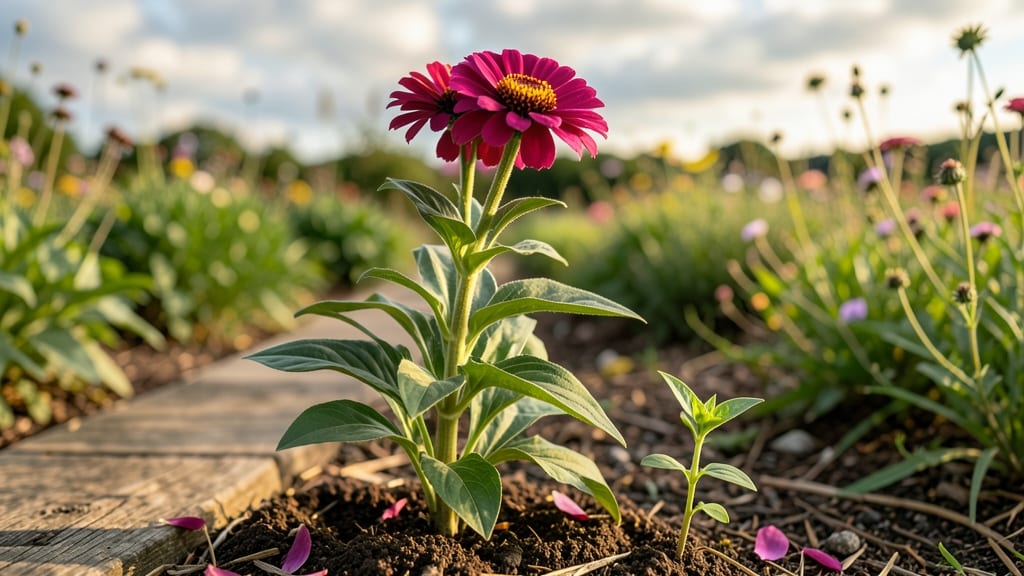
If you’ve ever wondered how tall do zinnias grow?—and whether your backyard can handle their towering presence—the answer might surprise you.
These vibrant blooms 🌸 aren’t just pretty faces; they come in a stunning range of heights, from tiny 6-inch dwarfs to 4-foot giants that steal the show in any garden.
But here’s the catch: their height isn’t just about show—it’s about strategy. Whether you’re dreaming of a lush border or bouquets for your kitchen table, knowing which variety fits your space (and whether it needs staking) is the key to success.
Let’s break down the heights you can expect and how to keep them standing tall.
From compact dwarf zinnias perfect for containers to tall varieties that reach for the sky, each type has its own growing quirks. And don’t worry—even the tallest zinnias can thrive with the right care, whether you’re pinching stems or planting them near sturdy supports.
Ready to discover which height works best for your garden?
You’ll also learn how spacing, pruning, and a little extra support can make all the difference. Whether you’re a first-time gardener or a seasoned pro, these insights will help you grow zinnias that don’t just survive—they thrive.


Zinnia height guide by variety: dwarf to giant flowering giants
Zinnias are one of the most versatile annual flowers in your garden, offering height diversity from tiny dwarf varieties to towering giant bloomers. Their mature height directly impacts your garden layout and flower arrangement plans.
Whether you're designing a border garden or cutting garden, knowing these height ranges ensures perfect spacing and stunning visual impact.
From 6-inch dwarfs that spill beautifully over containers to 4-foot giants that reach for the sky, zinnias adapt to any space. The variety you choose determines not just height but also bloom size and garden function.
Let’s explore how these flowering giants grow—and how to maximize their potential in your landscape.
🌱 Visual Height Guide: Imagine your zinnias alongside everyday objects. A dwarf zinnia sits at countertop height (12 inches), while a tall variety soars like a lamppost (4 feet). This comparison helps visualize their garden placement before planting.
| Variety Type | Height Range | Ideal Spacing | Best Uses |
|---|---|---|---|
| Dwarf | 6–12 inches | 6–8 inches apart | Containers, borders, edging |
| Semi-Dwarf | 1–2 feet | 10–12 inches apart | Cut flowers, small bouquets |
| Standard | 2–3 feet | 12–18 inches apart | Back of borders, mixed beds |
| Giant | 3–4 feet | 18–24 inches apart | Cutting gardens, focal points |
🌸 Pro Tip: Spacing ensures airflow and reduces disease while maximizing bloom production.
For dwarf varieties like 'Thumbelina' or 'Crystal', their compact size makes them perfect for container gardens or window boxes. These 6–12-inch wonders thrive in small spaces and urban gardens, adding color without crowding other plants.
On the opposite end, giant zinnias such as 'Benary’s Giant' or 'State Fair' can reach 4 feet tall, making them showstoppers in cutting gardens. These towering beauties need sturdy support and ample spacing to avoid stem breakage from wind or rain.
Medium-height zinnias like 'Profusion' series or 'Zahara' strike a balance at 1–3 feet. They’re versatile workhorses for mixed borders and pollinator gardens, attracting butterflies and bees while adding height variety to your landscape.
Your garden design should account for mature height and growth habit. For example, planting tall zinnias behind shorter perennials creates visual layers, while dwarf varieties in front add colorful texture. Always check the seed packet for specific variety traits—some hybrids exceed typical ranges!
One critical factor affecting height is soil fertility. Rich, well-draining soil with balanced nutrients promotes stronger stems and taller growth. Amend your garden beds with compost or aged manure before planting to give zinnias the best start for reaching their full potential.
🌿 Height Hack: Pinch back young zinnias to encourage bushier growth and prevent legginess. This technique works especially well for tall varieties, helping them branch out instead of growing top-heavy.
Zinnia height guide by variety: dwarf to giant flowering giants
Zinnias are one of the most versatile flowers in the garden, offering heights that range from tiny tabletop plants to towering giants.
The variety you choose determines not just how tall your zinnias will grow, but also how you’ll space them and whether they’ll need support structures to stay upright. Let’s explore the height spectrum so you can pick the perfect zinnias for your garden design.
If you’re working with limited space, dwarf zinnias like ‘Thumbelina’ or ‘Crystal’ varieties stay between 6 and 12 inches tall, making them ideal for containers, window boxes, or edging borders.
These pint-sized powerhouses pack a punch with their bright blooms and are perfect for adding color to small gardens or urban balconies.
For a balanced look, semi-dwarf zinnias like ‘Benary’s Giant’ or ‘Profusion’ series typically reach 1 to 2 feet in height. These are the workhorses of the garden, thriving in mixed borders or as cut flowers for arrangements.
They’re also low-maintenance and rarely need staking, making them a favorite for beginner gardeners.
| Variety Type | Height Range | Spacing Needs | Best For |
|---|---|---|---|
| Dwarf | 6–12 inches | 6–12 inches apart | Containers, borders, window boxes |
| Semi-Dwarf | 1–2 feet | 12–18 inches apart | Cut flowers, mixed beds, pollinator gardens |
| Standard | 2–3 feet | 18–24 inches apart | Back of borders, cut flower gardens |
| Giant | 3–4 feet | 24–36 inches apart | Dramatic focal points, staked arrangements |
When it comes to tall zinnias, varieties like ‘State Fair’ or ‘Magellan’ can reach 3 to 4 feet tall, making them statement pieces in your garden. These giants are perfect for backyard focal points or as dramatic cut flowers for bouquets.
However, their height also means they’ll need extra support—whether through staking, planting near a trellis, or tucking them into a flower bed with sturdy neighbors.
Pro tip: Spacing matters! Tall zinnias need 24 to 36 inches between plants to give their roots room to spread and their stems room to grow without crowding. This prevents disease spread and ensures each plant gets enough sunlight and air circulation.
If you’re planting in rows, consider alternating heights to create a natural tiered effect that adds depth to your garden.
No matter which height you choose, zinnias are low-maintenance and fast-growing, often blooming within 60 to 75 days of planting.
Their vibrant colors and long-lasting blooms make them a garden favorite, whether you’re growing them for cut flowers, pollinators, or simply to brighten up your outdoor space.