
How To
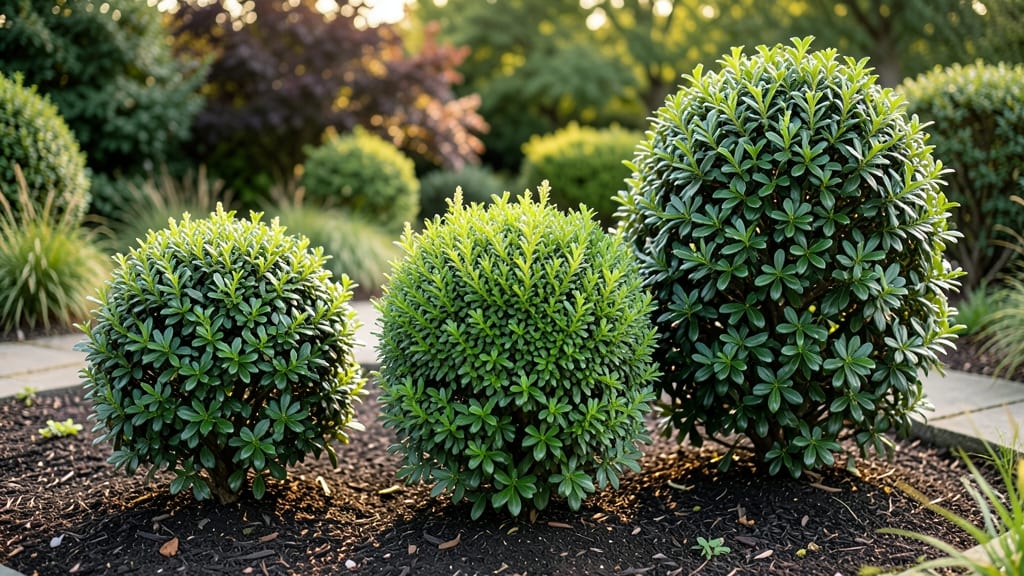
If you've ever wondered how tall does a boxwood shrub grow and how to keep it from becoming a wild, unruly mess, you're not alone. Boxwoods 🌿 are the quiet workhorses of landscaping—elegant, hardy, and endlessly versatile—but their growth habits can throw even seasoned gardeners for a loop.
The truth is, boxwood height varies wildly depending on the variety, from compact 1-foot dwarfs to towering 15-foot giants. Without the right pruning strategy, even your carefully chosen shrub can outgrow its space in just a few years.
The good news? With a few simple techniques, you can shape your boxwood to fit your vision—whether that's a neat hedge or a sculptural centerpiece.
Let's break down what determines a boxwood's mature size and how to control its growth naturally. You'll discover which varieties stay small, why some shoot up like weeds, and the best time to prune for healthy, controlled growth. No more guessing—just science-backed tips to keep your boxwoods looking their best.
From choosing the right variety for your space to mastering seasonal pruning, I'll show you how to harness your boxwood's natural growth patterns.
Whether you're designing a formal garden or just keeping your shrubs tidy, these secrets will save you time and frustration—and give you shrubs that stay exactly where you want them.


Boxwood shrub growth heights: species breakdown and mature size expectations
Understanding boxwood shrub growth heights is essential for planning your landscape design. These evergreens come in a stunning variety of sizes—from dwarf varieties perfect for borders to standard boxwoods that create bold focal points.
The key to managing their height lies in selecting the right cultivar for your space and pruning strategy.
Most boxwoods grow at a moderate pace, typically adding 6-12 inches per year depending on variety and growing conditions. However, some fast-growing boxwoods like 'Suffruticosa' can reach maturity faster, while dwarf varieties like 'Green Velvet' remain compact. Let's explore the height ranges you can expect from popular boxwood cultivars.
🌿 Boxwood Height Guide
When planning your garden layout, consider the mature height of each boxwood variety to avoid overcrowding. For example, 'Green Velvet' boxwoods make excellent foundation plants along walkways, while 'Suffruticosa' varieties create impressive privacy hedges when planted in rows.
Always leave 3-5 feet of space between standard boxwoods to allow for proper airflow and growth.
The growth rate of boxwood shrubs depends on several factors beyond just the cultivar. Full sun exposure can accelerate growth, while shady conditions may slow it down. Additionally, well-draining soil rich in organic matter provides the nutrients needed for healthy development.
In my experience, boxwoods planted in USDA Zones 5-9 thrive best with consistent moisture and regular pruning.
For compact boxwoods like 'Dwarf Burford,' you can expect them to reach their mature height within 3-5 years of planting. In contrast, taller varieties like 'American Boxwood' may take 7-10 years to reach their full potential.
This gradual growth makes boxwoods ideal for long-term landscaping projects where you want a low-maintenance, evergreen structure.
One common misconception is that all boxwoods grow at the same rate. In reality, the growth habit varies significantly between cultivars. For instance, 'Little Gem' boxwoods are prized for their columnar shape and grow upward more quickly than they spread outward.
This makes them perfect for vertical garden elements like topiary or narrow hedges. Always check the specific growth characteristics when selecting boxwoods for your garden design.
If you're using boxwoods as hedging plants, plan for their eventual height by spacing them appropriately. For a 3-foot-tall hedge, plant 'Green Velvet' boxwoods 2 feet apart to allow room for natural spreading.
For taller hedges, consider 'Winter Gem' or 'Suffruticosa' varieties and space them 3-4 feet apart to achieve a dense, uniform barrier.
Remember that pruning frequency also affects height. Regular light pr
Natural pruning techniques to control boxwood height without sacrificing health
Boxwood shrubs grow at different rates depending on the variety, but most mature between 3 to 15 feet tall. The key to maintaining their desired height lies in proper pruning techniques that encourage dense foliage while controlling vertical growth.
Unlike aggressive shearing, natural pruning focuses on shaping and selective trimming to preserve the shrub's health and vigor.
Start by understanding your boxwood's growth habit—some varieties like 'Green Velvet' grow slowly (6 inches per year), while others like 'American Boxwood' can reach 10 feet if left unchecked. Pruning at the right time and with the right tools ensures you don’t stunt growth or invite disease.
Always use sharp, disinfectant-clean pruners to make clean cuts and avoid tearing the bark.
- Early Spring: Trim back overgrown branches by 1/3 of their length to encourage new growth. Focus on shaping the outer edges for a natural look.
- Late Spring: Remove dead or crossing branches to improve airflow. Pinch back new growth tips to promote bushier growth.
- Summer (Light Pruning): Lightly trim only the tips to maintain shape. Avoid heavy pruning during hot months to reduce stress.
- Fall (Minimal Pruning): Lightly tidy up ragged edges but avoid heavy cuts. Focus on removing diseased foliage to prevent winter issues.
For boxwoods that need to stay compact and bushy, try the pinching method in early summer. Simply pinch off the top inch of new growth with your fingers or pruners. This encourages the shrub to branch out instead of growing taller.
Repeat every 4-6 weeks during the growing season for best results. This technique works especially well for dwarf varieties like 'Dwarf Burford', keeping them under 3 feet tall.
If your boxwood has become too leggy or overgrown, don’t panic—you can still restore its shape. Start by thinning out the center to improve light penetration and reduce disease risk. Then, gradually trim back the outer branches over 2-3 years to avoid shocking the plant.
Always prune just above a leaf bud or side branch to encourage new growth in the right direction.
Another pro tip: Use string or twine as a temporary guide to shape your boxwood. Wrap it loosely around the shrub to mark where you want the final shape to be. This helps you visualize the pruning cuts and ensures a more uniform appearance.
Remove the string once the new growth fills in the space. This method is especially useful for formal hedges or topiary designs.
Finally, remember that less is more when it comes to pruning boxwoods. Over-pruning can stress the plant, making it susceptible to pests and diseases. Aim to prune only what’s necessary to maintain shape and health.
With the right techniques, your boxwood will stay lush, compact, and beautiful for decades—without ever becoming a towering giant. ✂️🌿