
How To
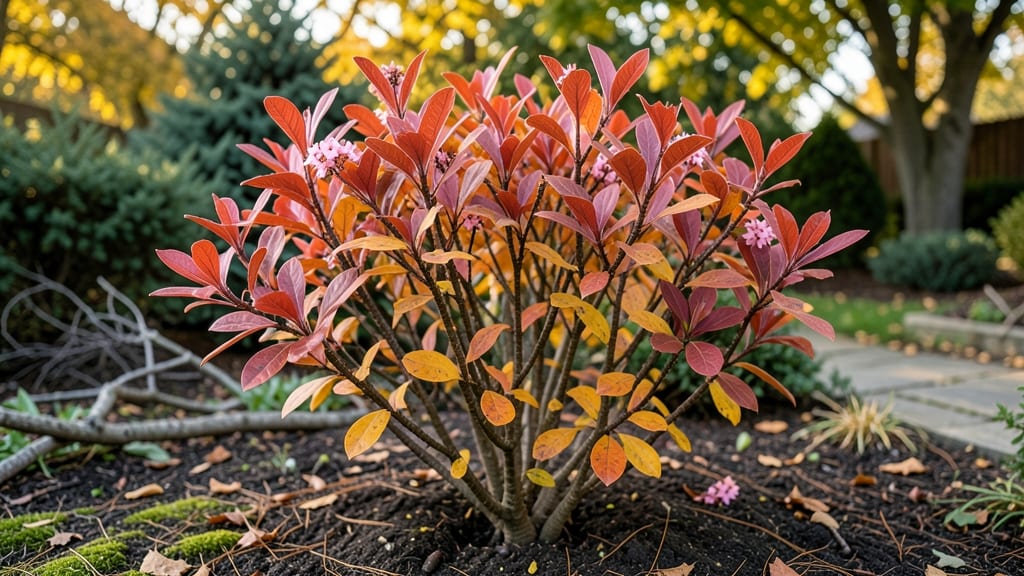
If you're wondering how tall does a burning bush grow, you’re not alone—this vibrant 🌿 shrub can transform your landscape, but its mature size depends on more than just genetics.
Whether you're planning a bold statement plant or a compact hedge, knowing the range (6 to 15 feet) helps you avoid costly mistakes.
Most burning bushes reach their full height in 3 to 5 years, but factors like pruning, sunlight, and soil quality can dramatically alter their growth. In cooler climates (like USDA Zone 6a), they often stay on the shorter side, while warmer regions see taller, more vigorous plants.
The key? Understanding how to guide its growth from the start.
This shrub isn’t just about height—it’s about versatility. You can keep it trimmed to 3 feet for a neat border or let it grow wild for a striking focal point.
The secret lies in seasonal care and smart pruning techniques that I’ll share to help you achieve your ideal size without sacrificing those stunning fall colors.
Ready to plan your perfect spot? Let’s break down exactly how tall your burning bush will grow—and how to shape it to fit your space, whether you’re working with a small garden or a sprawling yard.


Burning bush height by variety: exact growth ranges for popular cultivars
The burning bush (Euonymus alatus) is famous for its vibrant fall foliage, but its height varies dramatically by cultivar. Most standard varieties reach 6 to 15 feet tall at maturity, but dwarf and compact types stay under 5 feet.
Knowing these differences helps you choose the right plant for your landscape design.
For example, the classic ‘Burning Bush’ cultivar typically grows 10 to 15 feet tall with a spread of 8 to 12 feet. This makes it ideal for privacy screens or backyard focal points. However, if you’re working with limited space, a dwarf variety like ‘Compactus’ is a game-changer.
🌿
| Variety | Mature Height | Spread Width | Growth Rate | Best For |
|---|---|---|---|---|
| ‘Burning Bush’ (Standard) | 10–15 ft | 8–12 ft | Moderate (1–2 ft/year) | Privacy screens, hedges |
| ‘Compactus’ (Dwarf) | 3–5 ft | 3–4 ft | Slow (6–12 in/year) | Containers, small gardens |
| ‘Alatus Aureus’ | 6–10 ft | 5–8 ft | Moderate (1 ft/year) | Foundation planting, borders |
| ‘Emerald Gaiety’ | 6–8 ft | 4–6 ft | Slow (6–12 in/year) | Colorful accents, mixed borders |
| ‘Rudy Haackii’ | 12–15 ft | 8–10 ft | Fast (2 ft/year) | Large landscapes, woodland edges |
The ‘Compactus’ variety is my top pick for small gardens or urban landscapes where space is limited. It stays under 5 feet tall and spreads just 3–4 feet wide, making it perfect for containers or foundation plantings.
Meanwhile, the ‘Rudy Haackii’ variety grows taller than most trees in your yard, so it’s best for large properties or wildlife-friendly hedges.
Another factor to consider is how pruning affects height. If you shear a standard burning bush regularly, you can keep it under 6 feet, but it may lose some of its natural shape and fall color intensity.
For the best results, I recommend pruning dwarf varieties lightly to encourage dense foliage.
Climate also plays a role in height. Burning bushes in colder USDA zones (4–5) often grow slower and smaller due to shorter growing seasons. In warmer zones (7–9), they may reach their maximum height faster. Always check your local nursery recommendations before planting.
If you’re planting near a fence or structure, leave at least 3–5 feet of clearance for the widest varieties. For example, a 12-foot-tall burning bush with an 8-foot spread needs plenty of room to avoid crowding other plants or blocking sunlight.
For hedge planting, stick to semi-dwarf varieties like ‘Alatus Aureus’ (6–10 ft) and space them 3–4 feet apart. This creates a dense, colorful barrier without requiring constant pruning.
Just remember: burning bushes thrive in full sun, so avoid planting them in shady spots where they’ll grow leggy and weak.
🌳
Burning bush height by variety: exact growth ranges for popular cultivars
If you’re planning your landscape with a burning bush (Euonymus alatus), knowing its mature height is key to avoiding overcrowding or underwhelming displays. The standard variety typically reaches 6 to 15 feet tall, but some cultivars stay much shorter—like the dwarf varieties designed for smaller gardens.
Your choice of cultivar directly impacts height and spread. For example, the ‘Compactus’ variety tops out at just 3 to 5 feet, making it ideal for foundation plantings or tight spaces.
Meanwhile, the ‘Burning Bush’ standard can tower up to 12 to 15 feet, perfect for creating a bold focal point in larger yards.
| Variety | Mature Height | Spread Width | Best For |
|---|---|---|---|
| ‘Compactus’ | 3–5 ft | 3–4 ft | Small gardens, hedges |
| ‘Burning Bush’ (standard) | 10–15 ft | 8–12 ft | Privacy screens, focal points |
| ‘Alatus Aureus’ | 6–10 ft | 5–8 ft | Medium spaces, mixed borders |
| ‘Emerald Gaiety’ | 8–12 ft | 6–10 ft | Color contrast in landscapes |
Pruning plays a huge role in controlling height. If you plant a standard burning bush but want to keep it under 6 feet, regular pruning in late winter or early spring will encourage bushier growth instead of vertical shoots.
Just avoid heavy pruning after mid-summer, as this can stunt new foliage development.
For colder climates (USDA Zones 4–7), burning bushes often grow slightly slower and may stay shorter—sometimes reaching only 8 to 10 feet—due to shorter growing seasons. In warmer zones like Zones 8–9, they can push toward the upper limits of their height range if given ideal conditions.
When choosing a location, consider both height and spread. A 10-foot-tall burning bush with a 12-foot spread needs ample room to avoid shading out nearby plants. For smaller spaces, the ‘Compactus’ variety is a game-changer, offering the same stunning fall colors without the bulk.
Pro tip: If you’re using burning bush as a hedge or screen, space plants 4 to 6 feet apart to allow for natural filling in. Over time, they’ll create a dense, fiery barrier that’s perfect for autumn displays. 🌿