
How To
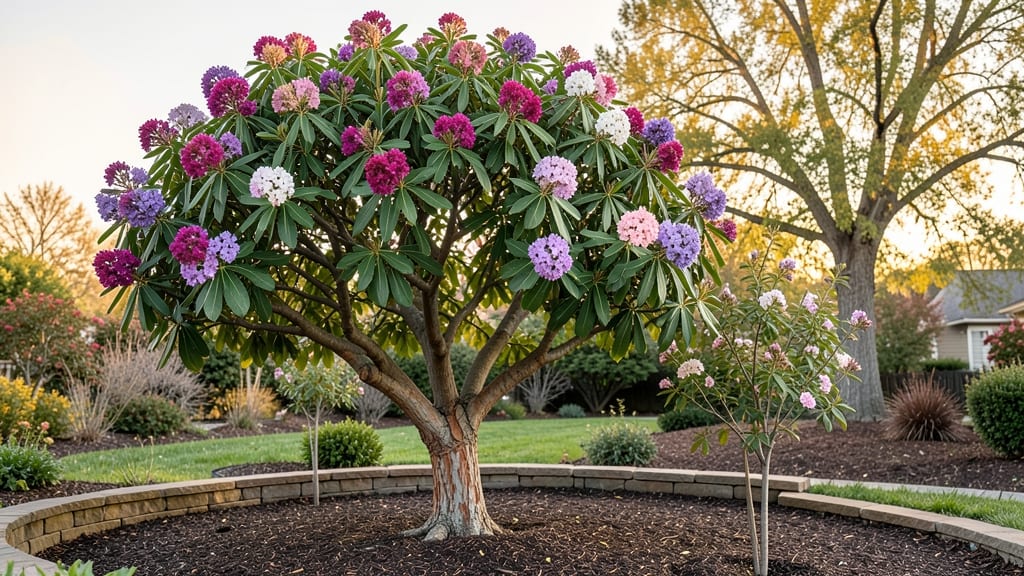
Wondering how tall does a crape myrtle grow before it becomes a backyard giant? This stunning 🌸 tree can range from a compact 6-foot shrub to a towering 30-foot specimen, depending on the variety you choose.
If you're planning your landscape but unsure which size fits your space, you're not alone. Crape myrtles offer something for every yard—whether you want a dwarf variety to edge your patio or a standard tree to create shade.
The key is understanding how quickly they grow and how to manage their height for that perfect look.
Let’s break down the height differences between popular varieties and share pro tips for controlling growth. From spacing guidelines to pruning techniques, you’ll learn how to keep your crape myrtle at just the right height for your garden’s needs.
Ready to find the perfect fit? Let’s dive into the varieties and care strategies that will help you enjoy these vibrant blooms without the surprises.


Crape myrtle height by variety: dwarf to giant tree options
Crape myrtles (Lagerstroemia) are famous for their show-stopping blooms and adaptable sizes, but their mature height varies dramatically depending on the variety. From compact shrubs perfect for small gardens to towering trees that become landscape focal points, choosing the right size starts with understanding your space and climate.
Let’s break down the height ranges and characteristics of the most popular crape myrtle varieties so you can pick the perfect fit for your yard.
The smallest crape myrtles, like the 'Natchez' or 'Dwarf Yaka', top out at just 6–12 feet, making them ideal for patio borders or foundation plantings. Meanwhile, standard varieties such as 'Muskogee' or 'Tonto' can reach 20–30 feet, rivaling the height of a two-story house.
Your choice will depend on whether you want a low-maintenance shrub or a statement tree.
Here’s how the most common crape myrtle varieties stack up in height, along with their ideal growing conditions and best uses:
| Variety | Mature Height | Spread | Best For | Sun Needs |
|---|---|---|---|---|
| Dwarf Yaka | 6–10 ft | 4–6 ft | Containers, small gardens | Full sun |
| Natchez | 8–12 ft | 5–7 ft | Foundation plants, borders | Full sun |
| Tonto | 15–20 ft | 10–12 ft | Medium yards, shade trees | Full sun |
| Muskogee | 20–30 ft | 12–15 ft | Large landscapes, focal points | Full sun |
| Sioux | 12–15 ft | 8–10 ft | Small to medium yards | Full sun |
| Catawba | 25–30 ft | 15–20 ft | Large properties, privacy screens | Full sun |
*All varieties thrive in USDA Zones 6–9 with well-draining soil.
When selecting a crape myrtle, consider not just height but also spread and growth rate. For example, the 'Sioux' variety grows 3–4 feet per year in ideal conditions, while 'Natchez' grows more slowly at 1–2 feet annually.
If you’re in a small urban yard, a dwarf variety like 'Dwarf Yaka' will save you from future pruning headaches. For rural properties with ample space,
Proper spacing and pruning for crape myrtle growth control
Choosing the right crape myrtle variety isn’t just about color—it’s about controlling height and preventing overgrowth. Even the tallest varieties (like Natchez at 25 feet) can be managed with proper spacing and pruning.
Start by planting your tree at least 5 feet away from sidewalks or structures to avoid root conflicts and allow airflow.
For dwarf varieties (like Centennial at 6 feet), a 3-foot spacing from other plants is ideal. This ensures they have room to breathe while still filling small spaces beautifully. Semi-dwarf varieties (such as Tonto at 12 feet) need 8-10 feet of clearance to avoid crowding nearby shrubs or hardscapes.
🌿
🌱 Spacing Guidelines by Variety
- Dwarf (3'-6'): 3'-5' spacing – Perfect for small yards or containers.
- Semi-Dwarf (6'-12'): 6'-8' spacing – Ideal for medium-sized gardens.
- Standard (12'-20'): 10'-15' spacing – Best for large landscapes or as focal points.
- Giant (20'+): 15'-20' spacing – Requires ample room to avoid shading out other plants.
✂️ Pruning Tips for Height Control
- Prune in late winter (just before buds swell) to shape the tree and encourage new growth.
- Avoid topping (cutting back to a stub)—this causes ugly regrowth and weakens the tree.
- Remove water sprouts (shoots growing straight up) to maintain a balanced shape.
- For taller varieties, prune selective branches to lower the canopy gradually.
Pruning isn’t just about height—it’s also about encouraging blooms. Crape myrtles flower on new wood, so pruning in late winter removes old, woody growth and stimulates fresh, flower-producing branches. Use clean, sharp pruners to cut just above a bud or branch collar to promote faster healing.
If you’re dealing with an overgrown crape myrtle, don’t panic. Start by thinning out dense areas to improve airflow, which reduces the risk of powdery mildew and other diseases.
For aggressive growers, consider structural pruning—training the tree to grow in a specific shape (like a vase or rounded form) to keep it manageable.
🪴
Remember, consistency is key. Prune your crape myrtle annually to maintain its size and shape, and always sterilize your tools between cuts to prevent the spread of disease. With the right spacing and pruning, even the tallest crape myrtles can fit beautifully into your landscape without overwhelming it.