
How To
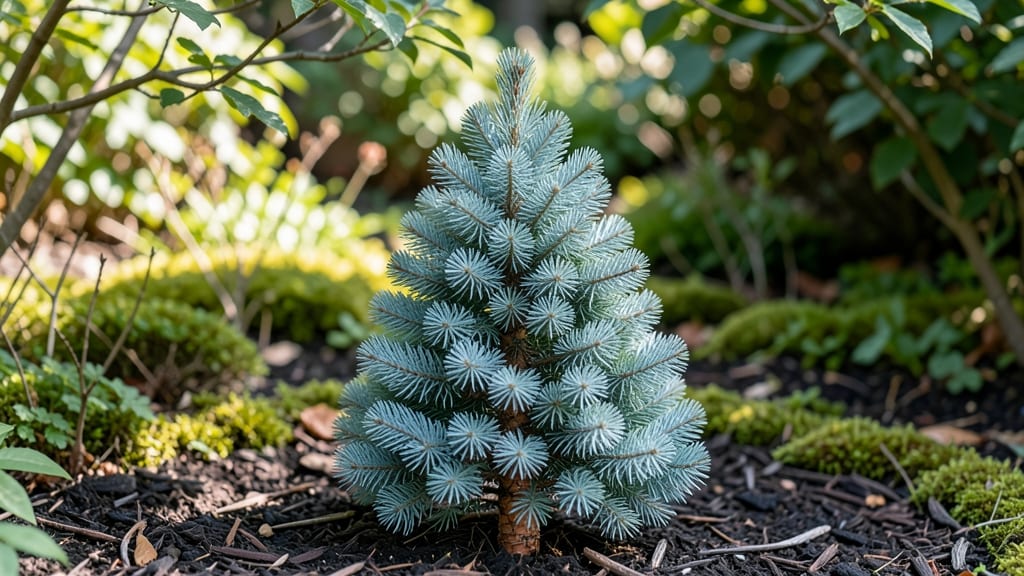
If you're wondering how tall does a dwarf Alberta spruce grow, the answer might surprise you—these tiny powerhouses pack big personality into surprisingly compact spaces. 🌲 Unlike their towering cousins, these evergreens stay manageable, with most varieties maxing out between 2 to 5 feet at maturity, making them perfect for small gardens, containers, or even as striking focal points.
But here's the catch: not all dwarf Alberta spruces are created equal. Some stay closer to 2 feet while others stretch toward 5 feet, and their growth rates vary too.
Whether you're planning a cozy backyard retreat or a container garden, knowing these details is key to picking the right variety for your vision—and avoiding those "oops, it's too big" moments.
In this guide, I'll break down exactly what to expect from each variety, plus the most common mistakes that can stunt growth. You'll also discover how to create the ideal conditions so your spruce thrives—and stays the perfect size for years to come.
Ready to find your perfect match? Let's dive into the numbers, tips, and tricks that'll help you choose with confidence.


Dwarf Alberta spruce mature height by variety: complete size chart
When planning your garden, knowing the exact mature height of a dwarf Alberta spruce is crucial—especially since "dwarf" can mean anything from 2 feet to 5 feet depending on the variety.
These trees are prized for their compact, symmetrical shape and year-round evergreen foliage, but their growth rates vary widely. Some varieties grow just 1 inch per year, while others reach maturity faster.
Let’s break down the most popular varieties and their final heights to help you choose the perfect fit.
Not all dwarf Alberta spruces are created equal. The Picea glauca 'Conica', the classic "dwarf Alberta spruce," typically matures between 4 to 5 feet tall with a spread of 2 to 3 feet.
However, other varieties like 'Little Gem' stay under 2 feet tall, making them ideal for containers or small gardens. Below, I’ve compiled a size chart of the top 10 varieties to simplify your decision-making process.
| Variety | Mature Height | Spread | Growth Rate | Best For |
|---|---|---|---|---|
| 'Conica' | 4-5 ft | 2-3 ft | 1-2 in/year | Landscaping focal point |
| 'Little Gem' | 2-3 ft | 1-2 ft | 1 in/year | Containers, small gardens |
| 'Globe Blue' | 3-4 ft | 2-3 ft | 1.5 in/year | Rock gardens, borders |
| 'Baby Blue' | 2-3 ft | 1.5-2 ft | 1 in/year | Bonsai-style gardens |
| 'Pendula' | 3-4 ft | 4-5 ft (spreading) | 1.5 in/year | Ground cover, slopes |
| 'Globe' | 2-3 ft | 2-3 ft | 1 in/year | Hedges, foundation planting |
| 'Hot Spot' | 3-4 ft | 2-3 ft | 1.5 in/year | Color contrast gardens |
| 'Blue Carpet' | 2-3 ft | 3-4 ft (spreading) | 1 in/year |
How to choose the right dwarf Alberta spruce for your spaceSelecting the perfect dwarf Alberta spruce for your garden starts with understanding your space constraints and lighting conditions. Not all dwarf varieties reach the same height—some stay under 3 feet, while others grow to 5 feet or more. Your choice should align with your landscape design, whether you're aiming for a container centerpiece or a foundation plant along a walkway. For example, the Picea glauca 'Conica' (classic dwarf Alberta spruce) typically matures between 4-5 feet tall and 3-4 feet wide, making it ideal for medium-sized gardens or as a standalone specimen. If you're working with limited space, varieties like 'Little Gem' or 'Globe' stay under 3 feet and are perfect for patio pots or small yards. 🌲 Numbered Highlights: 5 Critical Factors to Consider
Another key consideration is your climate zone. Dwarf Alberta spruces thrive in USDA Zones 3-7, but colder climates may slow growth during winter. If you're in a warmer zone (Zone 8+), opt for varieties like 'Pendula', which handles heat better than others. Always check the spread width too—some varieties grow wider than they do tall, which can affect placement near fences or sidewalks. Pro tip: If you're unsure, start with a smaller variety like 'Baby Blue' (matures at 2-3 feet) and upgrade later if your garden expands. These trees are long-lived, so choosing the right one upfront saves time and effort down the road. For urban gardens, consider columnar varieties like 'Columnaris', which grow tall but stay narrow (2-3 feet wide). Finally, think about the visual impact. Dwarf Alberta spruces add year-round color and texture, but their blue-green needles may clash with certain foliage. Pair them with silver foliage plants (like lamb’s ear) or bright flowers (like tulips) to create contrast. Always plant them where their natural shape can be appreciated—avoid overcrowding with other shrubs. With these factors in mind, you'll find the perfect dwarf Alberta spruce to complement your garden's style and size—without the guesswork. Happy planting! 🪴 |