
How To
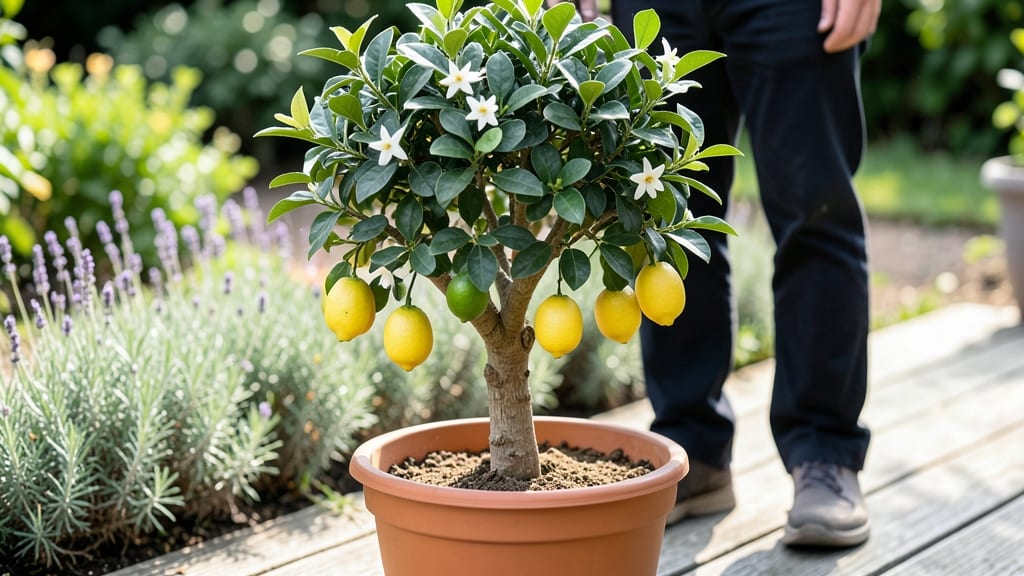
If you're wondering "how tall does a dwarf lemon tree grow", the answer might surprise you—these citrus stars stay remarkably compact, often reaching just 3 to 6 feet at maturity, making them perfect for patios, balconies, or even sunny kitchen windowsills.
Unlike their full-sized cousins that tower over 20 feet, true dwarf varieties like the Meyer lemon (Citrus × limon) are bred to remain manageable while still producing abundant fruit.
With the right care, you can keep them even smaller, ensuring they fit your space without sacrificing productivity.
But here’s the catch: not all "dwarf" trees are created equal. Some marketed as "dwarf" can still grow 8 feet or more—so knowing the exact variety and growth habits is key.
I’ll break down the differences and share pro tips for pruning and container care to keep your 🍋 tree at your ideal height.
Whether you're a first-time gardener or a citrus enthusiast, you’ll learn how to nurture a dwarf lemon tree that stays small, thrives, and keeps delivering those sweet, tangy lemons year after year—without the space constraints of a full-grown tree.


Dwarf lemon tree height guide: exact growth ranges by variety
When choosing a dwarf lemon tree, size expectations can vary dramatically between varieties—even those labeled "dwarf." Most true dwarf varieties stay between 3 to 6 feet tall at maturity, while others marketed as "compact" may reach 8 feet if unpruned.
Understanding these differences helps you select the perfect fit for your container garden or patio space.
For example, the Meyer lemon tree, often called a dwarf variety, typically grows 6 to 8 feet tall with proper care. Meanwhile, the Improved Meyer lemon—a hybrid—stays slightly shorter at 5 to 7 feet.
These distinctions matter if you’re limited to a 5-gallon container or a small balcony.
The confusion often arises because nurseries use the term "dwarf" loosely. Some varieties are semi-dwarf and may need pruning to stay compact. Always check the mature height label before purchasing, as this determines whether your tree will thrive in a hanging basket or require a larger pot.
True dwarf varieties like the Ponderosa lemon (a hybrid) often max out at 4 to 5 feet, making them ideal for indoor growing near a sunny window. However, even these can grow taller if given optimal conditions, so regular height maintenance is key.
Below is a detailed comparison of popular dwarf lemon varieties, including their mature heights, growth rates, and ideal spacing for containers or ground planting. This will help you visualize which size fits your space and care routine.
| Variety | Mature Height | Growth Rate | Ideal Spacing (Container/Ground) | Best For |
|---|---|---|---|---|
| Meyer Lemon | 6–8 ft | 1–2 ft/year | 15–20 gal container / 6 ft ground spacing | Patios, large containers |
| Improved Meyer Lemon | 5–7 ft | 1 ft/year | 10–15 gal container / 5 ft ground spacing | Small patios, balconies |
| Ponderosa Lemon | 4–5 ft | 6–12 in/year | 5–10 gal container / 4 ft ground spacing | Indoor growing, small spaces |
| Four Seasons Lemon | 6–8 ft | 1–2 ft/year | 15–20 gal container / 6 ft ground spacing | Year-round fruit production |
| Dwarf Eureka Lemon | 5–6 ft | 8–12 in/year | 10–15 gal container / 5 ft ground spacing | High-yield small spaces |
If you’re growing your dwarf lemon tree in a container, remember that root space directly impacts height. A 15-gallon pot can accommodate a 6-foot tree, but a 5-gallon pot will stunt growth to 3–4 feet.
Always choose a container at least 12 inches wider than the tree’s current trunk spread to prevent root binding, which can stress the plant and reduce fruit production.
For ground planting, space your dwarf lemon tree 5 to 6 feet apart to allow airflow and prevent disease. In smaller gardens, you can plant two trees closer together (3–4 feet apart) if you prune them regularly to maintain their compact shape.
Just avoid overcrowding, as this can lead to pests or nutrient competition.
One common misconception is that all dwarf lemon trees stay under 3 feet. While some varieties like the Ponderosa lemon can be kept at this height with aggressive pruning, most will naturally grow taller unless you actively manage their size.
If you’re aiming for a true miniature tree, consider grafting a lemon variety onto a dwarfing rootstock, which can keep the tree under 4 feet even with minimal pruning.
For those in colder climates (Zones 6–8), dwarf lemon trees may need winter protection, such as moving containers indoors or wrapping the trunk with burlap. This extra care can slow growth slightly but ensures the tree survives to produce fruit for years.
Always monitor your tree’s height after winter to adjust pruning plans accordingly.
🍋
How to control dwarf lemon tree height naturally (pruning & care tips)
Keeping your dwarf lemon tree at its ideal height requires a mix of pruning techniques and proper care. While these trees are naturally compact, they can grow taller than expected if left unchecked.
I’ve found that regular pruning in late winter or early spring—just before new growth begins—helps maintain a manageable size while encouraging bushier growth and better fruit production.
Start by removing any dead or diseased branches first. These are easy to spot—they’re often brown, brittle, or lacking leaves. Next, trim back any overly long branches to shape the tree and prevent it from becoming top-heavy.
Aim to keep the height between 3 to 5 feet for the most manageable size, especially if growing in a container.
🪴 Step-by-Step Pruning Guide for Dwarf Lemon Trees
- Timing: Late winter/early spring (before new growth)
- Tools: Clean, sharp pruners (sterilize with rubbing alcohol)
- Step 1: Remove dead/diseased branches first
- Step 2: Trim back 1/3 of current growth to encourage bushiness
- Step 3: Shape the tree by cutting branches at a 45-degree angle above a leaf node
- Step 4: Prune lightly after harvest to maintain size
Another key factor in controlling height is container size. If growing in a pot, choose one that’s only slightly larger than the tree’s root ball—typically 15-20 gallons for a mature dwarf lemon.
Smaller containers naturally restrict root growth, which in turn limits how tall the tree can grow. Just ensure the pot has drainage holes to prevent root rot, a common issue with citrus trees.
Don’t forget about light exposure—while dwarf lemon trees thrive in full sun (6+ hours daily), too much shade can cause leggy growth as the tree stretches toward light. Place your tree near a south-facing window if indoors or in a sunny patio spot outdoors.
If you notice the tree growing too tall too quickly, it might be getting insufficient light, prompting it to reach upward.
For indoor growers, supplement natural light with a grow light during winter months when daylight is limited. I use a full-spectrum LED grow light for 12-14 hours daily to keep my dwarf lemon tree healthy and compact.
This extra light also helps prevent the tree from becoming etiolated—those long, weak stems that signal poor light conditions.
Finally, fertilizing properly plays a role in height control. Over-fertilizing with nitrogen-heavy mixes can lead to rapid, but weak, growth. Instead, use a balanced citrus fertilizer (8-3-9 NPK) every 4-6 weeks during the growing season.
Reduce feeding in fall and winter to encourage dormancy, which helps maintain a more manageable size year-round.
With these tips, you’ll keep your dwarf lemon tree at a perfect height—ready to produce lemons without taking over your space! 🍋