
How To
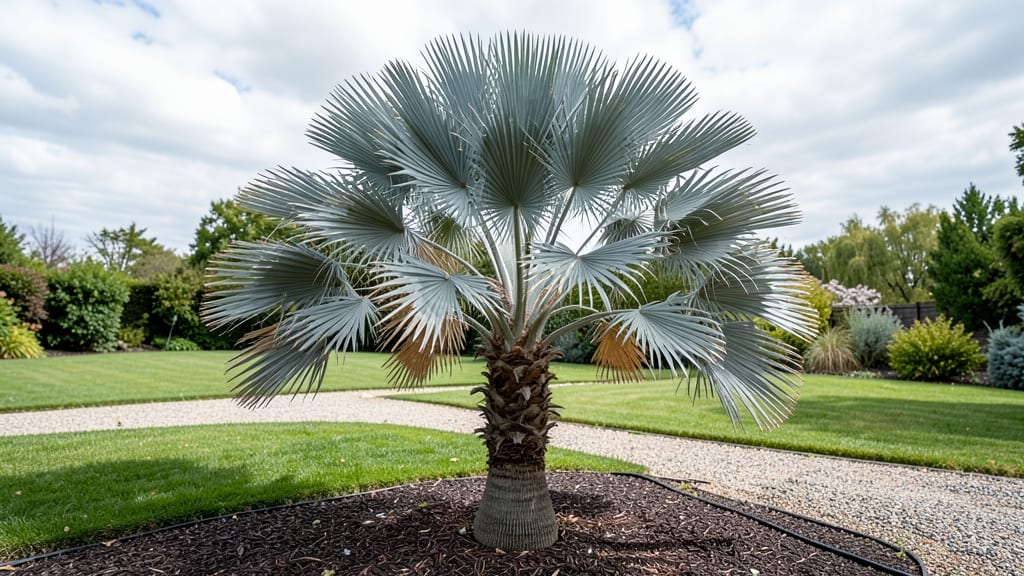
If you're wondering how tall does a foxtail palm grow, the answer might surprise you—this stunning 🌴 can reach heights of 15 to 20 feet when planted in the ground, but with the right care, you can keep it much smaller.
Whether you're dreaming of a tropical statement piece or a manageable container plant, understanding its growth potential is key to making it thrive in your space.
Native to Australia's dry rainforests, the foxtail palm adapts beautifully to various climates, including USDA Zone 6a with proper protection. Its growth rate varies by season, but with full sun and well-draining soil, you'll see noticeable height gains each year—especially during the spring planting window of April to May.
The key to controlling its size lies in where and how you plant it.
For ground planting, expect it to spread its wings—literally—with a mature spread of 10 to 15 feet, making it a showstopper in larger gardens. But if you're working with limited space, container growing is your best bet.
With the right pot size and pruning techniques, you can keep it at a more manageable 10 feet or less, perfect for patios or balconies.
Ready to unlock the secrets to managing its height? I’ll walk you through everything from choosing the right container to pruning tips that keep your foxtail palm looking its best—no matter how tall you want it to grow.


Foxtail palm mature height: ground-planted growth expectations and space requirements
When planted in the ground, a mature foxtail palm (Wodyetia bifurcata) typically reaches 15 to 20 feet tall, with some specimens exceeding 25 feet in ideal tropical conditions. This striking palm grows fastest in USDA zones 9-11, where it thrives year-round with minimal stress.
In cooler climates like zone 8 or 7, growth slows significantly, often capping at 10 to 15 feet due to seasonal dormancy.
The spread of a foxtail palm is nearly as impressive as its height, with a 10 to 15-foot canopy at maturity. This means you’ll need ample space (at least 15 feet in diameter) to accommodate its full size without crowding other plants.
In tight spaces, consider pruning to maintain a neater, more compact shape while still enjoying its tropical beauty.
One of the most exciting aspects of this palm is its growth rate. In perfect conditions, a foxtail palm can grow 2 to 3 feet per year during its first decade.
By year 5, it may already stand 8 to 10 feet tall, making it a quick addition to any landscape. However, growth slows as the palm matures, with the most dramatic height gains occurring in the first 10 years of life.
Sunlight is the single biggest factor influencing how tall your foxtail palm will grow. In full sun (6+ hours daily), it reaches its maximum height potential. But in partial shade, growth can be stunted, with heights often 50% smaller than expected.
If you’re in a cooler climate, supplement with a microclimate (like a sunny wall) to extend the growing season.
Soil drainage plays a critical role in determining both height and longevity. Foxtail palms hate soggy roots and will grow poorly—or even die—if planted in clay-heavy or waterlogged soil.
Amend native soil with sand or compost to improve drainage, and always plant in a slightly elevated area to prevent water pooling around the roots.
Here’s what you can expect in terms of trunk thickness as your palm matures: A healthy foxtail palm develops a thick, fibrous trunk that can reach 12 to 18 inches in diameter at the base.
This trunk is not woody like a tree but rather a dense cluster of old leaf bases, which adds to its unique, architectural appeal.
If you’re planning to plant a foxtail palm in your front yard or near a walkway, consider its mature height and spread carefully. A palm this size can overshadow smaller plants and may even interfere with power lines or roof overhangs if planted too close to structures.
Always measure the available space and leave room for future growth.
In regions with frost risk (zones 7-8), growth may halt or reverse slightly during winter months. However, the palm itself is not killed by light frost—it simply enters a dormant phase until temperatures warm again.
This dormancy can temporarily stunt height gains but doesn’t permanently limit the palm’s potential.
🌱 Foxtail Palm Ground-Planted Growth Summary
| Growth Factor | Details | Notes |
|---|---|---|
| Mature Height | 15–20 ft | Zones 9–11 |
| Spread | 10–15 ft | Canopy width |
| Trunk Diameter | 12–18 in | Fibrous, not woody |
| Growth Rate (Young) | 2–3 ft/year | First 10 years |
| Sunlight Needs | 6+ hours/day | Full sun = max height |
| Soil Type | Well-draining | Avoid clay |
To ensure your foxtail palm reaches its full height potential, focus on three key care practices: full-sun exposure, well-draining soil, and regular pruning to remove dead fronds.
Pruning not only keeps the palm looking neat and healthy but also redirects energy to new growth, encouraging taller, fuller development over time.
If you’re unsure whether your space can accommodate a full-sized foxtail palm, start with a young specimen (3–5 feet tall) and monitor its growth for a year. This gives you a realistic preview of how it will fill out in your specific climate and soil conditions.
With the right care, your foxtail palm could become
Foxtail palm mature height: ground-planted growth expectations and space requirements
When planted directly in the ground, a mature foxtail palm (Wodyetia bifurcata) typically reaches heights of 15 to 20 feet under ideal conditions. This tropical beauty grows as a small tree with a single, slender trunk that can reach 6 to 8 inches in diameter at maturity.
The crown spread is equally impressive, with fronds extending 8 to 12 feet wide, creating a stunning focal point in any landscape.
One of the most exciting aspects of growing a foxtail palm is its rapid growth rate during its first decade. In optimal climates—like USDA Zones 9b to 11—it can grow 2 to 3 feet per year in its youth, reaching 10 feet tall by age 5.
However, growth slows as it matures, with height increases tapering off after 10 years of age. This means your palm will spend most of its adult life in that 15- to 20-foot range.
Here’s what you need to know about its space requirements and how to plan for it. In-ground planting demands careful consideration of your yard’s layout, especially if you’re aiming for a tropical oasis feel.
The palm’s spreading fronds and eventual height mean it needs at least 10 feet of clearance in all directions from structures, sidewalks, or other plants.
| Growth Stage | Height Range | Spread | Trunk Diameter |
|---|---|---|---|
| Seedling (Year 1) | 2–4 ft | 1–2 ft | 0.5 in |
| Juvenile (Year 5) | 10–12 ft | 6–8 ft | 2–3 in |
| Mature (10+ Years) | 15–20 ft | 8–12 ft | 6–8 in |
Your foxtail palm’s height can vary significantly based on climate and sunlight exposure. In cooler regions like Zone 9b, growth may be slower, with mature heights often clustering around 12 to 15 feet.
Conversely, in Zone 10 and above, where temperatures stay consistently warm, palms can reach the upper end of the 20-foot range. Full sun exposure (6+ hours daily) is non-negotiable—without it, your palm may grow leggy and weak, with fronds reaching upward instead of outward.
To encourage optimal growth, focus on well-draining soil mixed with compost to provide nutrients. Avoid heavy clay soils, which can lead to root rot and stunt growth.
Additionally, regular watering during the first few years helps establish a strong root system, but once mature, foxtail palms are drought-tolerant once established. Mulching around the base with organic matter also helps retain moisture and regulate soil temperature.
If you’re planning to plant near a patio or driveway, consider the palm’s eventual size. A 15-foot palm can cast a wide shadow, which may affect nearby plants or create cooler microclimates.
To manage height naturally, you can prune older fronds to encourage bushier growth, though this won’t drastically reduce overall height.
For those in colder climates (Zone 8a), expect slower growth or stunted height—this palm thrives in warmth, so container growing may be a better option if you live outside its ideal range.
Remember, the foxtail palm’s height isn’t just about aesthetics—it’s also about creating a low-maintenance tropical vibe in your outdoor space. With the right conditions, it becomes a long-lived centerpiece that requires minimal care once established.
Just give it space, sun, and a little TLC, and it’ll reward you with years of lush, dramatic foliage.