
How To
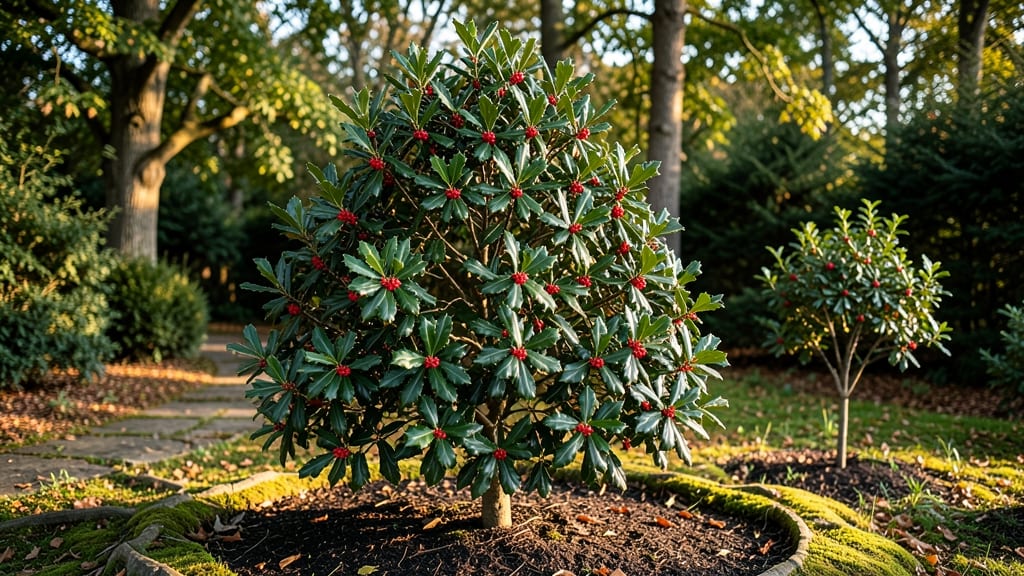
If you're wondering "how tall does a holly tree grow", the answer might surprise you—these evergreen beauties can range from compact shrubs to towering giants that reach 60 feet or more.
Whether you're dreaming of a lush privacy screen or a delicate ornamental accent, choosing the right variety is key to getting the height you want.
Holly trees like the American holly (Ilex opaca) 🌳 often grow between 15-30 feet at maturity, while dwarf varieties stay under 10 feet, making them perfect for smaller gardens.
The difference comes down to species, growing conditions, and pruning habits—so let's break down what you need to know to pick the perfect holly for your space.
Growth rates vary too: some holly trees grow just 6-12 inches per year, while others shoot up 2 feet annually when given ideal care. Sunlight, soil quality, and even your climate zone (like USDA Zone 6a) play a role in how tall your holly will become over time.
Ready to transform your landscape? I'll show you how to select the right holly variety, manage its growth, and create stunning hedges or statement trees—no matter how much (or little) space you have.


Holly tree height by variety: from dwarf to towering giants
Holly trees come in stunning diversity, with some varieties staying small enough for containers while others grow into towering giants. The American holly (Ilex opaca) is the most common species in North America, typically reaching 30 to 60 feet at maturity, but dwarf cultivars can stay under 10 feet.
Knowing these height variations helps you choose the perfect holly for your space.
For example, the Sky Pencil® holly grows just 10 to 15 feet tall, making it ideal for narrow spaces, while the Burford holly can stretch up to 25 feet and is perfect for hedges or privacy screens.
Each variety has unique growth habits, so let’s break down the most popular options.
🌳 Visual Guide: Holly Tree Height Comparison
The Sky Pencil® holly is a standout for urban gardeners due to its slender, upright form and slow growth rate. This variety thrives in tight spaces and even works well in large containers, making it perfect for patios or small yards.
Its 10-15 foot height ensures it won’t overwhelm your outdoor space while still providing year-round structure and glossy foliage.
If you’re aiming for a privacy screen, the Burford holly is a top choice, reaching 15-25 feet with dense branching. Its dark green leaves and bright red berries add seasonal interest, while its moderate growth rate means you won’t have to wait decades for a full barrier.
For a more dramatic look, the Blue Prince holly can grow up to 30 feet and is ideal for larger properties or woodland-style gardens.
Dwarf varieties like the Dwarf English holly are perfect for borders or foundation plantings, staying under 12 feet tall. These compact options are also great for topiary projects, allowing you to shape them into formal designs like spirals or cones.
Their slower growth means less maintenance, but they still deliver the classic holly look with minimal space.
When selecting a holly tree, consider not just its mature height but also its growth rate and spread. Some varieties, like the American holly, can grow 2 feet per year in ideal conditions, while others like Sky Pencil® grow just 0.5 feet annually.
This difference impacts how quickly you’ll achieve your desired landscape effect.
For example, if you’re planting a holly as a specimen tree, a taller variety like Blue Prince will create a bold focal point in your yard.
However, if you’re using it as a hedge or border plant, a shorter variety like Dwarf English holly will require less frequent pruning and fit neatly into smaller spaces. Always measure your space and choose a variety that aligns with your long-term vision.
🌿
Holly tree height by variety: from dwarf to towering giants
When selecting a holly tree, the mature height is one of the first factors to consider. Some varieties stay under 10 feet, perfect for small yards, while others reach 60 feet, ideal for privacy screens or woodland gardens.
The key lies in choosing the right species and cultivar for your space and needs.
Holly trees belong to the Ilex genus, with hundreds of species and cultivars. The most popular types—American Holly (Ilex opaca), English Holly (Ilex aquifolium), and their hybrids—offer dramatic height variations.
For example, dwarf hollies like 'Sky Pencil' stay under 15 feet, while standard varieties like 'Southern Magnolia Holly' can tower over 50 feet.
| Variety | Mature Height | Growth Rate | Best For |
|---|---|---|---|
| American Holly (Ilex opaca) | 30–60 ft | Slow to moderate | Privacy screens, large landscapes |
| English Holly (Ilex aquifolium) | 15–40 ft | Moderate | Hedges, ornamental gardens |
| 'Sky Pencil' Holly | 8–15 ft | Very slow | Small gardens, containers |
| 'Dwarf Burford' Holly | 6–10 ft | Slow | Urban gardens, hedges |
| 'Blue Princess' Holly | 12–15 ft | Moderate | Colorful hedges, mixed borders |
If you’re aiming for a compact holly tree, consider dwarf cultivars like 'Blue Princess' or 'Dwarf Burford', which thrive in containers or small gardens. For privacy screens, taller varieties like American Holly or English Holly are unbeatable, offering year-round structure and vibrant berries for wildlife.
Another factor to consider is the growth rate. Most holly trees grow slowly, adding only 12–24 inches per year, but some fast-growing hybrids can reach 3 feet annually. This means a 10-foot holly may take 5–10 years to mature, depending on the variety and growing conditions.
For gardeners with limited space, pruning young hollies can help control height. Regular pruning in late winter or early spring encourages bushier growth and prevents overgrowth. Just avoid heavy pruning in fall, as it can stimulate tender new growth that may be damaged by frost.
Whether you’re dreaming of a towering sentinel or a neat hedge, choosing the right holly variety ensures your landscape goals align with its mature size. Always check the specific cultivar before planting, as even within the same species, heights can vary dramatically.