
How To
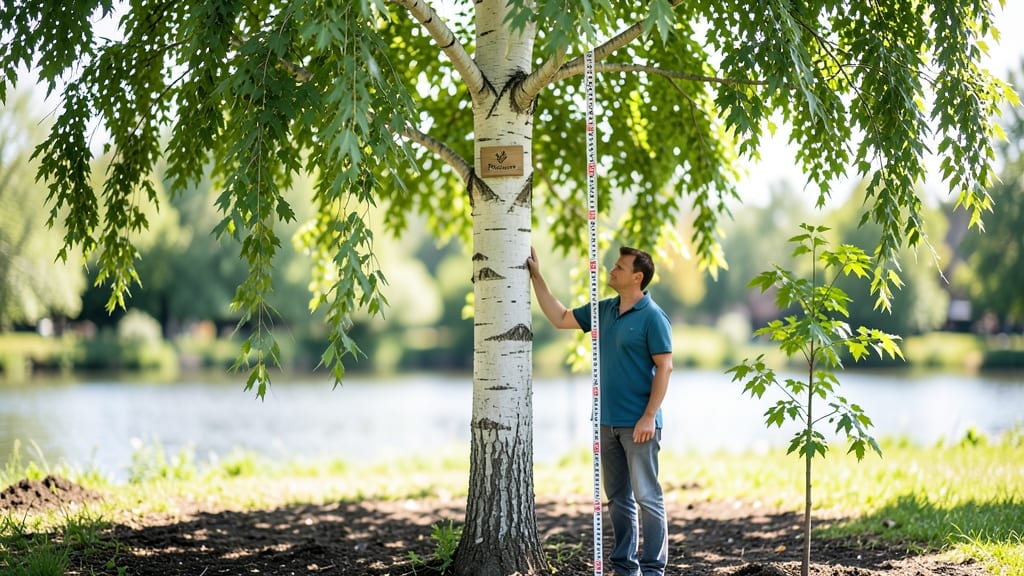
If you’ve ever wondered how tall does a poplar tree grow, you’re not alone—these towering 🌳 giants can reach heights that dwarf even the tallest buildings, but not all varieties demand the same space.
While some poplars stretch toward the sky at 100+ feet, others stay compact enough for smaller yards or urban landscapes, making them surprisingly versatile for the right spot.
The key to choosing the perfect poplar lies in understanding their growth habits. Some species, like the fast-growing cottonwood, can shoot up 50–75 feet in just a few decades, while others—like the elegant Lombardy poplar—top out around 30–50 feet with a slender, columnar shape.
Whether you’re working with a sprawling backyard or a tight city lot, there’s a poplar variety that fits your needs without sacrificing that iconic height.
But here’s the catch: poplars aren’t just about height—they’re also about speed and adaptability. Many grow 3–5 feet per year in ideal conditions, meaning you could see dramatic changes in just a few seasons.
If you’re planting in USDA Zone 6a, timing matters too—spring is the best window to get them established before summer’s heat sets in.
In this guide, I’ll break down the tallest (and shortest) poplar varieties, how to control their growth with pruning, and which species thrive in limited spaces.
By the end, you’ll know exactly which poplar will suit your landscape—whether you want a shade canopy or just a graceful accent that doesn’t overpower your yard.


Poplar tree height comparison: fast-growing giants vs. space-saving varieties
Poplar trees are famous for their rapid growth and towering heights, but not all varieties reach for the sky. While some species like cottonwood poplars can soar to 100+ feet, others like dwarf poplars stay under 25 feet—perfect for smaller yards.
Understanding these differences helps you choose the right tree for your space without sacrificing beauty or shade.
If you’re working with a small urban garden or tight suburban lot, you’ll want to focus on compact poplar varieties that still deliver fast growth and striking foliage.
Meanwhile, larger landscapes can accommodate the monumental heights of classic poplars like the eastern cottonwood, which can grow 75-100 feet in ideal conditions.
🌳
The Lombardy poplar is a popular middle-ground option, offering narrow, columnar growth that reaches 30-50 feet while staying slender enough for tight spaces. Its fast growth rate makes it ideal for creating quick privacy screens or dramatic vertical accents in gardens.
For truly compact options, look for dwarf poplar hybrids like Populus × canescens, which max out at 15-25 feet but still deliver the signature poplar golden foliage and rapid growth. These are perfect for small urban backyards or even large containers.
If you’re planting near power lines or other structures, always check local regulations—some areas restrict tall poplar species due to their aggressive root systems and potential to interfere with underground utilities. A dwarf variety can be a safe, space-conscious alternative.
🌿
One key factor in poplar height is soil moisture. Poplars thrive near water sources and can grow 30-50% faster in moist, well-drained soil compared to dry conditions.
If your yard has clay-heavy soil, consider amending with compost or planting in a raised bed to encourage healthier, more controlled growth.
When selecting a poplar, also consider its foliage color. Some varieties like the silverleaf poplar (Populus alba) feature silvery-white leaves that contrast beautifully with darker green poplars. This can influence your height choices—taller varieties often have more dramatic foliage displays.
🪴
Remember that even dwarf poplars will eventually reach their mature height, so plan for long-term spacing. Give smaller varieties at least 10-15 feet of clearance from structures, while larger species need 30-50 feet of open space to avoid root conflicts with foundations or sidewalks.
Poplar tree height comparison: fast-growing giants vs. space-saving varieties
Poplar trees are famous for their rapid growth, but not all varieties reach the same sky-high heights. While some species like cottonwood poplars can soar to 100+ feet, others like dwarf poplars stay under 30 feet—making them perfect for smaller yards.
Understanding these differences helps you choose the right tree for your space without sacrificing beauty or shade.
Most poplar trees grow 3-6 feet per year in ideal conditions, but their mature height varies dramatically. For example, the Lombardy poplar (Populus nigra ‘Italica’) typically reaches 40-60 feet, while cottonwoods can exceed 75 feet.
If you’re working with limited space, hybrid varieties like ‘Nancy Kay’ or ‘Eugene’ offer a more manageable 20-30 feet height.
| Variety | Mature Height | Growth Rate | Best For |
|---|---|---|---|
| Lombardy Poplar (Populus nigra ‘Italica’) | 40–60 ft | 3–6 ft/year | Privacy screens, large yards |
| Cottonwood (Populus deltoides) | 50–100+ ft | 4–8 ft/year | Riversides, open fields |
| Black Poplar (Populus nigra) | 60–80 ft | 3–5 ft/year | Woodland edges, large properties |
| Dwarf Poplar (Populus × canescens) | 15–25 ft | 2–4 ft/year | Small yards, urban gardens |
| ‘Nancy Kay’ Poplar (Populus × canescens) | 20–30 ft | 2–3 ft/year | Container growing, patios |
When selecting a poplar, consider not just height but also spread and root systems. For instance, cottonwoods develop wide canopies and invasive roots, while Lombardy poplars have narrower forms but still require 20+ feet of clearance.
If your yard is tight, dwarf varieties like ‘Eugene’ or ‘Robusta’ are excellent choices, offering fast growth without overwhelming your space.
Another key factor is pruning needs. Poplars like Lombardy poplars benefit from annual pruning to maintain their columnar shape, while cottonwoods may need regular thinning to control height. Always prune in late winter or early spring before new growth begins to avoid stressing the tree.
For urban gardeners, container-growing poplars like ‘Nancy Kay’ are game-changers. These varieties thrive in large pots (3+ feet deep) and can be pruned to stay under 15 feet tall. Just ensure the container has drainage holes and use a well-draining potting mix to prevent root rot.
If you’re unsure which poplar fits your space, start with smaller varieties like ‘Robusta’ or ‘Eugene’. They deliver fast shade and minimal maintenance while keeping your landscape manageable. Just remember: poplars are aggressive growers, so always plant them with plenty of space—even the "dwarf" varieties!