
How To
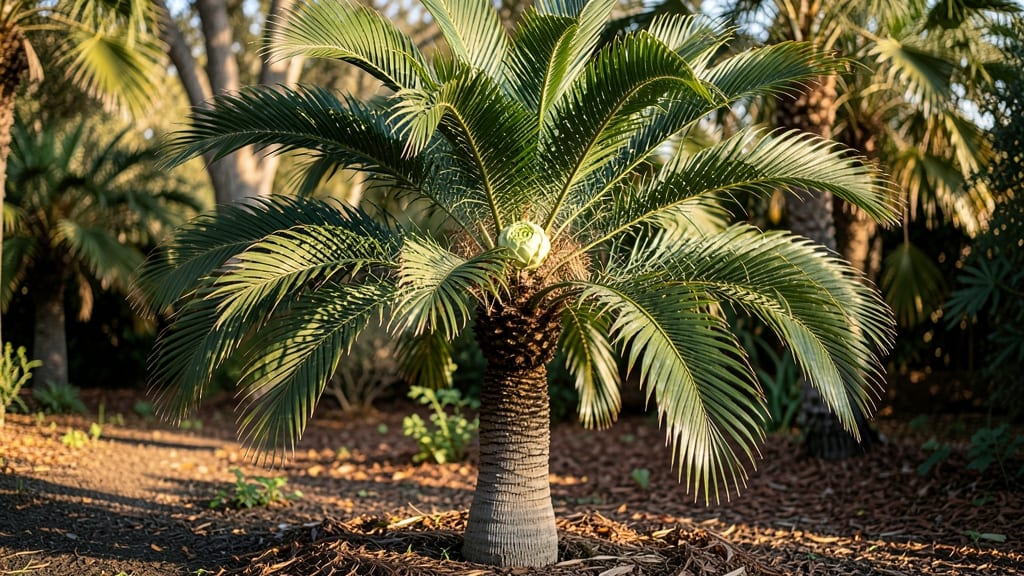
Wondering how tall does a queen palm grow before it becomes a towering presence in your landscape? This elegant 🌴 can shoot up to 30 feet or more under ideal conditions, making it a statement piece—but only if you plan for its rapid growth.
If you're considering adding one to your yard, knowing its potential height is the first step to avoiding future headaches. Queen Palms thrive in USDA Zones 10-11, where they grow fastest, but even in milder climates, they can reach 20 feet within a decade.
The key? Proper spacing and care from the start.
In this guide, I’ll break down exactly how tall different varieties grow, how quickly they reach maturity, and what you can do to manage their height if needed.
Whether you're dreaming of a lush tropical oasis or just want to avoid a palm that outgrows your space, you’ll find all the details here.
Let’s dive into the numbers—because the last thing you want is a surprise skyscraper where your patio used to be!


Queen Palm tree height by variety: exact growth ranges and mature sizes
The Queen Palm (Syagrus romanzoffiana) is a tropical showstopper, but its mature height can vary dramatically depending on the variety and growing conditions. On average, standard Queen Palms reach 20–30 feet tall with a 10–15 foot spread, but some cultivars stay shorter.
Knowing these specifics helps you plan spacing, pruning, and landscaping for a stunning (and manageable) tropical oasis.
Climate plays a huge role in height—warmer zones (USDA 10–11) produce faster, taller growth, while cooler microclimates may limit height to 15–20 feet.
For example, a Queen Palm in Miami (Zone 11) might hit 30 feet in 15 years, while one in San Diego (Zone 10) could max out at 25 feet.
Always check your local frost risk—this palm is not cold-hardy and will die back if temps drop below 20°F.
Here’s how the most popular Queen Palm varieties compare in height and growth habits:
| Variety | Mature Height (ft) | Spread (ft) | Growth Rate | Best For |
|---|---|---|---|---|
| Standard Queen Palm | 20–30 ft | 10–15 ft | Fast (3–5 ft/year) | Large landscapes, privacy screens |
| 'Tropical' Queen Palm | 25–35 ft | 12–18 ft | Very Fast (4–6 ft/year) | Tropical climates, coastal areas |
| 'Robusta' Queen Palm | 18–25 ft | 8–12 ft | Moderate (2–4 ft/year) | Urban gardens, smaller yards |
| 'Mini Queen' (Dwarf) | 10–15 ft | 6–10 ft | Slow (1–2 ft/year) | Containers, patios, small spaces |
Notice the 'Mini Queen' variety—often marketed as a dwarf palm, but it still reaches 10–15 feet at maturity. If you’re working with limited space, this is your best bet, but don’t expect a potted plant.
Even in containers, it’ll outgrow most patios within 5–7 years. For true small-scale options, consider the Pygmy Date Palm (Phoenix roebelenii), which stays under 6 feet.
Spacing is critical to avoid root competition and overcrowding. Plant Queen Palms at least 10–15 feet apart for standard varieties, or 8–10 feet for the 'Robusta' type. If using them as windbreaks or privacy screens, space them 5–7 feet apart in rows.
Remember, their canopy spreads wider than their height, so plan accordingly to avoid shading out other plants.
Soil type also influences height—well-draining, sandy loam with organic matter promotes faster growth, while clay-heavy soil can stunt a Queen Palm to 15–20 feet even in warm climates. Always amend native soil with compost or palm-specific fertilizer (like 6-6-6 NPK) to encourage vigorous growth.
Avoid waterlogged conditions—root rot is a silent killer that slows height gains dramatically.
If you’re in a cooler microclimate (Zone 9), expect slower growth—5–8 feet in 5 years instead of 10–15 feet. In these areas, winter protection (like burlap wraps) can help the palm survive mild frosts, but it won’t boost height.
For maximum growth, pair your Queen Palm with full sun exposure (6+ hours daily) and consistent moisture—these two factors are non-negotiable for reaching its full tropical potential.
Pro tip: Track your palm’s height annually with a measuring tape
Queen Palm growth stages: height progression from seedling to mature tree
Understanding how your Queen Palm grows over time is key to planning its space and care. From a tiny seedling to a towering mature tree, this tropical beauty follows predictable stages—each with its own height milestones.
Let’s break down what to expect year by year, so you can track progress and adjust your landscaping accordingly.
In its first year, a Queen Palm starts small but grows surprisingly fast. Expect heights between 2–4 feet, with fronds unfurling like a fan. This is the perfect time to monitor soil moisture and ensure it gets full sun exposure to fuel early growth.
Without proper care, growth can stall, but with ideal conditions, it’ll surge ahead.
By year two, your Queen Palm will shoot up to 5–8 feet, establishing its iconic shape. This is when its feathery fronds become more prominent, and you’ll notice the trunk thickening.
Prune dead fronds now to encourage healthier growth and maintain its aesthetic appeal. This stage is also critical for root development, so keep the soil consistently moist but well-drained.
🌱 Did You Know? Queen Palms can grow 3 feet per year under ideal conditions, but growth slows in cooler climates or during drought. Adjust your care routine to keep it thriving.
Between years 3 and 5, your Queen Palm will reach 10–15 feet, developing a sturdier trunk and a fuller canopy. This is when its tropical charm really shines, making it a statement piece in your landscape.
If you’re planting near structures, now’s the time to assess spacing—Queen Palms need 10–15 feet of clearance to avoid overcrowding roots or blocking sunlight for other plants.
Once your palm hits 10 years or older, it will reach its mature height of 20–30 feet, depending on growing conditions. In USDA Zones 10–11, where it thrives, Queen Palms can continue growing slowly for decades.
In cooler climates, growth may plateau earlier, so provide winter protection if needed. Regular pruning will keep it healthy and manageable, even as it ages.
🌴 Pro Tip: If you’re concerned about height, focus on root care and nutrient-rich soil—these factors directly impact how tall your Queen Palm will grow. A well-fed palm in full sun will always outpace one struggling with poor conditions.