
How To
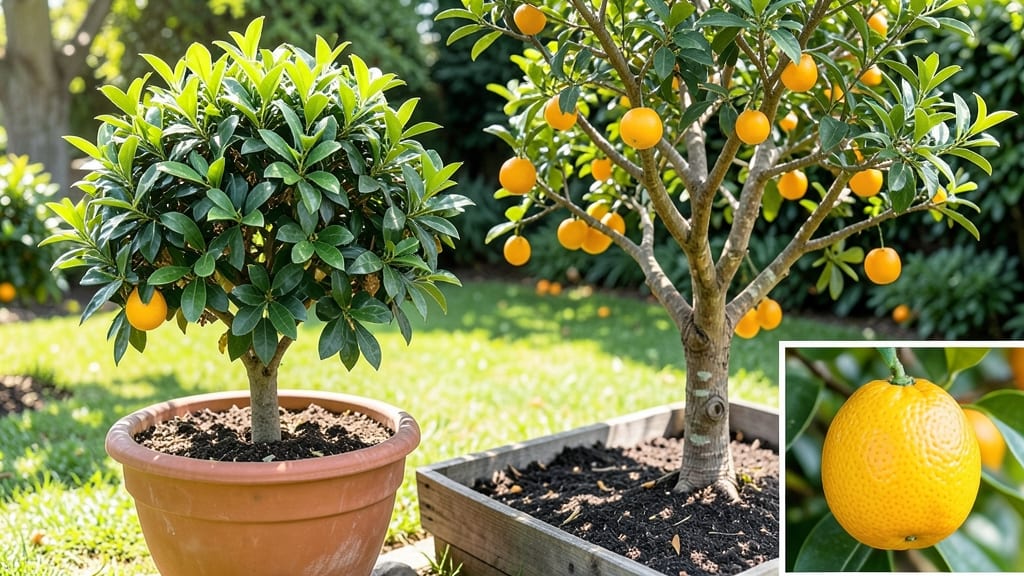
Tangerine tree height guide: from dwarf to standard varieties
If you’ve ever imagined plucking fresh tangerines from your backyard but assumed you needed acres of space, think again. The height of a tangerine tree depends entirely on the variety you choose—some stay compact enough for containers or small patios, while others reach towering heights.
Understanding these differences helps you plan your garden layout without sacrificing fruit production.
Most standard tangerine trees grow between 15 to 25 feet tall at maturity, making them ideal for large yards or orchards. However, dwarf varieties—like the popular 'Ponkan' or 'Calamondin'—top out at just 6 to 10 feet, perfect for urban gardens or balconies.
The key is selecting the right type for your space while ensuring it gets the sunlight and care it needs to thrive.
| Variety Type | Mature Height | Growth Rate (First 3 Years) | Best For |
|---|---|---|---|
| Dwarf | 6–10 ft | 1–2 ft/year | Containers, small yards, patios |
| Semi-Dwarf | 10–15 ft | 2–3 ft/year | Medium yards, espalier training |
| Standard | 15–25 ft | 3–5 ft/year | Large yards, orchards |
🌱 Note: Dwarf varieties often require grafting onto dwarfing rootstock to stay small.
For example, a standard tangerine tree like 'Dancy' can grow 20 feet tall in ideal conditions, while a 'Ponkan' tangerine—a dwarf variety—stays under 10 feet and produces fruit just 2–3 years after planting.
This makes it a top choice for container gardening or small urban plots. Always check the rootstock if buying from a nursery, as this determines the final height.
Your climate zone also affects growth. In USDA Zones 9–11, tangerine trees thrive year-round, reaching full height faster. In cooler zones (like Zone 8), growth slows, and trees may stay shorter unless protected from frost.
If you’re in a colder region, opt for dwarf varieties or grow your tree in a large container that you can move indoors during winter.
Another factor is pruning habits. Even standard varieties can be kept smaller with regular pruning, while dwarf trees benefit from light shaping to encourage bushier growth. I’ve seen 'Calamondin' tangerines—often used as houseplants—grow just 3–4 feet tall with minimal pruning, proving that height isn’t always destiny.
The key is balancing space constraints with the tree’s natural growth tendencies.
When planning for containers, remember that root space matters. A 5-gallon pot is ideal for dwarf varieties in their first year, but you’ll need a 15–25 gallon container for mature trees. Ensure your container has drainage holes and use a well-draining citrus soil mix to prevent root rot.
Without proper root space, even dwarf trees may grow taller than expected as they compete for nutrients.
If you’re torn between varieties, consider your fruit production goals. Dwarf trees may produce slightly smaller yields but make up for it with earlier fruiting and easier harvesting. For instance, a 'Murcott' tangerine tree (semi-dwarf) can yield 200–300 fruits per year while staying under 12 feet tall.
That’s enough for a family of four—and still leaves room for a small lawn or herb garden nearby.
For those with limited vertical space, consider espalier training. This technique flattens the tree against a fence or trellis, keeping it under 6 feet tall while maximizing fruit production.
It’s a favorite among urban gardeners who want tangerines without sacrificing yard space. Just ensure the tree gets full sun exposure even when trained flat.
Finally, don’t overlook microclimates. A sunny south-facing wall can help dwarf trees grow slightly taller, while a shady corner may stunt even standard varieties.
Test your space with a temporary shade cloth or move a potted tree around for a few weeks to see how it responds before committing to a permanent spot.
Ready to pick the perfect variety? My top recommendation for small spaces is the 'Ponkan' tangerine—sweet, seedless, and happy in containers or tight corners. For larger yards, a 'Dancy' or 'Minneola' will give you that classic tangerine flavor with room to grow.
Either way, you’re just a few seasons away from homegrown citrus! 🍊
Best compact tangerine varieties for small yards and containers
If your space is limited but you still crave homegrown tangerines, don’t worry—there are compact tangerine varieties perfect for patios, balconies, or even large containers. These varieties stay under 10 feet tall while producing abundant fruit. The key is choosing the right type for your climate and container size.
For smallest spaces, consider the 'Calamondin' tangerine, a hybrid that thrives in 5-gallon containers and tops out at just 6-8 feet tall. Its tiny, tart-sweet fruit is ideal for garnishes or marmalade.
If you prefer larger fruit, the 'Ponkan' tangerine reaches 8-10 feet and produces bright orange, seedless fruit perfect for snacking.
Here’s a quick comparison of the best space-saving tangerine varieties to fit your garden:
Calamondin
Ponkan
Murcott
When selecting a container-grown tangerine, prioritize dwarf rootstock like 'Citrofortunella' or 'Swingle Citrumelo'. These rootstocks naturally limit height while improving cold tolerance. For indoor growing, place your container near a south-facing window or under grow lights for 12+ hours/day.
Pro tip: If you live in USDA Zone 7 or colder, choose 'Satsuma' tangerines—they’re dwarf-friendly and tolerate light frosts. Just ensure your container is insulated with mulch during winter months to protect roots.
With the right variety and care, you can enjoy homegrown tangerines without sacrificing your small-space garden. Start with a 5-gallon container for dwarfs or a 15-gallon pot for semi-dwarf types, and watch your citrus tree thrive!