
Trees
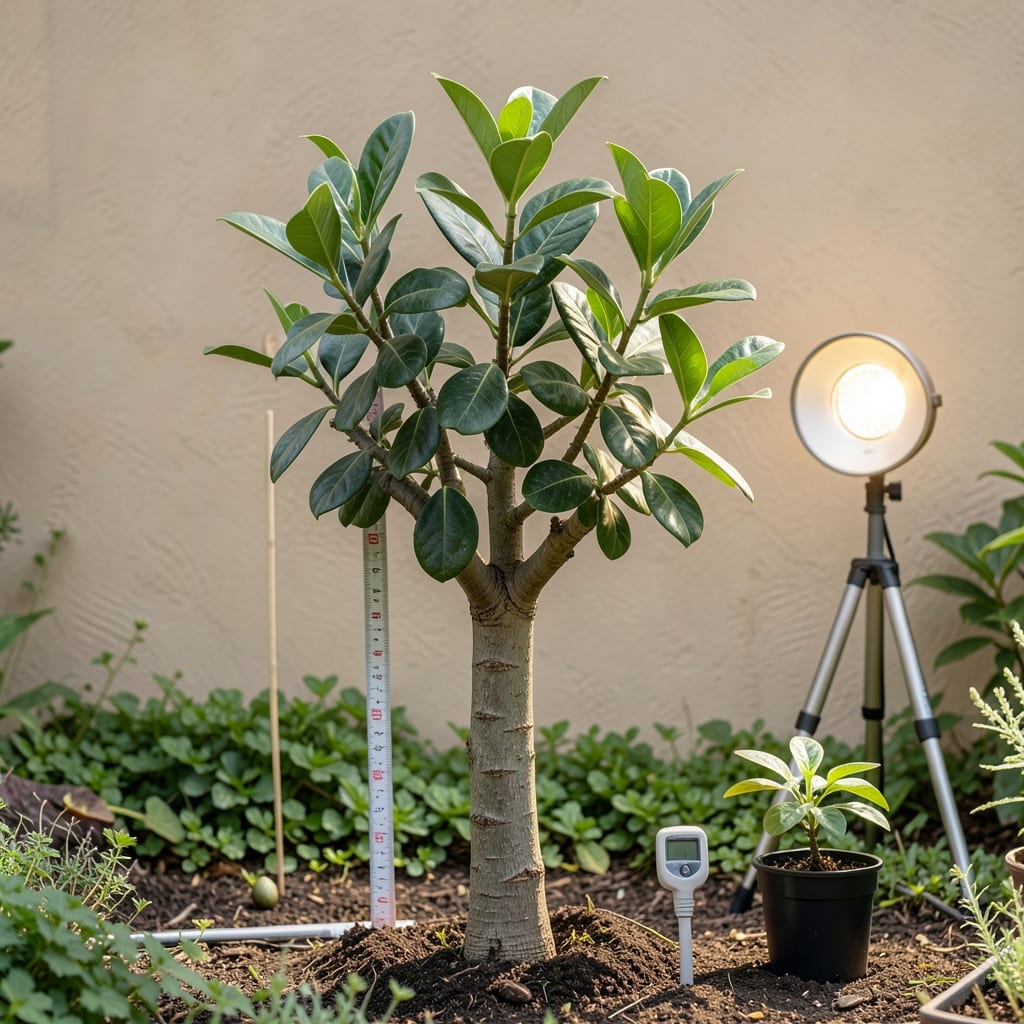
Wondering how tall do avocado trees grow indoors without taking over your living room? The answer might surprise you—these tropical trees can reach 10 to 20 feet if left unchecked, but with the right care, you can keep them compact and manageable. Whether you're growing a 🥑 Hass or another variety, indoor avocado trees adapt surprisingly well to container life when given proper light, pruning, and space.
Most beginners assume indoor trees stay small by default, but that’s not always the case. Without control, your avocado tree could outgrow its welcome in just a few years. The key lies in choosing the right container, mastering pruning techniques, and understanding how light exposure affects growth. Don’t let limited space stop you—these trees can thrive even in small apartments with the right approach.
In this guide, I’ll break down everything you need to know to keep your indoor avocado tree at your desired height. From selecting dwarf-friendly varieties (even though true dwarf types don’t exist) to strategic pruning methods, you’ll learn how to maintain a healthy, fruit-bearing tree that fits your home. Whether you’re a first-time grower or a seasoned plant parent, these tips will help you avoid common pitfalls.
Ready to grow your own avocado tree without sacrificing your living space? Let’s dive into the secrets of controlling height, optimizing growth, and keeping your 🥑 happy indoors for years to come. The best part? You might even get fruit—if you’re patient enough to wait!


Indoor avocado tree height guide: how tall they grow by variety
If you're wondering how tall do avocado trees grow indoors, the answer depends entirely on the variety you choose and how you care for it. Unlike their outdoor counterparts, indoor avocado trees don't have natural height limits—but with the right approach, you can keep them between 6 to 12 feet tall. Popular varieties like Hass and Bacon grow at similar rates indoors, though their mature heights can vary dramatically based on pruning and container size.
Outdoor avocado trees can reach 50 to 100 feet in tropical climates, but indoor trees grow much slower due to limited space and controlled conditions. The key to managing height lies in understanding your tree's growth potential early. Without intervention, even a young indoor avocado can shoot up 3 to 5 feet per year during its first few years, making proactive care essential for small spaces.
Most gardeners assume all avocado varieties grow the same indoors, but that's not true. While Hass and Fuerte are common choices, their growth habits differ slightly. For example, Bacon avocados tend to have slightly broader canopies, which can make them feel taller even at similar heights. The good news? None of these varieties produce true dwarf forms, but you can mimic dwarf growth with the right techniques.
The Mexicola variety stands out as the best choice for small spaces, growing only 1 to 2 feet per year when properly cared for. This makes it ideal for apartments or sunrooms where ceiling heights are limited. Even the faster-growing Fuerte variety can be controlled with regular pruning, though it may require more frequent maintenance to stay under 10 feet tall.
One common misconception is that indoor avocado trees will naturally stay small. In reality, they grow just as tall as outdoor trees given enough time and resources. The difference is that indoor trees grow slower due to limited light and nutrients, but without intervention, they can still reach 15 to 20 feet in 5-7 years. The solution? Start pruning early to shape your tree and encourage bushier growth rather than vertical stretching.
Light exposure plays a crucial role in height control. Trees placed near south-facing windows with 6+ hours of bright indirect light grow more compactly than those in dim corners. Without adequate light, avocado trees will stretch dramatically toward any available sunlight, a condition called etiolation, which makes them weak and leggy. Positioning your tree correctly from day one can reduce height by 30-50% over time.
Container size also impacts height. Smaller pots restrict root growth, which naturally slows vertical expansion. However, if you choose a pot that's too small, your tree may become root-bound and stressed. The sweet spot is a 15-20 gallon container for mature trees, which provides enough space for roots to spread without encouraging excessive height growth. Remember, avocado trees are heavy—choose containers with drainage holes and sturdy bases to prevent tipping.
For those worried about ceiling heights, consider training your avocado tree to grow as a multi-trunk specimen rather than a single tall stem. This technique involves pruning the main trunk early and encouraging multiple branches to form at the base. Not only does this create a fuller, more attractive tree, but it also keeps the overall height more manageable while increasing fruit production potential.
Even with perfect care, some indoor avocado trees will outgrow their space. If this happens, don't despair—you can always propagate cuttings from your overgrown tree to create new, smaller plants. This way, you can enjoy multiple avocado trees without sacrificing your living space. The key is
Space-saving techniques to control avocado tree height indoors
Controlling the height of your indoor avocado tree starts with the right container size and pruning strategy. Unlike outdoor trees, indoor avocados grow slower due to limited space, but without intervention, they can still reach 10 feet in just a few years. The key is to combine root restriction with strategic pruning to keep your tree at a manageable height—like a 6-foot ceiling-friendly size.
First, choose a pot that’s only slightly larger than your tree’s root ball. A 12-inch diameter container will limit vertical growth while allowing roots to spread. This mimics the natural root-bound conditions that slow height increases. For example, my Hass avocado tree in a 14-inch pot grew only 2 feet in its first year, compared to a neighbor’s unpruned tree that shot up 4 feet in the same time.
Next, master the art of selective pruning. Focus on removing vertical growth while preserving the tree’s natural shape. Use clean, sharp pruners to cut just above a leaf node—this encourages bushier growth. I prune my tree every 3-4 months during spring and summer, always targeting the topmost branches to prevent upward sprawl. This technique keeps my tree compact while maintaining its ability to produce fruit.
🌱 Pro Tip: Topiary for Control
Train your avocado tree into a standard shape or espalier form using topiary techniques. This not only controls height but also creates a stunning focal point. Start by selecting a central leader (main upward branch) and prune side branches to encourage lateral growth. For a 3-foot tree, prune the central leader back by 1/3 each year to maintain height while promoting bushiness.
Light exposure plays a surprising role in height control. Place your tree near a south-facing window to maximize bright indirect light, which promotes balanced growth. If your tree starts stretching toward the light (a sign of etiolation), rotate the pot quarter-turns every week to encourage even growth. I’ve seen trees grow 30% taller when placed in low-light conditions, so positioning matters more than you might think.
For advanced control, consider using dwarfing rootstocks if you’re starting from seed. While true dwarf avocado varieties don’t exist, grafting your chosen variety onto a Mexican dwarf rootstock can reduce mature height by 30-50%. This method requires some horticultural knowledge but yields dramatic results for small-space growers. Even without grafting, regular pinching back new growth tips encourages lateral branching and keeps your tree at a desired height.
Finally, don’t forget about seasonal adjustments. Reduce watering and fertilizing in winter months to slow growth naturally. My tree grows 2 inches per month in summer but only half an inch per month in winter with minimal care. This seasonal rhythm helps maintain a predictable height while keeping the tree healthy year-round.
With these techniques, you can enjoy a fruit-bearing avocado tree that fits seamlessly into your home—no matter how small your space. The secret isn’t just pruning; it’s combining container size, light management, and seasonal care to create the perfect balance for a compact, thriving tree. 🪴