
How To
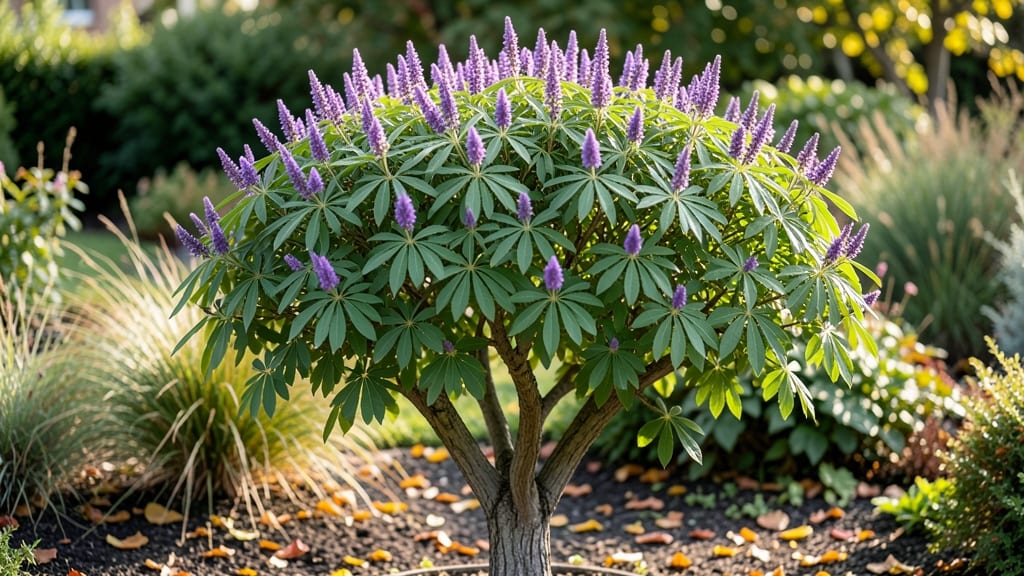
Wondering how tall does a vitex tree grow before it becomes a backyard giant? If you've planted this showstopper 🌿 for its fragrant purple blooms, you know it won't stay small forever—but with the right knowledge, you can guide its growth.
The average vitex tree matures between 8 to 15 feet, though some varieties like Vitex agnus-castus can stretch taller in ideal conditions. That means it’ll soon rival your mailbox or even climb higher than a basketball hoop if left unchecked.
The good news? Pruning in late winter or early spring can keep it at a manageable height while encouraging bushier, more abundant blooms.
Where you live matters too—cooler climates like USDA Zone 6a often see slower growth, while warmer regions can push vitex toward its upper height limits. If you’re planning your garden layout, spacing is key: give it room to breathe, but not so much that it becomes an unruly giant.
Let’s break down how to control its height without sacrificing those stunning flowers, plus when to intervene if it starts growing faster than expected. Your future self (and your neighbors) will thank you!


Vitex tree height by variety: how fast and tall they grow naturally
If you’ve ever admired a vitex tree’s lush purple blooms and wondered how tall it’ll get, you’re not alone. The mature height of a vitex tree depends entirely on its variety and growing conditions.
Most vitex species—like the popular Vitex agnus-castus (chaste tree)—can reach 10 to 15 feet tall, while others, like Vitex rotundifolia, stay more compact at 3 to 5 feet. Understanding these differences helps you plan your garden layout and pruning strategy from day one.
Vitex trees grow upright with multiple stems, forming a broad, rounded canopy. In ideal conditions—full sun and well-draining soil—they can grow 2 to 3 feet per year in their first few years.
By year three, many varieties hit their half-mature height, making early pruning critical if you want to keep them smaller. Without intervention, a vitex tree can easily outgrow a small backyard, so spacing is key when planting.
Here’s the catch: cooler climates (like USDA zones 6-7) often stunt growth, keeping vitex trees shorter—sometimes as low as 6 to 8 feet. Meanwhile, in warmer zones 8-10, they thrive and can hit their full 10 to 15-foot potential.
If you’re in a transition zone, expect a middle-ground height of 8 to 12 feet. Knowing your zone helps you set realistic expectations for height and growth rate.
When choosing a vitex variety, consider your garden’s available space and your pruning commitment. For example, Vitex agnus-castus is a backyard favorite but needs regular pruning to stay under 10 feet.
On the other hand, Vitex rotundifolia is perfect for smaller gardens or container growing, as it rarely exceeds 5 feet. If you’re unsure, start with a dwarf variety—they’re just as fragrant and flower-heavy but far easier to manage.
Another factor to watch is soil drainage. Vitex trees hate soggy roots, which can stunt growth or even kill the plant. Amend heavy clay soil with compost or sand to improve drainage, and plant in a spot with well-draining soil.
Poor drainage can slow growth or cause the tree to become leggy and weak, making it harder to control its height later. A little prep at planting time saves headaches down the road.
Pro tip: If you’re planting vitex near a fence or structure, leave at least 3 feet of clearance on all sides. This gives you room to prune without accidentally damaging nearby plants or structures.
Over time, vitex branches can become woody and rigid, making them difficult to trim once they’ve grown too close to obstacles. Plan ahead to avoid this common mistake.
For those in urban or small-space gardens, consider growing vitex in large containers. Container-grown vitex can be kept 20–30% shorter than their in-ground counterparts because root restriction naturally limits height.
Just ensure the pot has drainage holes and use a high-quality potting mix to prevent root rot. This method works especially well for Vitex rotundifolia
Pruning techniques to control vitex tree height and shape
Keeping your vitex tree at a manageable height doesn’t mean sacrificing its vibrant purple blooms. With the right pruning techniques, you can shape it into a compact, bushy shrub or maintain it as a smaller tree.
The key is timing and method—cutting at the wrong time can stunt flowering or encourage leggy growth.
Start by understanding that vitex trees grow best when pruned late winter or early spring, just before new growth begins. This timing ensures you’re not removing next year’s flower buds, which form on old wood.
Avoid heavy pruning in fall, as this can leave your tree vulnerable to cold damage and reduces its ability to harden off for winter.
For height control, focus on removing 1/3 of the oldest stems each year. These stems produce the most flowers, so thinning them out improves air circulation and encourages new, younger growth.
Use sharp, sterilized pruning shears to make clean cuts just above a leaf node or bud, angled slightly away from the stem.
Step-by-Step Pruning Guide for Compact Vitex
- Step 1: Remove Dead or Weak Wood – Cut out any dead, diseased, or crossing branches first to improve the tree’s overall health.
- Step 2: Thin Out Old Stems – Select 3-5 of the strongest, youngest stems to keep and prune the rest back to the base.
- Step 3: Shape the Canopy – Trim back overly long branches to encourage a fuller, bushier shape while maintaining an open center.
- Step 4: Lightly Prune New Growth – In summer, pinch back new shoots by 1/3 to promote denser foliage and more blooms.
- Step 5: Clean Up – Remove all pruned material from the area to prevent disease spread.
If your vitex tree is already too tall, don’t panic. You can gradually reduce its height over 2-3 years by making 1/3 cuts per season.
For example, if your tree is 12 feet tall and you want it at 6 feet, aim to reduce it by 2 feet annually. This approach prevents shock and allows the tree to recover.
One common mistake is over-pruning in a single season, which can lead to bare branches or reduced flowering. Another is pruning too late in spring, after the flower buds have already formed.
Always step back and visualize the final shape before making cuts—vitex responds well to structured pruning but dislikes harsh cuts.
For urban gardens or small spaces, consider growing vitex in a large container. This limits root growth and naturally restricts height. Use a well-draining potting mix and prune more aggressively to maintain a compact, shrub-like form. Just