
How To
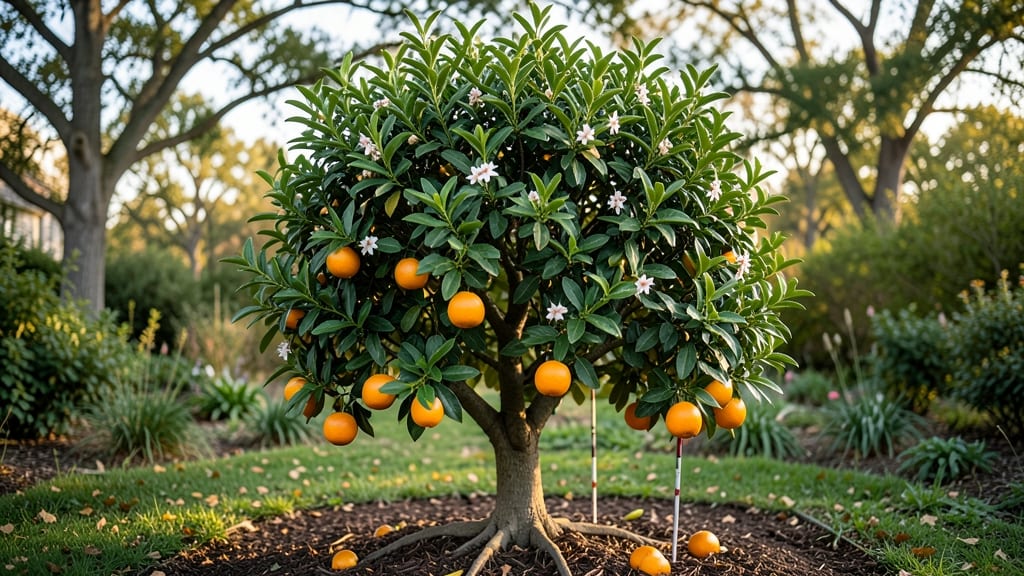
If you're dreaming of fresh 🍊 oranges from your own backyard, you might be wondering just how tall an orange tree can grow—because the answer will determine whether your space is up to the task.
Some varieties stay manageable at just 6-12 feet, perfect for containers or small yards, while others can shoot up to 40 feet or more, needing plenty of room to thrive. The good news? With the right variety and care, you can enjoy citrus fruit without sacrificing your garden layout.
Choosing the right orange tree starts with understanding the differences between dwarf, semi-dwarf, and standard varieties. Dwarf trees are ideal for urban gardens or patios, while standard trees need space to stretch their branches wide.
Climate also plays a role—warmer zones like 6a and above support faster growth, but even cooler areas can grow citrus with the right techniques.
Beyond variety, factors like pruning, sunlight, and soil quality can dramatically influence height. A well-pruned tree stays healthier and more manageable, while poor conditions can lead to stunted growth—or worse, disease.
Whether you're planting in spring or container-growing indoors, knowing these details will help you pick the perfect tree for your space.
Ready to turn your citrus dreams into reality? I’ll walk you through everything you need to know—from selecting the right variety to keeping your tree at the perfect height. Let’s get started!


Orange tree height by variety: dwarf vs standard vs giant sizes
Choosing the right orange tree depends entirely on your space and vision. A standard orange tree can reach 20-40 feet tall, making it a backyard statement piece—but only if you have room.
For smaller spaces, dwarf varieties stay between 6-12 feet, perfect for containers or patios. Even the semi-dwarf options (12-18 feet) offer a balance between manageable size and fruit production.
Your climate plays a crucial role too. In USDA Zones 9-11, standard trees thrive outdoors year-round, while colder zones (6-8) require container growing or indoor cultivation for dwarf varieties. For example, the Meyer lemon (often confused with oranges) stays compact at 6-10 feet, ideal for indoor growers.
Here’s how popular varieties compare in terms of height and care needs:
The Valencia orange is a classic choice for large gardens, but its 20-30 foot height requires careful planning. If you’re in Zone 9 or warmer, this variety thrives outdoors, producing heavy crops.
For cooler climates, opt for the Satsuma, which tolerates brief cold snaps and stays under 12 feet.
For urban gardeners, Meyer lemons or Calamondin trees are game-changers. Their dwarf stature makes them perfect for 15-gallon containers on patios or balconies. Just ensure they get 6+ hours of sunlight daily—even indoors near a south-facing window.
Pro tip: If you love the idea of a full-sized orange tree but lack space, consider espalier training. This technique flattens the tree against a fence or wall, keeping it under 10 feet while maximizing fruit production. It’s a favorite among European gardeners!
Remember, soil drainage is non-negotiable for citrus. Heavy clay soils will stunt growth or worse—kill your tree. Amend with compost and sand to create a well-draining mix. In containers, use a blend of potting soil, perlite, and coconut coir.
Your tree’s height isn’t set in stone. With proper pruning and variety selection, you can shape growth to fit your space—whether that’s a towering 30-foot giant or a 6-foot patio centerpiece. The key is starting with the right variety for your climate and commitment level.
🍊
Orange tree height by variety: dwarf vs standard vs giant sizes
Orange trees come in a stunning range of sizes, from dwarf varieties perfect for containers to giant standard trees that need acres of space. The right choice depends on your yard size, climate, and whether you're growing for fruit or foliage.
Let’s break down the most popular varieties and their mature heights to help you decide which fits your space best.
Dwarf orange trees typically reach 6-12 feet at maturity, making them ideal for urban gardens, patios, or even large indoor pots. These compact trees produce fruit just like their larger counterparts but require less space and maintenance.
On the other end of the spectrum, standard orange trees can grow 20-40 feet tall, needing ample room to spread their branches and roots.
The Meyer lemon (often confused with oranges) is a dwarf hybrid that stays around 8-10 feet, while Valencia oranges can grow up to 30 feet in ideal conditions. Navel oranges and Satsuma mandarins also vary widely—some dwarf varieties stay under 10 feet, while standard types reach 25+ feet.
🍊 Orange Tree Height Comparison
| Variety | Type | Mature Height | Space Needed | Best For |
|---|---|---|---|---|
| Meyer Lemon | Dwarf Hybrid | 8-10 ft | Containers or small yards | Patios, urban gardens |
| Calamondin | Dwarf | 6-10 ft | Containers or small spaces | Indoor/outdoor decor |
| Valencia Orange | Standard | 20-30 ft | Large yards or orchards | Commercial fruit production |
| Navel Orange | Semi-Dwarf | 12-18 ft | Medium-sized yards | Home orchards |
| Satsuma Mandarin | Dwarf or Standard | 8-40 ft | Containers to large yards | Cold-hardy citrus |
Note: Heights vary based on pruning, climate, and soil conditions.
Climate plays a huge role in how tall an orange tree grows. In USDA Zone 9-11, trees thrive year-round and can reach their full height faster. However, in cooler zones like Zone 6a-8b, dwarf varieties are your best bet—they’re more cold-hardy and easier to protect during winter.
Even in warmer zones, proper pruning can keep a standard tree at a manageable height while encouraging fruit production.
If you’re growing in a container, choose a dwarf variety and ensure the pot is at least 18-24 inches deep to accommodate roots. Containers dry out faster, so monitor soil moisture closely and fertilize regularly during the growing season.
For in-ground planting, space trees 15-25 feet apart to prevent overcrowding and ensure good airflow, which reduces disease risk.
Ready to pick the perfect orange tree for your space? Consider your yard size, climate, and whether you want a low-maintenance dwarf or a fruit-bearing giant. With the right variety, you’ll be enjoying homegrown oranges in no time! 🌱