
How To
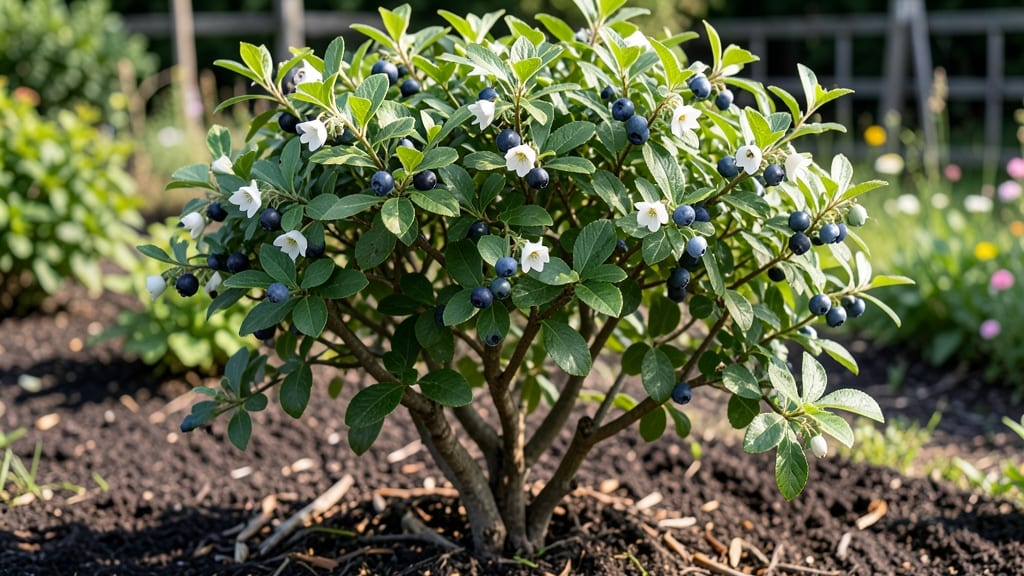
If you're planning your blueberry garden, knowing how tall does blueberry grow is one of the first questions you need to answer—because that height determines everything from spacing to pruning to whether you'll need a ladder for harvest time!
Blueberry bushes can range from dwarf varieties that stay under 4 feet to towering shrubs reaching 12 feet, depending on the type and care. That’s a huge difference when you’re designing your garden layout or deciding how much sunlight each plant needs to thrive.
For most home gardeners in USDA Zone 6a, standard varieties like Patriot or Duke will grow 6-12 feet tall over time, while compact types like Top Hat or Sunshine Blue remain under 3-4 feet.
The right choice affects not just your garden’s look but also how easy (or difficult) harvesting becomes.
I’ll break down the exact heights by variety, explain how pruning and soil impact growth, and share pro tips to keep your blueberries 🫐 at your ideal height—whether you prefer a low-maintenance bush or a lush, productive shrub that feeds your family for years.


Blueberry plant height by variety: dwarf to standard sizes explained
Blueberries are one of the most versatile shrubs in your garden, with mature heights ranging from just 2 feet to towering 12-foot giants. The variety you choose directly impacts your garden layout, pruning needs, and even how easy it is to harvest those sweet berries.
Let’s break down the exact heights you can expect from popular blueberry cultivars, so you can plan your planting strategy with confidence.
Dwarf varieties like Top Hat and Sunshine Blue are perfect for containers, small yards, or urban gardens where space is limited. These compact bushes typically reach 2 to 4 feet at maturity, making them ideal for balcony planters or even kitchen windowsills with proper care.
On the other end of the spectrum, standard varieties such as Duke or Jersey can grow up to 10 to 12 feet, requiring more space and regular pruning to maintain health and productivity.
Here’s a quick comparison to help you visualize the differences. Understanding these heights will help you decide whether to plant in rows, clusters, or even as a living hedge.
| Variety | Mature Height | Growth Habit | Ideal Spacing |
|---|---|---|---|
| Top Hat | 2–3 ft | Compact, upright | 3–4 ft apart |
| Sunshine Blue | 3–4 ft | Semi-spreading | 4–5 ft apart |
| Patriot | 5–6 ft | Upright, vigorous | 6–8 ft apart |
| Duke | 8–12 ft | Tall, spreading | 10–12 ft apart |
| Jersey | 6–10 ft | Bushy, upright | 8–10 ft apart |
The growth habit of each variety is just as important as height. For example, Top Hat stays neatly upright, while Duke can spread widely, requiring more horizontal space.
If you’re growing in a small garden, semi-dwarf varieties like Patriot offer a happy medium—tall enough for good yield but manageable for pruning and harvesting.
Spacing is critical for airflow and sunlight exposure, both of which directly impact fruit production. Taller varieties like Duke or Jersey need ample space to avoid shading smaller plants or competing for nutrients.
In contrast, dwarf varieties can be planted closer together, even in containers, as long as they receive 6+ hours of sunlight daily.
For container growing, stick to dwarf or semi-dwarf varieties in pots at least 18 inches deep and 24 inches wide. Larger containers may be needed for standard varieties, but they’ll still require regular pruning to control height and shape.
Always ensure your container has drainage holes to prevent root rot, a common issue with blueberries.
If you’re planting in rows, consider the mature height when designing your layout. For example, a 6-foot-tall Patriot bush planted in a row will cast significant shade on neighboring plants if spaced too closely.
Aim for 6 to 8 feet between standard varieties to ensure each bush gets the sunlight it needs for optimal berry production.
Pro tip: If you’re short on space but want a high yield, try interplanting dwarf and semi-dwarf varieties. For instance, place a 3-foot Sunshine Blue in front of a 6-foot Patriot to create a layered effect that maximizes both space and harvest potential.
This approach also makes picking easier, as the shorter bushes will be at eye level.
Remember, blueberries are perennial plants, meaning they’ll grow taller each year if not pruned. With proper care, even dwarf varieties can reach their full height within 3 to 5 years. Plan accordingly, and your blueberry patch will thrive for decades with minimal effort.
How blueberry bush height affects growth, yield, and maintenance needs
Your blueberry bush's mature height isn't just about aesthetics—it directly impacts fruit production, pruning demands, and even soil depth requirements. Taller varieties like Duke (up to 12 feet) produce more berries but require deeper soil profiles and sturdy trellising.
Shorter varieties like Top Hat (3-4 feet) are perfect for containers but may yield less per plant.
Taller bushes need more sunlight exposure at their canopies, which means proper spacing (6-10 feet apart) to prevent shading. This affects berry quality—shaded fruit often stays tart and underripe.
Meanwhile, compact varieties thrive in tight spaces but may need hand-pollination since bees struggle to reach flowers deep in dense canopies.
Height also determines pruning frequency. Standard varieties need annual pruning to control height and improve airflow, while dwarf types may only require light shaping every 2-3 years. Overgrown bushes (especially unpruned standards) can develop wood rot at their bases from poor airflow and excess moisture.
- Yield Impact: Taller bushes (6-12 ft) produce 20-30% more berries but require deeper soil (18+ inches) for root stability.
- Sunlight Needs: Canopy height affects sunlight penetration—dwarf varieties need 5-6 feet of spacing; standard types need 8-10 feet.
- Harvest Access: Ladder use increases with height—4+ feet often requires sturdy trellis support or harvest tools.
- Soil Depth: Deep-rooted standards need 24+ inches of loose soil; dwarf types thrive in 12-inch containers.
- Pruning Work: Tall bushes demand annual pruning (30+ minutes per plant); dwarfs need minimal maintenance.
For maximum yield, balance height with your garden's space constraints. Semi-dwarf varieties (4-6 feet) offer a middle ground—easy to harvest, manageable pruning, and 25% higher yields than dwarfs.
If you're growing in containers, choose Top Hat or Pink Lemonade—their compact size (3-4 feet) makes them ideal for patios.
Don't overlook wind exposure when planning height. Tall bushes in windy areas may need staking or windbreaks to prevent stem damage. In my Zone 6a garden, I've seen Patriot bushes (6 feet) bend dangerously in spring storms—adding bamboo stakes solved the issue while keeping yields high.
Height even affects pest pressure. Taller canopies attract bird predators (like robins) that target ripe berries, while dwarf varieties are less appealing. To mitigate this, I net my tallest bushes during peak ripening (July-August) and use reflective tape around dwarfs to deter birds.