
How To
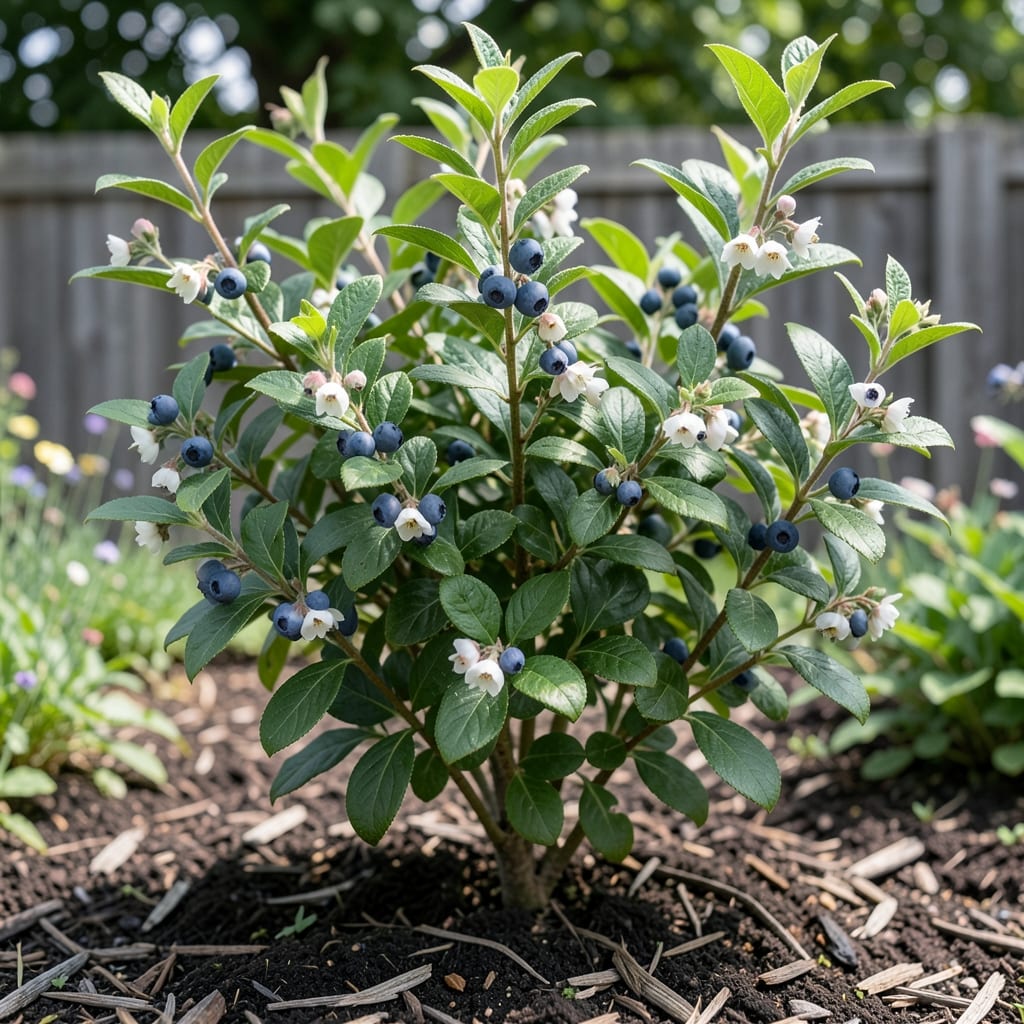
If you've ever wondered "how tall blueberry bushes grow", you're not alone—many gardeners struggle to predict their 🫐 shrubs' eventual size. The truth? Height depends on the variety you choose, with some dwarf types staying under 3 feet while others tower over 10 feet at maturity.
For most home gardeners in Zone 6, standard blueberry bushes typically reach 6-12 feet by their third year, but compact varieties like 'Top Hat' max out around 2-3 feet. Knowing these differences upfront helps you plan spacing, pruning, and even trellis support before planting.
In this guide, I’ll break down the year-by-year growth patterns of popular varieties, so you can visualize how your bushes will develop from saplings to harvest-ready shrubs. Whether you're working with a small backyard or a sprawling orchard, understanding these growth habits is the key to maximizing your berry yield.
Ready to transform your blueberry patch from a guessing game into a well-planned, productive space? Let’s dive into the specifics—because the right variety and spacing can mean the difference between a handful of berries and a bush overflowing with 🫐 goodness.


Blueberry bush height by year: growth chart for common varieties
Blueberry bushes don’t grow overnight—they follow a predictable pattern from tiny saplings to towering shrubs. In their first year, expect just 1-2 feet of growth, as they focus on root establishment rather than height. This slow start is normal, even for fast-growing varieties like 'Duke' or 'Jersey'.
By year two, most bushes shoot up to 3-4 feet, with some varieties like 'Bluecrop' reaching nearly 5 feet if conditions are ideal. This is when you’ll start seeing those signature arching branches that blueberries are famous for. Proper spacing now prevents future crowding issues.
Here’s where things get exciting: by year three, standard varieties like 'Patriot' or 'Chester' will hit their mature height range of 6-12 feet. Dwarf types like 'Top Hat' or 'Peach Sorbet' cap out at 2-3 feet, making them perfect for containers or small gardens. This is also when you’ll see the first significant berry production.
| Variety | Year 1 | Year 2 | Year 3+ | Mature Height |
|---|---|---|---|---|
| Top Hat (Dwarf) | 1-1.5 ft | 2-2.5 ft | 3 ft | 2-3 ft |
| Bluecrop (Standard) | 1.5-2 ft | 4-5 ft | 6 ft | 6-8 ft |
| Duke (Semi-Dwarf) | 1-2 ft | 3-4 ft | 5 ft | 5-7 ft |
| Patriot (Standard) | 1.5-2 ft | 4-5 ft | 7 ft | 8-12 ft |
| Peach Sorbet (Dwarf) | 1-1.5 ft | 2-2.5 ft | 3 ft | 2-3 ft |
📏 Note: Heights vary by climate, soil, and care. Southern highbush varieties grow faster in warm zones.
After year three, growth slows as bushes focus on berry production rather than height. However, standard varieties like 'Patriot' can continue adding 1-2 feet per year until they reach their full potential. This is why proper pruning in late winter is crucial—it encourages bushier growth and better air circulation.
If you’re growing rabbiteye varieties (common in warmer zones), expect slightly slower initial growth but taller mature heights, often exceeding 10 feet. These varieties, like 'Climax' or 'Powderblue', thrive in heat but need well-draining soil to prevent root rot.
For container gardening, dwarf varieties are your best bet. 'Top Hat' or 'Peach Sorbet' stay compact enough for 5-gallon pots, making them ideal for patios or balconies. Just remember: containers dry out faster, so watering consistency is key to preventing stunted growth.
One common mistake gardeners make is assuming all blueberry bushes grow the same. Southern highbush varieties (like 'O'Neal') mature faster than northern highbush types (like 'Bluecrop'), while rabbiteye varieties take longer to establish but reward you with larger berries over time.
To visualize growth, think of a 3-year timeline: Year 1 is all about roots, Year 2 is rapid vertical growth, and Year 3+ is when you’ll see the full arching canopy that blueberries are known for. Plan your garden layout accordingly—standard bushes need 6-8 feet of space, while dwarfs thrive in 3-4 feet.
Pro tip: If you’re planting multiple bushes, stagger their ages by a year. This ensures you’ll have continuous berry production throughout the season, rather than a single harvest year.
Factors that affect blueberry bush height and spread
Blueberry bush height isn't just about genetics—it's heavily influenced by soil conditions, pruning practices, and even your local climate. For example, a 'Duke' blueberry in Zone 7 might grow 20% taller than the same variety in Zone 5 due to longer growing seasons. The key factors I've found most impactful are variety selection, pruning frequency, and acidity levels in your soil.
Let's start with the biggest game-changer: soil pH. Blueberries thrive in acidic soil (pH 4.5-5.5). If your soil is too alkaline, your bushes will grow slowly and weakly, often staying under 4 feet even after 5 years. I once had a 'Jersey' blueberry that barely reached 3 feet because the soil pH was at 6.5—adding sulfur and peat moss fixed it within a year.
Next up is pruning technique. Over-pruning can stunt growth, while selective pruning (removing only dead or crossing branches) encourages taller, bushier plants. I recommend pruning in late winter to early spring—this gives your bushes the full growing season to recover. For standard varieties, aim to remove no more than 1/3 of the plant's branches each year to maintain healthy height.
Don't overlook sunlight exposure either. Blueberries need 6+ hours of direct sun daily to reach their full height potential. In my Zone 6 garden, a 'Bluecrop' bush gets 8 hours of sun and reaches 8 feet by year 4, while the same variety in partial shade only hits 5 feet. If you're in a shadier climate, choose dwarf varieties like 'Top Hat' that tolerate less light better.
Here's a quick visual comparison of how these factors interact to shape your blueberry bushes:
| Factor | Impact on Height | Actionable Tip |
|---|---|---|
| Soil pH (4.5-5.5) | Optimal: +20% growth Too high/low: Stunted growth |
Test pH annually; amend with sulfur or peat moss |
| Pruning (Late winter) | Aggressive: Smaller Selective: Taller, bushier |
Remove only dead/crossing branches; max 1/3 of plant |
| Sunlight (6+ hours) | Full sun: +30% height Partial shade: Slower growth |
Choose south-facing spots; use dwarf varieties if needed |
| Watering (Consistent) | Drought: Stunted growth Consistent: Healthy height |
Deep water 1-2 gallons weekly; mulch to retain moisture |
| Fertilizer (Acidic) | Balanced: Steady growth Over/under: Weak growth |
Use 10-10-10 or cottonseed meal; feed spring/summer |
One more critical factor is watering consistency. Blueberries have shallow roots, so drought stress can permanently stunt growth. I've seen 'Bluecrop' bushes in my garden lose 1-2 feet of height during a dry summer if I didn't water deeply enough. Always aim for 1-2 gallons per plant weekly, and mulch heavily to retain moisture.
Finally, remember that container-grown blueberries will always stay smaller than in-ground plants—typically 2-4 feet—because their root systems are restricted. If you're growing in pots, choose dwarf varieties and upgrade to larger containers (at least 15-gallon) every 2-3 years to accommodate growth.