
How To
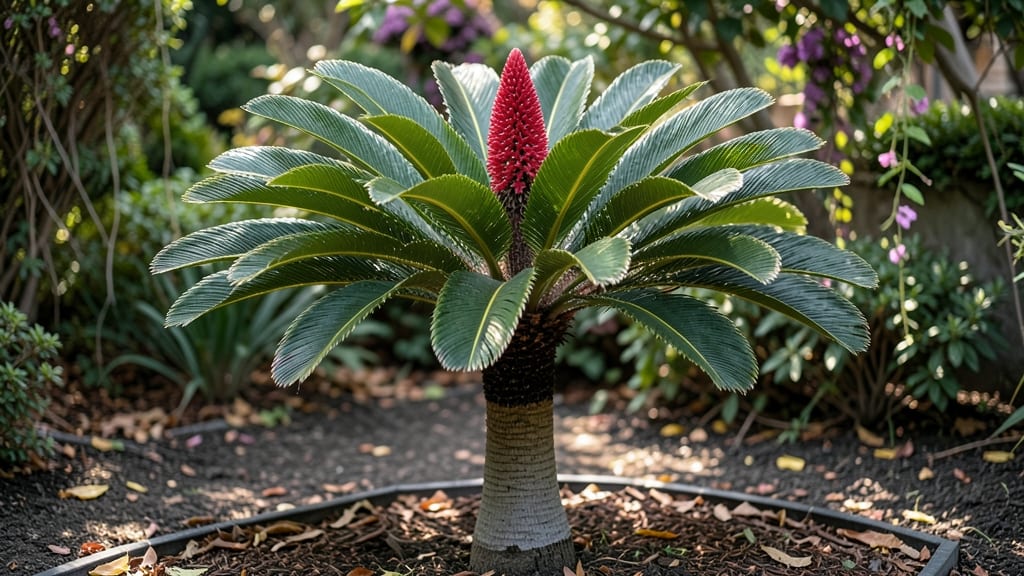
Curious about how tall does Christmas Palm grow before you commit to bringing this tropical beauty into your home?
You might be surprised—this slow-to-moderate grower can stretch from a modest 3 feet in its first year to a towering 20 feet when fully mature, depending on where you live and how you care for it.
If you're in USDA Zone 6a or warmer, your Christmas Palm 🌿 could become a stunning vertical statement piece, but its growth rate isn’t just about time—it’s about the right balance of light, water, and space.
Too much sun or neglect can stunt its progress, while ideal conditions turn it into a lush, eye-catching centerpiece.
Whether you're eyeing it for a sunroom, patio, or even as a container plant, understanding its growth habits helps you plan for its future size. Let’s break down what to expect based on your climate and care routine, so you can give your Christmas Palm the perfect home to thrive.
From indoor spaces to outdoor gardens, we’ll cover everything you need to know to nurture this tropical favorite—without it outgrowing your expectations. Ready to learn how to maximize (or gently control) its height?


Christmas palm height by US hardiness Zone: real growth expectations
The Christmas palm (Adonidia merrillii) is a stunning tropical plant that can grow into a true statement piece in your garden—if given the right conditions. While it thrives in USDA Zones 9-11, its height varies dramatically depending on whether you grow it indoors or outdoors.
In ideal outdoor settings, this palm can reach 15-20 feet tall, but indoors, it often stays between 6-10 feet due to limited space and light.
Understanding your hardiness zone and climate is key to predicting growth. Coastal areas with humid, mild winters (like Zone 10) will see faster, taller growth compared to drier inland zones. Even in the same zone, indoor vs. outdoor placement can shrink or stretch its height by 50% or more.
Here’s how your Christmas palm’s height breaks down by zone and setting, so you can plan accordingly:
| Zone & Setting | Mature Height Range | Annual Growth Rate | Climate Notes |
|---|---|---|---|
| Zone 9 (Outdoor) | 12–18 ft | 1–2 ft/year | Warmer winters, high humidity |
| Zone 10 (Outdoor) | 15–20 ft | 2–3 ft/year | Tropical climate, minimal frost risk |
| Zone 11 (Outdoor) | 18–25 ft | 3–4 ft/year | Year-round warmth, fastest growth |
| Indoor (Any Zone) | 6–10 ft | 6–12 in/year | Slower growth due to limited light |
| Container (Outdoor) | 8–12 ft | 1–1.5 ft/year | Root-bound plants grow slower |
If you’re in Zone 9 or 10 and grow your Christmas palm outdoors, expect it to tower over your patio in just a few years.
But if you’re in a cooler microclimate within Zone 9 (like inland areas), growth may slow to 1 foot per year, capping its height at around 12 feet.
For indoor growers, ceiling height becomes the ultimate limiter. A 10-foot ceiling means you’ll need to prune regularly to keep it under control—or risk trimming the top off to fit!
The good news? Indoor Christmas palms still grow 3x faster than many other houseplants, making them a rewarding choice for patient gardeners.
One often-overlooked factor is wind exposure. Coastal gardens in Zone 10 may see leaner, more compact growth due to salt spray and breezes, while inland palms grow straighter and taller.
To encourage height, place your palm in a sheltered spot with bright, indirect light—this mimics its natural tropical habitat.
Pro tip: If you’re growing a Christmas palm in a container, choose a pot at least 2 feet wide to avoid root-binding, which stunts height. Repotting every 2–3 years can add an extra 1–2 feet to its mature size.
🌿
How to maximize (or control) Christmas palm growth: care tips that impact height
Your Christmas palm (Adonidia merrillii) isn’t just a statement plant—it’s a growth powerhouse when given the right care. With the right light exposure, watering schedule, and pruning techniques, you can push it toward its 20-foot potential or keep it compact for indoor spaces.
The key? Understanding how each factor directly influences its height trajectory.
Most gardeners assume more sunlight always means faster growth, but over-exposure can scorch leaves and stunt development. Instead, focus on bright indirect light (like an east-facing window) to fuel steady growth without stress.
Outdoor plants in Zones 9-11 thrive with morning sun and afternoon shade, while indoor palms need grow lights if natural light falls short.
Here’s how to tailor your care routine to either maximize height or control growth—without sacrificing health:
🌱 Maximize Growth
- Light: Place in bright indirect light (6+ hours daily).
- Water: Deep-soak weekly (1500ml) during active growth.
- Fertilizer: Use balanced 6-6-6 every 6-8 weeks in spring/summer.
- Pruning: Remove brown fronds only—never trim healthy foliage.
- Soil: Use well-draining mix with peat moss or perlite.
- Humidity: Mist leaves daily or use a pebble tray.
- Repotting: Upgrade every 2-3 years for root expansion.
- Temperature: Keep above 60°F—cold drafts slow growth.
✂️ Control Growth
- Light: Limit to 4-6 hours of indirect light daily.
- Water: Reduce to bi-weekly deep watering in cooler months.
- Fertilizer: Skip in fall/winter; use half-strength feeds.
- Pruning: Trim top growth by 1/3 to encourage bushiness.
- Soil: Use compacted mix with less perlite to slow root spread.
- Humidity: Avoid misting; let leaves air-dry between waterings.
- Repotting: Delay upgrades until roots circle the pot.
- Temperature: Keep in cooler (65-70°F) spots to reduce growth spurts.
Avoid these common mistakes that sabotage height goals: Overwatering (which causes root rot), using low-quality soil (like garden dirt), or placing the plant in direct afternoon sun, which burns fronds. Even under-fertilizing can limit growth—aim for consistent nutrients during active seasons.
For indoor palms, rotate the pot quarter-turns weekly to ensure even light exposure, preventing lopsided growth. Outdoor plants benefit from a mulch layer (2-3 inches) to retain moisture and encourage deeper roots, which supports taller, sturdier stems.
With these adjustments, you’ll steer your Christmas palm toward your ideal height—whether that’s a 10-foot indoor giant or a compact 5-foot tabletop centerpiece.
Pro tip: Monitor growth seasonally. If your palm shoots up 2 feet in 6 months, it’s thriving—adjust care to maintain that pace. If growth stalls, reassess light, water, and fertilizer routines immediately. 🌿