
How To
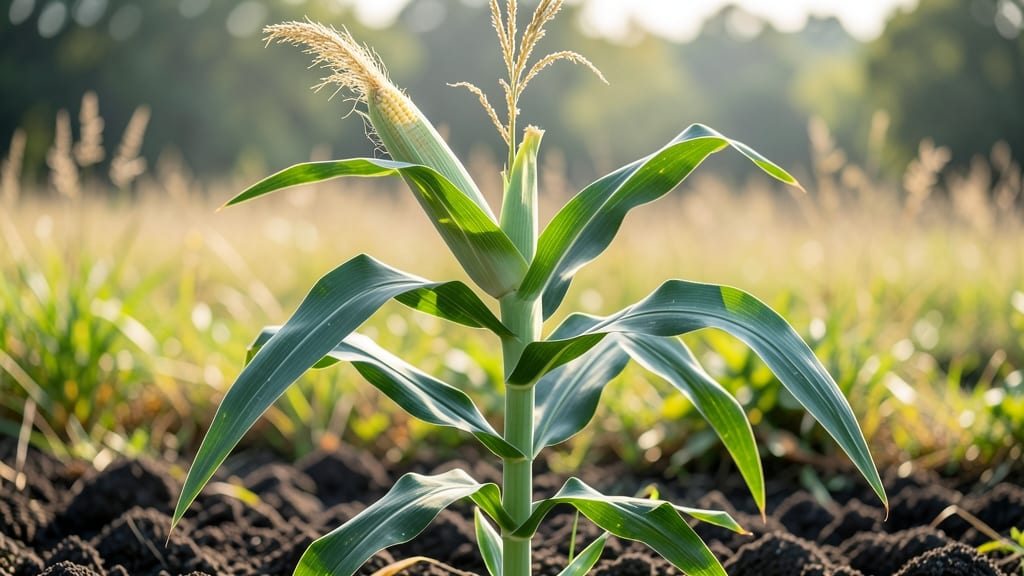
If you've ever wondered how tall corn can grow before harvest, you're not alone—this is one of the most common questions among gardeners! 🌽 The answer varies wildly depending on the variety, with some dwarf types barely scraping 4 feet while others shoot straight up to 12 feet or more, rivaling your backyard fence.
Understanding corn's growth stages is key to predicting height and knowing when to expect those plump, juicy ears. Most varieties plateau in height 2-4 weeks before harvest, making this a critical window for monitoring maturity.
Whether you're growing sweet corn for the table or field corn for seed, timing everything right ensures you don't miss the perfect harvest moment.
In this guide, I'll break down the height ranges for popular corn varieties, explain how environmental factors like sunlight and water influence growth, and share practical tips to maximize your plants' potential. You'll also learn how to spot the exact signs that your corn is ready to harvest—no more guessing!
Ready to grow taller, healthier corn? Let’s dive into the details so you can plan your garden with confidence and harvest like a pro this season.


Corn variety height guide: from dwarf to giant varieties before harvest
Corn height before harvest varies dramatically depending on the variety you're growing. Sweet corn, the most common type for home gardens, typically reaches 6 to 10 feet at maturity, while field corn and popcorn can soar even taller—some varieties exceeding 12 feet.
The key to understanding when your plants will stop growing lies in their genetic potential and growth stages.
Dwarf varieties like 'Golden Bantam' stay compact at 3 to 5 feet, making them ideal for small gardens or containers. These shorter varieties often mature faster, reaching their maximum height 60 to 70 days after planting.
Meanwhile, standard varieties like 'Silver Queen' or 'Peaches and Cream' can tower 8 to 10 feet, with giant varieties such as 'Mammoth Melting' pushing 12 feet or more.
Here’s what you need to know about how these varieties compare in terms of height before harvest, along with their typical growth timelines:
| Variety Type | Height Before Harvest | Days to Maturity | Best For |
|---|---|---|---|
| Dwarf Sweet Corn | 3–5 ft | 60–70 days | Containers, small gardens |
| Semi-Dwarf Sweet Corn | 6–8 ft | 70–80 days | Home gardens, urban plots |
| Standard Sweet Corn | 8–10 ft | 80–90 days | Large gardens, fresh markets |
| Giant Sweet/Field Corn | 10–12+ ft | 90–100+ days | Rural gardens, livestock feed |
| Popcorn Varieties | 7–10 ft | 85–100 days | Snack production, heirloom gardens |
If you're growing sweet corn for fresh eating, most varieties will reach their final height 2 to 4 weeks before harvest. This is when the plant shifts focus from vegetative growth to ear development.
For example, a 10-foot 'Silver Queen' will stop elongating significantly once the tassels appear and the silks emerge.
For field corn or popcorn, which are often grown for their kernels rather than fresh eating, the height can continue increasing until the ears fully mature, sometimes reaching their peak 100+ days after planting.
These varieties may need additional support, like staking or trellising, to prevent lodging as they grow taller.
One common misconception is that taller corn always means better ears. In reality, dwarf varieties often produce larger ears relative to their height because they allocate more energy to ear development rather than stem growth.
For example, 'Golden Bantam' might yield 4-inch ears on a 4-foot plant, while a 10-foot 'Mammoth Melting' could produce 8-inch ears but with less efficiency.
To ensure your corn reaches its optimal height before harvest, pay attention to spacing and soil nutrients. Overcrowding stunts growth, while proper fertilization encourages taller, stronger stalks.
I’ll cover these care tips in detail in the next section, but for now, remember: height alone isn’t the goal—it’s about balancing growth with ear production.
🌽
When does corn stop growing before harvest: key growth stages & height plateaus
Corn's journey from seedling to harvest involves distinct growth stages where height development slows dramatically just before maturity. Understanding these phases helps predict when your plants will reach their final height and when to expect harvest-ready ears.
Most varieties stop growing vertically about 2-4 weeks before harvest, focusing energy on ear development instead.
During the vegetative stage, corn grows rapidly—adding 1-2 feet per week—until it reaches its mature height. For standard varieties like Golden Bantam, this means climbing to 7-10 feet. After this, the plant shifts to reproductive growth, where height gains plateau while ears form and fill out.
The tasseling stage marks a critical transition: pollen-producing tassels emerge at the top, signaling the plant's height will soon stabilize. This occurs roughly 6-8 weeks after planting, depending on variety and conditions. At this point, corn is typically 80% of its final height.
Environmental factors like sunlight exposure and water availability can delay or accelerate this plateau. For example, dwarf varieties (like Little and Tender) may reach their 4-5 foot height in just 50 days, while giant varieties (like Mammoth Melting) can take up to 120 days to stop growing vertically.
Always monitor your plants for signs of stress—yellowing leaves or stunted growth—that could signal nutrient deficiencies or disease.
To confirm readiness, check for brown, brittle silks and milky kernels when pierced with a fingernail. At this point, the plant’s height won’t increase further, but the ears will continue filling out for 1-2 weeks. This is your cue to harvest before the kernels turn starchy and lose sweetness.
Pro tip: Use a growth chart to track your corn’s height weekly. Most varieties grow about 1 inch per day during the vegetative stage, then slow to 0.5 inches per day after tasseling.
This predictable pattern helps you anticipate when to expect that final height—and when to start watching for harvest signs!