
How To
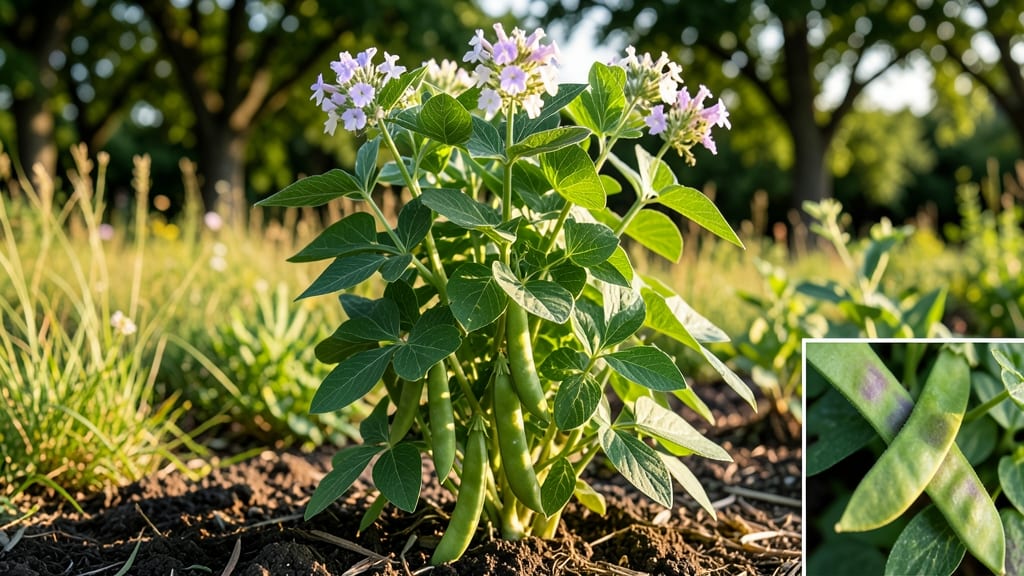
If you're wondering how tall does edamame grow, the answer might surprise you—these little green powerhouses can reach anywhere from 1 to 3 feet tall, depending on the variety.
That means they could be taller than your average kitchen chair, making them a great fit for small gardens or even containers on your balcony.
What’s even more exciting is that edamame isn’t just one-size-fits-all. Some varieties stay compact, perfect for tight spaces, while others stretch taller, ideal for trellises or larger plots. Whether you’re a beginner or a seasoned gardener, knowing these growth habits will help you plan your space like a pro.
But here’s the thing: edamame doesn’t just grow tall—it thrives with the right care. From spacing plants correctly to choosing the best trellis, small tweaks can make a big difference in how your edamame performs.
Let’s break down everything you need to know to grow these delicious pods without sacrificing your garden’s layout.
Ready to turn your garden into an edamame oasis? I’ll show you how to pick the right variety, manage their height, and even troubleshoot common growing challenges. By the end, you’ll know exactly how to give your edamame the perfect home—no matter how much (or little) space you’ve got.


Edamame plant height by variety: compact vs. tall options for different gardens
Edamame plants can vary dramatically in height, from waist-high compact varieties to towering vines that need vertical support. The height you'll end up with depends entirely on the variety you choose and how you manage its growth.
For small gardens or containers, dwarf varieties stay between 12–18 inches, while standard types can reach 4–6 feet without proper support.
Understanding these differences is crucial because edamame plants are vining legumes—they naturally climb and spread. Without guidance, they’ll sprawl across your garden, competing for space with other plants. But with the right variety and care, you can grow edamame even in 5-gallon containers or on a balcony trellis.
Here’s how to match your garden’s size to the perfect edamame variety, along with their mature heights, growth habits, and space needs to help you plan.
| Variety Type | Mature Height | Growth Habit | Ideal Spacing | Best For |
|---|---|---|---|---|
| Dwarf Varieties | 12–18 inches | Bush-type, no climbing | 12–18 inches apart | Containers, small gardens, urban balconies |
| Semi-Dwarf Varieties | 24–36 inches | Vining, needs light support | 18–24 inches apart | Small plots, trellises, raised beds |
| Standard Varieties | 4–6 feet | Aggressive vining, needs trellis | 3–4 feet apart | Large gardens, fences, or tall trellises |
Dwarf varieties like ‘Enrei’ or ‘Black Turtle Soya’ are perfect for container gardening or small-space growers. These stay under 2 feet tall and don’t require trellising, making them ideal for patio planters or window boxes.
They’re also great for first-time growers because they’re low-maintenance and produce high yields despite their size.
On the other hand, standard varieties like ‘Kentucky Wonder’ or ‘Ogura’ can grow taller than you are if left unchecked. These are best suited for larger gardens where they can climb fences, arbors, or sturdy trellises.
Without support, they’ll sprawl 6–8 feet wide, which can quickly take over a small plot.
If you’re growing edamame in containers, choose bush-type varieties and ensure your pots are at least 12 inches deep. For in-ground planting, semi-dwarf varieties strike a balance—compact enough for small gardens but productive enough for a harvest.
Always check the seed packet for specific height ranges before planting.
Another factor to consider is maturity time. Dwarf varieties often mature faster (around 70–80 days), while taller vining types may take 90–100 days. This means you can get multiple harvests in a single season with the right spacing and variety selection.
For urban gardeners or those with limited space, I recommend starting with semi-dwarf varieties on a small trellis. This gives you the best of both worlds: vertical growth without sacrificing too much floor space.
Plus, training vines to climb improves air circulation, reducing the risk of fungal diseases like powdery mildew.
Pro tip: If you’re unsure which variety to pick, look for heirloom or organic seeds labeled as "bush-type" or "compact." These are specifically bred for small gardens and often come with height guarantees on the packaging.
Now that you know which varieties fit your space, let’s talk about how to manage taller edamame plants—even in the tightest of gardens. Trellising, pruning, and proper spacing can make all the difference in keeping your plants healthy and contained. 🌿
Edamame plant height by variety: compact vs. tall options for different gardens
Edamame plants aren’t one-size-fits-all—their height can vary dramatically based on the variety you choose. Some stay as short as 12 inches, perfect for containers, while others stretch up to 36 inches, ideal for trellises or larger plots.
This flexibility means you can grow edamame almost anywhere, from a city balcony to a rural garden.
The key difference lies in their growth habits: bush types (compact) and vining types (taller). Bush varieties, like 'Enrei,' rarely exceed 2 feet, making them ideal for small spaces.
Meanwhile, vining types, such as 'Black Turtle Soya,' can reach 3 feet or more, requiring sturdy supports. Knowing these distinctions helps you pick the right fit for your space.
Here’s how edamame varieties break down by height and growth style, so you can plan your garden like a pro:
| Variety | Height Range | Growth Habit | Best For |
|---|---|---|---|
| Enrei | 12–18 inches | Bush | Containers, small gardens |
| Murasaki | 18–24 inches | Semi-bush | Balconies, raised beds |
| Black Turtle Soya | 24–36 inches | Vining | Trellises, larger plots |
| Ogura Magnum | 30–36 inches | Vining | Vertical gardens, fences |
If you’re working with limited space, dwarf varieties like 'Enrei' are your best bet—they thrive in 5-gallon containers or small raised beds. For vertical gardens, vining types like 'Black Turtle Soya' shine when paired with a trellis, saving floor space while maximizing yield.
Always check seed packets for mature height guarantees to avoid surprises.
Another factor to consider is sunlight exposure. Taller varieties need at least 6 hours of full sun daily to reach their full height, while compact types can tolerate partial shade.
If your garden is shady, opt for bush varieties—they’re more forgiving and still produce delicious pods. Just remember: even short edamame plants need room to breathe, so avoid overcrowding.
Pro tip: If you love the idea of edamame but hate the thought of tall plants, try interplanting with low-growing companions like lettuce or radishes. This way, you get multiple harvests in the same space without sacrificing sunlight or nutrients. Your garden—and your edamame—will thank you!
Now that you know the height ranges, let’s talk about how to manage taller varieties in small spaces—because even the biggest edamame plants can fit into the coziest of gardens with the right tricks. 🌱