
How To
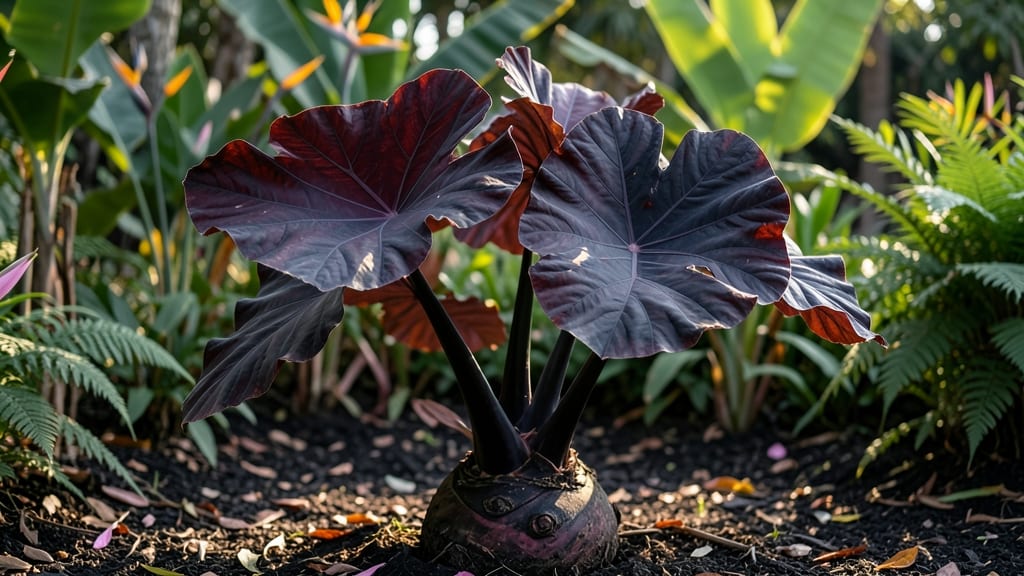
Wondering how tall does elephant ears grow before they become a towering jungle in your garden?
These tropical showstoppers can reach anywhere from 2 feet to a staggering 10 feet, depending on the variety and care you provide. 🌿 Whether you're dreaming of dramatic backyard statements or compact patio plants, understanding their growth potential is the first step to creating the perfect display.
The key to choosing the right elephant ear for your space lies in knowing the differences between varieties. Dwarf types stay under 3 feet, making them ideal for containers or small gardens, while giant varieties like 'Mammoth' can shoot up to 6 feet or more.
Even in USDA Zone 6a, these plants thrive with the right conditions, so your location shouldn't hold you back from adding some tropical flair.
But here's the catch: their height isn't just about genetics. Factors like sunlight, soil quality, and even how much you water can influence how tall they grow. Too much shade might stunt their height, while rich, moist soil can encourage them to reach their full potential.
If you're working with limited space, don't worry—there are ways to manage their growth without sacrificing their stunning foliage.
In this guide, I'll break down everything you need to know about elephant ear heights, from selecting the perfect variety for your garden to care tips that keep them thriving.
Whether you're a seasoned gardener or just starting out, you'll discover how to make the most of these eye-catching plants, no matter how much space you have.


Elephant ear height by variety: from dwarf to towering giants
Elephant ears (Colocasia and Alocasia) are famous for their bold, tropical foliage and dramatic height variations. While some varieties stay under 3 feet, others can tower over 10 feet tall, making them perfect for statement-making garden beds or containers.
Understanding these differences helps you choose the right plant for your space and design goals.
Most gardeners focus on two genera: Colocasia (taro) and Alocasia (true elephant ears). Colocasia varieties tend to be slightly shorter, while Alocasia can reach extraordinary heights. For example, the Alocasia 'Polly' stays compact at 2-3 feet, while Alocasia 'Dragon Scale' can stretch to 6-8 feet in ideal conditions.
Here’s how to visualize their sizes: Imagine a standard door frame (6.5 feet). Most Colocasia varieties reach this height, while Alocasia giants can exceed it by 3-4 feet.
In containers, even large varieties can be managed with proper care, but their roots will need deep, spacious pots to support their height.
🌿
| Variety | Mature Height | Spread | Best For |
|---|---|---|---|
| Colocasia 'Black Magic' | 3-4 ft | 2-3 ft | Containers, small gardens |
| Colocasia 'Illustris' | 4-5 ft | 3-4 ft | Border plants, mid-height beds |
| Alocasia 'Polly' | 2-3 ft | 1-2 ft | Containers, indoor plants |
| Alocasia 'Dragon Scale' | 6-8 ft | 4-5 ft | Tropical gardens, large beds |
| Alocasia 'Giant Taro' | 8-10 ft | 5-6 ft | Back of borders, statement plants |
Height can vary based on sunlight, soil, and care
If you’re working with limited space, opt for dwarf varieties like 'Baby Moon' or 'Blue Shadow', which stay under 3 feet. These are perfect for patio containers or window boxes.
Meanwhile, giant varieties like 'Giant Taro' or 'Alocasia 'Sapphire' thrive in humid, tropical climates with rich, moist soil.
Environmental factors like sunlight exposure and soil fertility can influence height. For instance, Alocasia varieties grown in full shade may stay shorter, while those in bright, indirect light can reach their maximum height.
Always check the USDA hardiness zone for your area—most elephant ears prefer zones 8-11, but some Colocasia varieties tolerate cooler climates.
For container gardening, choose a pot that’s at least 12-18 inches deep for medium-sized varieties and 20+ inches for giants. Add compost-rich potting mix and drainage holes to prevent root rot, which can stunt growth.
In ground, these plants spread aggressively, so give them 3-5 feet of space depending on the variety.
Pro tip: If you love the look of tall elephant ears but lack space, try pruning to control height. Regularly pinch back new growth to encourage bushier, shorter plants. This works best with Colocasia varieties and can reduce height by 20-30% without sacrificing foliage.
🌱
Elephant ear height by variety: from dwarf to towering giants
Elephant ears (Colocasia and Alocasia) offer a stunning range of heights, from compact dwarf varieties perfect for containers to giant tropical specimens that reach skyscraper proportions. Understanding these differences helps you plan your garden layout and choose plants that fit your space.
Most elephant ears mature between 3 to 6 feet, but some rare varieties can exceed 10 feet under ideal conditions.
If you're working with limited space, dwarf varieties like 'Black Magic' or 'Pink China' stay under 3 feet, making them ideal for patios or small gardens.
On the other hand, giant varieties such as 'Illustris' or 'Mojave' can tower over 6 feet, creating dramatic focal points in larger landscapes. Let’s break down the height ranges so you can pick the perfect fit for your garden.
Elephant Ear Height Comparison
| Variety | Height Range | Spread | Best For |
|---|---|---|---|
| Dwarf Varieties (e.g., 'Black Magic', 'Pink China') | 2–3 ft | 1–2 ft | Containers, small gardens |
| Standard Varieties (e.g., 'Illustris', 'Mojave') | 4–6 ft | 3–4 ft | Garden beds, borders |
| Giant Varieties (e.g., 'Alocasia 'Dragon Scale') | 6–10+ ft | 4–5 ft | Large gardens, tropical landscapes |
Sunlight and soil quality play a huge role in determining how tall your elephant ears will grow. Partial shade (4–6 hours of morning sun) is ideal, as too much direct sunlight can scorch their large leaves.
Rich, moist, well-draining soil packed with organic matter encourages faster and healthier growth. If your plants aren’t reaching their expected height, check your soil’s fertility and adjust your watering routine.
For tropical climates, elephant ears can grow even taller and more vigorously, sometimes reaching heights of 10 feet or more. In cooler regions, their growth may be slower, but they still thrive with proper care.
If you’re growing giant varieties, consider staking or providing support to prevent flopping leaves, especially in windy areas.
One of the most striking features of elephant ears is their foliage diversity. While height is important, the color and texture of their leaves also influence how you use them in your garden.
For example, 'Illustris' has deep purple-black leaves that contrast beautifully with taller grasses, while 'Pink China' adds a soft, pastel touch to mixed borders. Pairing heights and colors thoughtfully creates a layered, dynamic look.
If you’re unsure which variety to choose, start with a standard-sized plant like 'Illustris' or 'Mojave' for a balance of drama and manageability. These varieties offer the best of both worlds—height and adaptability—while still fitting into most garden layouts.
For smaller spaces, don’t overlook the charm of dwarf varieties; they bring the same tropical vibe without the bulk.