
How To
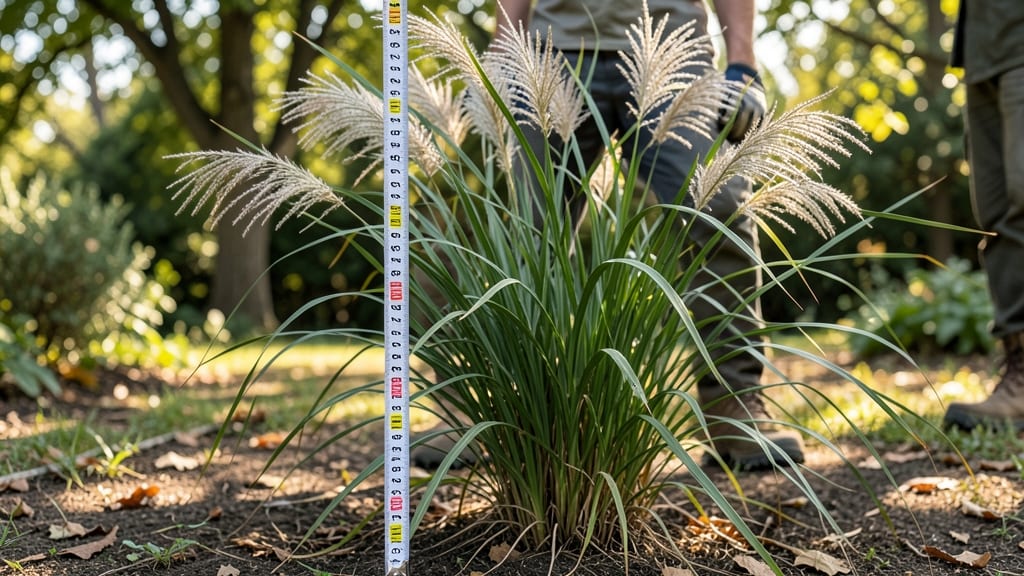
If you're wondering how tall does elephant grass grow, this fast-growing privacy screen or dramatic ornamental grass could be your game-changer—but its height depends on the variety and growing conditions.
The fastest types, like Pennisetum purpureum, can reach 20 feet in just one season, towering over most garden plants. Whether you're in USDA Zone 6a or warmer climates, understanding these growth patterns helps you plan for space and maintenance from the start.
From creating natural windbreaks to controlling erosion, elephant grass delivers big results—but its rapid ascent means proper spacing and pruning are key. Let's break down exactly what to expect and how to manage it.
You'll discover which varieties grow tallest, how climate affects their height, and whether they're invasive in your area. Ready to transform your landscape with this fastest-growing grass?


Elephant grass height by variety: fastest-growing types and their peak heights
Elephant grass—scientifically known as Pennisetum purpureum—is famous for its towering presence, but not all varieties reach the same heights. Some can soar to 20 feet or more, while others stay shorter for easier management.
If you're planning a privacy screen or erosion control project, choosing the right variety is key to achieving your goals without overwhelming your space.
Most elephant grass types fall into two main categories: tropical varieties (like Pennisetum purpureum) and cold-hardy types (such as Miscanthus sinensis). Tropical varieties tend to grow faster and taller, while cold-hardy types are more compact but still impressive.
Let’s break down the height ranges and growth rates so you can pick the perfect fit for your garden.
🌱 Comparison Table: Elephant Grass Height by Variety
| Variety | Mature Height | Growth Rate | Best For |
|---|---|---|---|
| Pennisetum purpureum (Tropical) | 12–20+ feet | 3–5 feet per year | Privacy screens, erosion control |
| Miscanthus sinensis (Cold-Hardy) | 6–12 feet | 2–3 feet per year | Ornamental borders, small gardens |
| Pennisetum alopecuroides (Dwarf) | 3–5 feet | 1–2 feet per year | Container gardens, small spaces |
| Miscanthus giganteus (Giant) | 10–14 feet | 3–4 feet per year | Large landscapes, dramatic accents |
The Pennisetum purpureum variety is the fastest grower, often reaching 20 feet in just one season if given ideal conditions—think full sun, rich soil, and regular watering. In contrast, Miscanthus sinensis varieties grow more slowly but are perfect for colder climates, where tropical types might struggle.
If you're working with limited space, Pennisetum alopecuroides is a great choice, staying under 5 feet tall while still offering ornamental value.
Another factor to consider is the growth habit. Some elephant grass varieties spread aggressively, while others stay clumped. For example, Miscanthus giganteus grows tall but remains relatively narrow, making it ideal for vertical accents in large gardens.
Meanwhile, Pennisetum purpureum can spread widely, so it’s best planted in contained areas or where its spread won’t be a nuisance.
If you're aiming for a quick privacy screen, tropical varieties like Pennisetum purpureum are your best bet—they can block views in as little as one growing season. However, if you're in a cooler climate, opt for Miscanthus types, which are hardier and still impressive in height.
Always check your USDA hardiness zone before planting to ensure your chosen variety will thrive.
One common misconception is that all elephant grass grows 20 feet tall. In reality, many varieties max out at 6–12 feet, making them far more manageable for smaller gardens. For instance, Miscanthus sinensis 'Malepartus' typically stays around 8 feet tall, while 'Gracillimus' reaches only 4–5 feet.
This variety is perfect for container gardening or as a low hedge.
For those in humid or tropical climates, Pennisetum purpureum is a powerhouse, but it can become invasive if not controlled. Always research local regulations, as some areas consider it a noxious weed.
In contrast, Miscanthus varieties are generally non-invasive and well-behaved in most gardens. If you're unsure, start with a small patch to test how the grass behaves in your specific conditions.
Finally, remember that soil quality and water availability play huge roles in determining how tall your elephant grass will grow. Well-draining, nutrient-rich soil paired with consistent moisture will encourage faster and taller growth.
If your soil is poor, consider amending it with compost or a balanced fertilizer to give your grass the best chance to reach its full potential.
Whether you're dreaming of a lush privacy screen or a striking ornamental feature, choosing the right elephant grass variety is the first step to success. With the right type, you can enjoy its dramatic height and texture without the headaches of unmanageable growth.
Elephant grass height by variety: fastest-growing types and their peak heights
Elephant grass isn't just one plant—it's a group of fast-growing grasses with dramatically different heights depending on the variety. The most aggressive types, like Pennisetum purpureum, can reach 20 feet in a single growing season, while cold-hardy varieties like Miscanthus sinensis typically max out around 12 feet.
Understanding these differences helps you choose the right type for your landscape goals.
For privacy screens or windbreaks, you'll want the tallest varieties, but for smaller gardens, dwarf types (though rare) or properly spaced clumps can work. Climate also plays a role—tropical varieties grow faster in warm zones, while temperate types slow down in cooler summers.
Let's compare the most popular types and their mature heights.
| Variety | Mature Height | Growth Rate | Best For |
|---|---|---|---|
| Pennisetum purpureum | 12–20 ft | 3–5 ft/year | Privacy screens, erosion control |
| Miscanthus sinensis | 6–12 ft | 2–4 ft/year | Ornamental borders, cold climates |
| Pennisetum alopecuroides | 4–8 ft | 1–3 ft/year | Small gardens, containers |
| Saccharum ravennae | 10–15 ft | 3 ft/year | Tall ornamental accents |
If you're planting for instant privacy, Pennisetum purpureum is the fastest choice, but it requires regular pruning to prevent it from overwhelming smaller gardens. For low-maintenance height control, Miscanthus sinensis is a better fit—it grows more slowly and stays within a 6–12 foot range even in ideal conditions.
Climate also affects height—tropical varieties like Pennisetum purpureum grow 30–50% taller in USDA Zones 9–11 compared to cooler zones. In Zone 6a, expect 20–30% slower growth unless you use heat-loving varieties. Always check your local nursery for region-specific recommendations to avoid disappointment.
One common misconception is that all elephant grass becomes invasive. While Pennisetum purpureum can spread aggressively in warm climates, Miscanthus sinensis varieties are generally well-behaved with controlled clumping. If you're in a humid subtropical zone, consider rhizome barriers to prevent unwanted spread.
For gardeners in smaller spaces, dwarf varieties like Pennisetum alopecuroides offer the look of height without the bulk, reaching only 4–8 feet. These work beautifully in container gardens or as border accents where you want texture without sacrificing space.
Just remember—even dwarf types need full sun and well-draining soil to reach their potential.