
Lawn
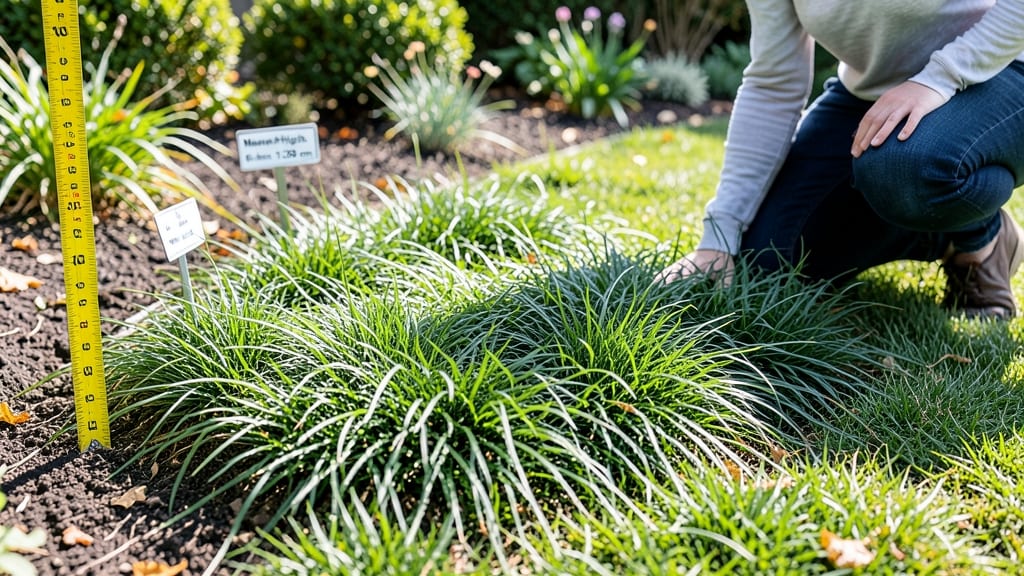
If you're dreaming of a lush, green lawn but wondering "how tall will Bermuda grass grow" before committing, the answer depends more on your variety and care routine than you might think.
This hardy grass isn't one-size-fits-all—some varieties stay compact while others reach impressive heights, all while thriving in USDA Zone 6a and beyond.
Picture this: your 🌱 Bermuda grass could be as short as 1 inch for golf-course precision or stretch up to 2 feet for a wild, natural look. The key lies in understanding your specific variety and climate conditions, which dramatically influence growth patterns and maintenance needs.
What you'll discover here are the real height ranges for popular Bermuda varieties, how your local climate affects growth, and practical tips to control or encourage height based on your landscaping goals.
Whether you're planting in spring or maintaining an established lawn, these insights will help you achieve the perfect balance.
From dwarf varieties that stay neatly trimmed to robust types that spread aggressively, we'll cover everything you need to know to set the right expectations. Let's dive into the factors that shape your Bermuda grass's height and how to work with them for a stunning lawn.


Bermuda grass height ranges by variety: from dwarf to giant
Bermuda grass is famous for its rapid growth and dense coverage, but its mature height varies dramatically depending on the variety you choose. While some types stay compact like a well-manicured carpet, others can reach nearly waist-high if left unchecked.
Let’s explore the height ranges of the most popular Bermuda grass varieties so you can pick the perfect fit for your lawn or landscape.
Most homeowners expect Bermuda grass to stay between 1 to 2 feet tall when maintained properly. However, some hybrid varieties like Tifway 419 or Midiron can grow taller—up to 2.5 feet—if they’re not mowed regularly. Understanding these differences helps you set realistic expectations and plan your maintenance routine accordingly.
Here’s a quick look at how different Bermuda grass varieties compare in terms of height:
The Tifway 419 variety is often used on golf courses because it can grow tall and dense, but it requires regular mowing to keep it under control. On the other hand, Celebration Bermuda is a favorite for residential lawns because it stays shorter and handles shade better than other varieties.
If you’re looking for a low-maintenance option, consider Yukon Bermuda, which tops out around 1 foot tall and spreads slowly.
Soil conditions also play a role in Bermuda grass height. Well-draining soil with a pH between 6.0 and 7.5 encourages healthy growth, while poor soil can stunt the grass or cause uneven height.
If your soil is heavy clay or sandy, amending it with compost or organic matter can help your Bermuda grass reach its full potential height without struggling.
Climate is another critical factor. In hot, dry regions like the Southwest U.S., Bermuda grass often grows taller and coarser to conserve moisture. Meanwhile, in humid Southern states, the grass may stay shorter but denser due to higher rainfall.
If you’re in a cooler climate like Zone 7, you might see slower growth and shorter heights unless you provide extra care during the growing season.
For home gardeners, the key to controlling height is consistent mowing. Most varieties should be mowed to a height of 1 to 2 inches to encourage a thick, healthy lawn.
Mowing too short can stress the grass, while letting it grow too tall can lead to thatch buildup and weak roots. Use a sharp mower blade and never remove more than one-third of the blade height in a single mowing session.
If you’re using Bermuda grass for ornamental purposes, like edging a garden bed or creating a low hedge, choose a dwarf variety or keep it trimmed shorter. For sports fields or high-traffic areas, taller varieties like Tifway 419 can handle the wear and tear better.
The right variety and maintenance routine will ensure your Bermuda grass stays at the perfect height for your needs.
🌱
How climate zones affect Bermuda grass height: hot vs. humid vs. arid
Your USDA hardiness zone plays a bigger role in Bermuda grass height than you might think. While most varieties thrive in Zones 7–10, the same grass can grow 1 foot shorter in dry, arid climates compared to steamy, humid regions.
Let’s explore how your local climate shapes your lawn’s height and density.
In hot, arid zones (like Arizona or Southern California), Bermuda grass typically stays on the shorter side—around 1–1.5 feet—because drought stress forces it to conserve energy. Meanwhile, in humid Southern climates (Florida, Georgia), the same varieties can reach 1.5–2 feet thanks to consistent moisture and warmth year-round.
🌱
🌡️ Climate Impact on Bermuda Grass Height
In cooler climates (like Northern Texas or Southern Oklahoma), Bermuda grass may only reach 0.5–1 foot due to winter dormancy. Even in these zones, though, proper fall fertilization can encourage thicker growth before the first frost. The key is understanding your local growing season length—longer seasons mean taller grass.
Humidity also affects density more than height. In high-humidity zones, Bermuda grass grows thicker but may develop fungal issues if not mowed regularly. In contrast, low-humidity areas require more frequent watering to maintain even growth.
Adjust your watering schedule based on your climate to keep your lawn lush without encouraging overgrowth.
For southern gardeners, Bermuda grass can grow aggressively if left unchecked, especially in Zones 9–10. Here, varieties like Celebration or Midiron may reach 2 feet without proper mowing. In Zone 7, expect shorter growth unless you’re using hybrid varieties designed for cooler climates.
💧