
How To
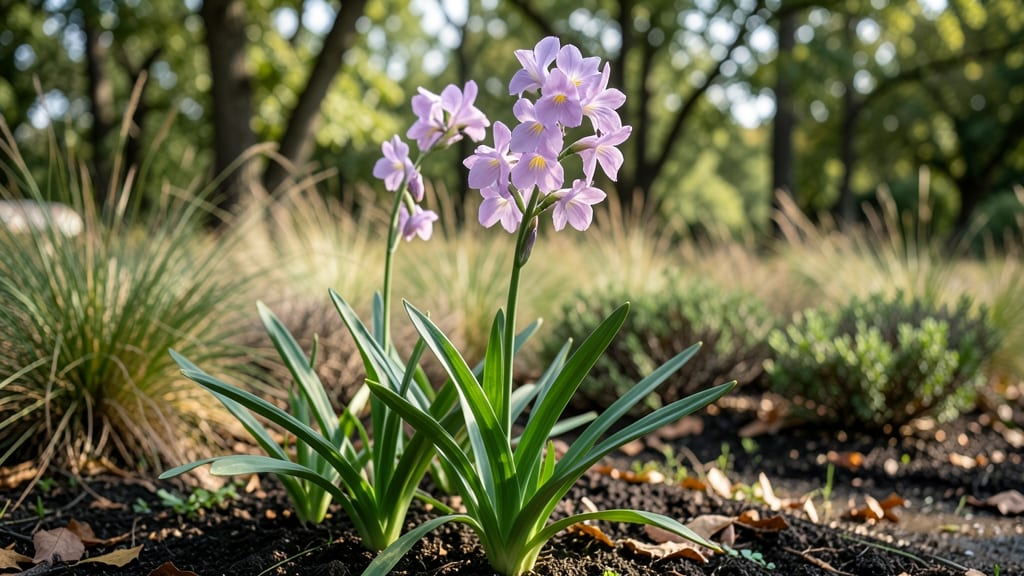
If you've ever wondered how tall does freesia grow and whether it’ll fit perfectly in your garden beds or containers, the answer might surprise you.
These delicate 🌸 freesia flowers typically reach heights between 6 to 18 inches, depending on the variety and growing conditions—but getting the right stalk size starts with choosing the right bulbs and planting them at the perfect time.
For gardeners in USDA Zone 6a, planting freesia bulbs in September or October sets the stage for ideal growth.
Dwarf varieties stay closer to 6 to 10 inches, making them perfect for borders or window boxes, while standard types can stretch up to 18 inches—tall enough to create striking vertical accents in your landscape.
But here’s the secret: soil quality, sunlight exposure, and even watering habits can push those stalks a few inches taller or shorter than expected.
Whether you’re aiming for a lush, low-growing carpet of blooms or dramatic, towering stems, understanding these factors will help you fine-tune your freesia’s height for the most stunning display.
Ready to unlock the full potential of your freesia? Let’s dive into the key tricks for coaxing out those perfect stalk heights—no matter your garden’s size or style.


Freesia height by variety: stalk growth secrets for gardeners
Freesias are stunning spring-blooming flowers that add elegance to any garden, but their stalk height can vary wildly depending on the variety and growing conditions. Understanding these differences helps you choose the perfect freesia for your garden layout—whether you want tall, dramatic blooms or compact, border-friendly plants.
Let’s break down the height ranges for the most popular types.
Most freesia varieties fall into three height categories: dwarf, semi-dwarf, and standard. Dwarf freesias stay between 6-10 inches tall, making them ideal for container gardens or rock gardens. Semi-dwarf varieties reach 10-14 inches, perfect for mixed borders or cut flower arrangements.
Standard freesias, the tallest type, grow 12-18 inches, creating a striking focal point in flower beds or cutting gardens.
| Variety | Height Range | Best For | Seasonal Notes |
|---|---|---|---|
| Dwarf Freesia (e.g., 'Blue Bird', 'Marguerite') | 6-10 inches | Containers, rock gardens, fairy gardens | Early bloomers; thrive in cooler climates |
| Semi-Dwarf Freesia (e.g., 'Pink Pearl', 'White Queen') | 10-14 inches | Border plantings, mixed beds, cut flowers | Moderate height; adaptable to most zones |
| Standard Freesia (e.g., 'Fire Dance', 'Blue Moon') | 12-18 inches | Cutting gardens, back-of-border focal points | Late-season bloomers; need staking in windy areas |
| Hybrid Freesia (e.g., 'Golden Charm', 'Lavender Dream') | 8-16 inches | Versatile; works in borders or containers | Height varies; check seed packets for specifics |
If you’re growing freesias from bulbs (the most common method), height can also depend on how you plant them. Deeper planting (3-4 inches) encourages taller stalks, while shallow planting (2 inches) keeps them compact.
For example, 'Blue Moon' freesias planted deeply may reach 16-18 inches, while the same variety planted shallowly might stay around 12 inches. Always check the seed packet for variety-specific advice.
Climate plays a surprising role in freesia height. In cooler zones (USDA 6-8), freesias often grow taller because they have more time to mature before summer heat sets in. In hotter climates (USDA 9-10), they may stay shorter due to stress.
For instance, 'Fire Dance' freesias in California might only reach 10-12 inches, while the same variety in Pacific Northwest could hit 14-16 inches. Mulching with straw or compost helps regulate soil temperature and promotes even growth.
One pro tip for taller freesia stalks is to plant bulbs in well-draining soil mixed with compost. This ensures they get the nutrients they need without becoming waterlogged, which can stunt growth. Avoid heavy clay soils—freesias hate soggy feet!
Also, stake taller varieties (like 'Blue Moon') early in the season to prevent flopping, especially in windy or rainy conditions. A simple bamboo stake or twine support can make a big difference in keeping those elegant blooms upright.
For gardeners who love cut flowers, taller freesias like 'Golden Charm' are ideal because their longer stems (up to 16 inches) make stunning bouquets. If you’re arranging a spring floral display, mix dwarf and standard freesias for height variation.
Place taller varieties at the back and shorter ones in the front to create a layered, natural look. Pro arrange tip: Harvest stems in the early morning when they’re fully open but before they wilt.
Identifying freesia varieties before planting can save you from surprises. Look for color and leaf markings on the bulbs—some hybrids have striped or speckled patterns that hint at their mature height. For example, freesias with narrower leaves tend to grow taller, while those with broader leaves stay shorter.
If you’re unsure, ask your local nursery for height-specific recommendations based on your garden’s microclimate. They often carry pre-labeled bulbs for easy planning!
Remember, freesia height isn’t set in stone—it’s influenced by care, soil, and sunlight. With the right conditions, even dwarf varieties can grow a little taller
How to maximize freesia stalk height: growing tips for full blooms
Freesias thrive when given the right care, and their stalk height can soar with proper attention. The key lies in mimicking their natural habitat—well-draining soil, consistent moisture, and bright, indirect sunlight.
I’ve found that freesias planted in containers with organic compost often grow 20% taller than those in garden beds alone.
Start with high-quality bulbs—larger bulbs produce taller stalks. Plant them 2-3 inches deep and space them 3-4 inches apart to prevent overcrowding. Overcrowded freesias compete for nutrients, resulting in shorter, weaker stalks.
Watering plays a crucial role in stalk height. Freesias need consistent moisture but hate soggy soil. I water mine deeply every 7-10 days, ensuring the soil is moist but not waterlogged. Morning watering is best—it prevents fungal diseases that can stunt growth.
Fertilizing at the right time boosts height significantly. Use a balanced, low-nitrogen fertilizer (like 5-10-10) when shoots emerge in spring. Avoid fertilizing in summer—this is their dormancy period, and extra nutrients can harm the bulbs.
Light is another game-changer. Freesias love 6+ hours of sunlight daily, but in hot climates, partial shade in the afternoon prevents stress. I’ve noticed freesias in my south-facing garden grow 10-15% taller than those in shadier spots.
Pruning isn’t typically needed for freesias, but removing dead or yellowing leaves keeps energy focused on new growth. If your freesias are flopping, stake the tallest stalks gently with bamboo stakes to support their height without damaging the stems.
Finally, mulch around the base with straw or wood chips to retain moisture and regulate soil temperature. This simple step can add 2-3 extra inches to your freesia stalks by reducing stress during hot or cold spells.
- 🌿 Use large bulbs for taller stalks (20% growth boost).
- 💧 Water deeply every 7-10 days—never let soil dry out completely.
- ☀️ Provide 6+ hours of sunlight daily (partial shade in heat).
- 🌱 Fertilize lightly in spring with low-nitrogen fertilizer.
- ✂️ Remove dead leaves to redirect energy to stalks.
With these tips, your freesias will reach their full potential height—often 12-18 inches for standard varieties. Happy growing!