
How To
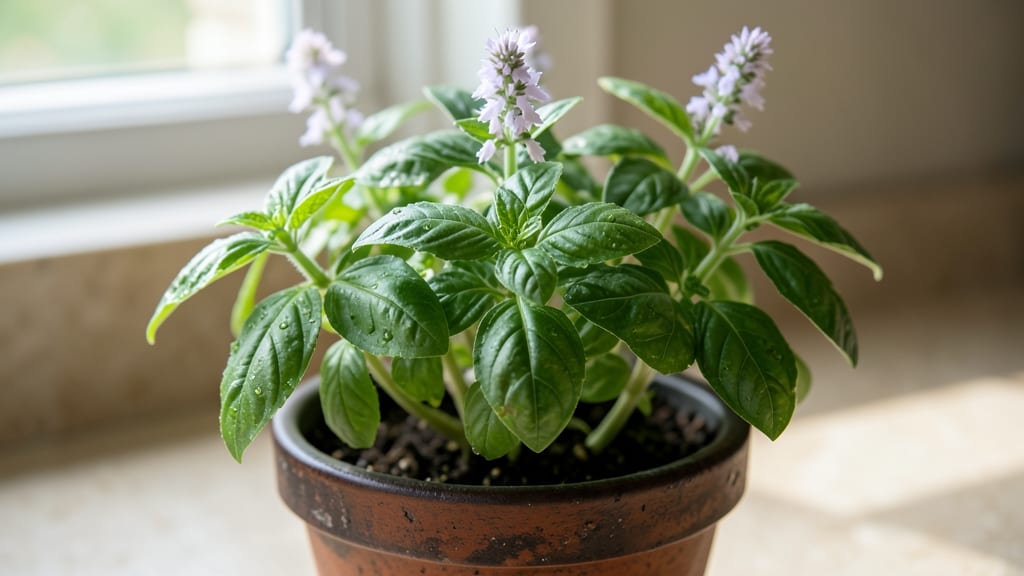
Wondering how tall does Genovese basil grow before it takes over your garden? This vibrant 🌿 herb typically reaches a manageable 1-2 feet when given proper care, but without the right techniques, it can quickly shoot up and become unruly.
The good news? With simple pruning methods, you can keep it compact while maximizing flavor and yield for your kitchen.
Genovese basil thrives in full sun and warm conditions, which naturally encourages vertical growth. In ideal conditions—like your 6a zone—it can grow taller if left unchecked, but most gardeners prefer the bushier, more manageable 2-foot version.
The key lies in understanding when and how to trim, ensuring your basil stays productive without sprawling.
Beyond height control, pruning also boosts leaf production and flavor, making every harvest worth the effort. Whether you're growing it in pots or garden beds, these techniques will help you maintain a compact, flavorful plant that’s perfect for pesto, salads, or garnishes.
Let’s dive into the secrets of keeping your Genovese basil at its best height.
From pinching young shoots to harvesting regularly, small adjustments make a big difference. You’ll learn how to encourage bushier growth while preventing leggy stems, ensuring your basil stays useful and delicious all season long. Ready to master the art of pruning? Let’s get started.


Natural growth height of Genovese basil: what to expect without pruning
Genovese basil naturally reaches a mature height of 1-2 feet when grown under ideal conditions. Without pruning, this Italian heirloom variety can grow slightly taller—sometimes up to 24 inches—especially in warm climates with abundant sunlight.
The key difference between controlled and wild growth lies in how you manage its stem elongation and leaf density.
Outdoors, Genovese basil thrives in USDA Zones 6a-10, where it grows upright with broad, dark green leaves spaced along sturdy stems. In containers, its height remains more manageable (typically 12-18 inches) due to restricted root space.
The plant’s natural growth habit is bushy and compact when regularly harvested, but neglect leads to leggy, sparse foliage.
Sunlight exposure dramatically affects height—6+ hours of direct sun daily accelerates vertical growth, while partial shade keeps it shorter but may reduce flavor intensity. Indoor growers often see taller, weaker stems (up to 3 feet) due to insufficient light, which triggers etiolation (stretching toward light sources).
Genovese basil’s growth timeline is rapid: it reaches harvestable size (6-8 inches) in just 30-45 days from seed. Left unchecked, it can bolt (flower) by day 60, signaling the end of its productive phase. Pruning isn’t just about height—it’s about preventing bolting and maintaining flavorful leaves.
| Factor | Outdoor Growth | Indoor Growth | Pruned Growth |
|---|---|---|---|
| Height Range | 18-24 inches | 24-36 inches | 12-18 inches |
| Stem Thickness | Medium (pencil-thick) | Thin (spindly) | Sturdy (bushy) |
| Leaf Density | High (compact) | Low (sparse) | Very High |
| Bolting Risk | Moderate (with pruning) | High (without light) | Low (delayed) |
| Flavor Intensity | Strong (sun-exposed) | Mild (light-deprived) | Peak (regular harvest) |
Contrary to popular belief, Genovese basil doesn’t "run wild" like some invasive plants—it’s a determinate grower, meaning its height is naturally self-limiting. The 2-foot mark is its sweet spot when balanced with regular pruning and proper spacing (12-18 inches apart).
In my garden, I’ve seen it top out at 22 inches during peak summer, but with consistent harvesting, it stays lush and under 18 inches.
Another myth is that dwarf varieties exist—Genovese basil is a standard-height cultivar, not a dwarf. However, its growth can be naturally stunted by crowded conditions or nutrient competition. For example, planting it too close to tomatoes (its classic companion) can limit its height due to shared resources.
The solution? Give it 6-12 inches of space from other plants.
To visualize its growth, imagine a small shrub with broad leaves—similar in stature to a potted rosemary but with a softer, more delicate appearance. Its height is deceptive; what really matters is the leaf-to-stem ratio.
A well-pruned plant will have 3-4 leaves per inch of stem, while an unpruned one may stretch to 6 inches between leaves.
For home gardeners, the key takeaway is that Genovese basil’s height is manageable with minimal effort. The 2-foot height isn’t a hard limit—it’s an ideal target for flavor, productivity, and aesthetics. With the right conditions, you can keep it even shorter while enjoying bountiful harvests all season.
Natural growth height of Genovese basil: what to expect without pruning
Genovese basil thrives in warm climates and can reach its natural mature height of 18–24 inches if left unpruned. Without regular trimming, its stems elongate, searching for sunlight, while its broad, fragrant leaves create a dense canopy.
This growth habit makes it perfect for culinary gardens but can overwhelm small spaces if unchecked.
The herb’s vertical growth is heavily influenced by sunlight exposure. In outdoor gardens, full sun (6+ hours daily) accelerates its climb to the 2-foot mark within 6–8 weeks. Meanwhile, indoor plants near a south-facing window may max out at 12–18 inches due to weaker light.
Here’s how Genovese basil’s height compares in different settings:
| Growing Condition | Expected Height | Key Notes |
|---|---|---|
| Outdoor (Full Sun) | 18–24 inches | Fastest growth; bushy if pruned |
| Indoor (South Window) | 12–18 inches | Slower growth; leggy stems |
| Container (Balcony) | 12–20 inches | Height depends on pot size |
Many gardeners mistakenly believe Genovese basil will grow taller than 2 feet if neglected, but its natural height tops out at 24 inches. The real challenge? Preventing it from becoming woody or leggy—a sign of poor light or overcrowding.
Without pruning, the plant may also bolt (flower), reducing leaf production and flavor.
To maintain its ideal 18-inch height and maximize leaf harvests, focus on regular pruning and adequate sunlight. Even in outdoor beds, a compact 2-foot plant is achievable with consistent care—no jungle required!
🌿