
How To
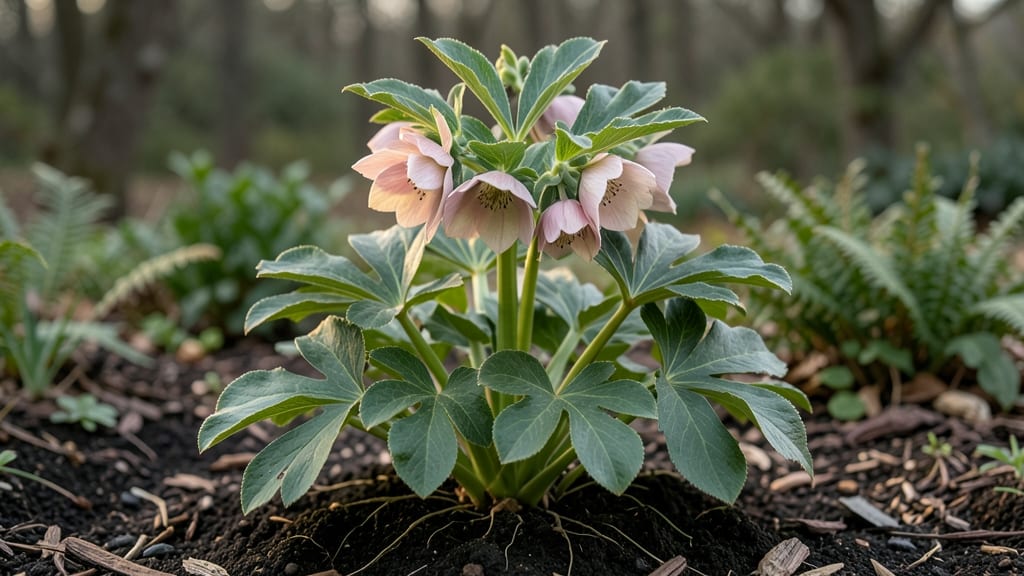
Hellebore height ranges by variety: miniature to towering types
Hellebores are the unsung heroes of shady gardens, offering stunning flowers and year-round interest with minimal fuss. But here’s the catch: their height can vary dramatically depending on the variety and growing conditions.
Some stay compact enough for rock gardens or borders, while others grow tall enough to anchor a woodland backdrop. Let’s break down the height ranges by species so you can pick the perfect fit for your space.
If you’re planning a layered garden design, understanding these height differences is key. A 6-inch dwarf hellebore can tuck neatly into a crevice, while a 24-inch hybrid might need its own spotlight.
The good news? Most hellebores mature slowly, so you’ll have time to adjust your garden layout as they grow.
| Variety | Mature Height | Growth Habit | Best For |
|---|---|---|---|
| Helleborus niger (Christmas Rose) | 12–18 inches | Clump-forming | Woodland edges, borders |
| Helleborus orientalis (Lenten Rose) | 18–24 inches | Clump-forming | Mid-height accents, containers |
| Helleborus x hybrid cultivars (e.g., 'HGC Pink Frost') | 12–30 inches | Clump-forming or semi-rhizomatous | Backdrop plants, mixed borders |
| Dwarf varieties (e.g., 'HGC Picotee') | 6–12 inches | Compact clumps | Rock gardens, alpine beds |
Dwarf varieties like 'HGC Picotee' are perfect for small spaces or container gardens, while taller hybrids can create a dramatic vertical focal point. Even within a single species, like Helleborus orientalis, heights can vary.
For example, some cultivars stay under 18 inches, while others stretch toward 24 inches. Always check the specific cultivar’s tag for precise expectations.
The Christmas Rose (Helleborus niger) is one of the most compact options, typically reaching 12–18 inches at maturity. Its delicate white or pink blooms appear in winter, making it a standout in early-season gardens.
In contrast, Lenten Rose (Helleborus orientalis) varieties often grow taller, with some hybrids exceeding 2 feet. This makes them ideal for mid-height garden layers where you want color without overwhelming nearby plants.
If you’re working with limited vertical space, consider dwarf hellebores or pruning taller varieties. Cutting back dead foliage in late spring can encourage bushier growth and prevent legginess. Just avoid heavy pruning, as hellebores store energy in their leaves for next year’s blooms.
For woodland gardens or shaded areas, taller hellebores can create a lush, naturalistic backdrop. Pair them with ferns, hostas, or pulmonarias to mimic a forest understory. In urban gardens, even a 12-inch dwarf can add year-round interest to a small patio or balcony container.
The key is matching the variety to your garden’s vertical zones.
Pro tip: Measure your garden beds before buying hellebores. A 24-inch plant in a 12-inch border will look crowded within a year or two. Leave at least 12–18 inches of space around each clump for airflow and future growth.
Hellebores are low-maintenance perennials, but their height potential depends heavily on growing conditions. Rich, well-draining soil and partial shade encourage fuller growth, while poor soil or full sun can stunt them.
We’ll dive deeper into these factors in the next section, but for now, use this height guide to plan your garden’s vertical layers with confidence.
Ready to mix and match? Start with a dwarf variety for the front, a mid-height hybrid in the middle, and a taller specimen at the back for a textured, year-round display. Your garden will thank you!
Factors that affect hellebore height: soil, sun, and care tips
Hellebores may have a general height range, but their actual growth depends heavily on environmental conditions and care practices. Unlike some plants that stretch for sunlight, hellebores respond to soil quality, light exposure, and pruning habits in unique ways.
Understanding these factors helps you control height or encourage fuller growth for your garden design.
One of the biggest influences on helleborus height is soil fertility. These plants thrive in rich, well-draining soil packed with organic matter. If your garden soil is nutrient-poor, hellebores may stay shorter than expected or produce fewer leaves.
Amending the soil with compost or leaf mold before planting can give them the boost they need to reach their full mature height potential.
Sunlight plays a critical role in determining how tall hellebores grow. While they tolerate partial shade, too little light can stunt their growth. In bright, filtered light, hellebores typically reach their optimal height and produce more vigorous blooms.
However, direct afternoon sun can scorch their leaves, leading to stunted growth or leggy stems. Aim for morning sun with afternoon shade for best results.
Pruning habits also directly impact height. Unlike many perennials, hellebores don’t need regular pruning, but removing dead or damaged leaves in early spring helps maintain a neat appearance and encourages new growth.
If you notice overly tall stems with sparse foliage, it may be a sign of poor light conditions or overcrowding. In such cases, gently thinning the clump can restore balance and promote healthier growth.
Another surprising factor is watering consistency. While hellebores are drought-tolerant once established, inconsistent moisture can lead to stunted growth or weak stems. During their first growing season, keep the soil evenly moist but not soggy.
Overwatering can cause root rot, which weakens the plant and limits its ability to reach its full height potential.
For gardeners in cooler climates, hellebores often grow taller and bushier because they focus energy on leaf and flower production rather than surviving harsh conditions. In warmer zones, they may enter summer dormancy, which can slightly reduce their height compared to their northern counterparts.
If you’re planting hellebores in a hotter microclimate, provide extra shade and mulch to help them thrive.
By paying attention to these key factors, you can guide hellebore growth to fit your garden’s vision—whether you want low, lush borders or taller, dramatic accents. Experiment with different varieties and conditions to find the perfect height balance for your space! 🌿