
How To
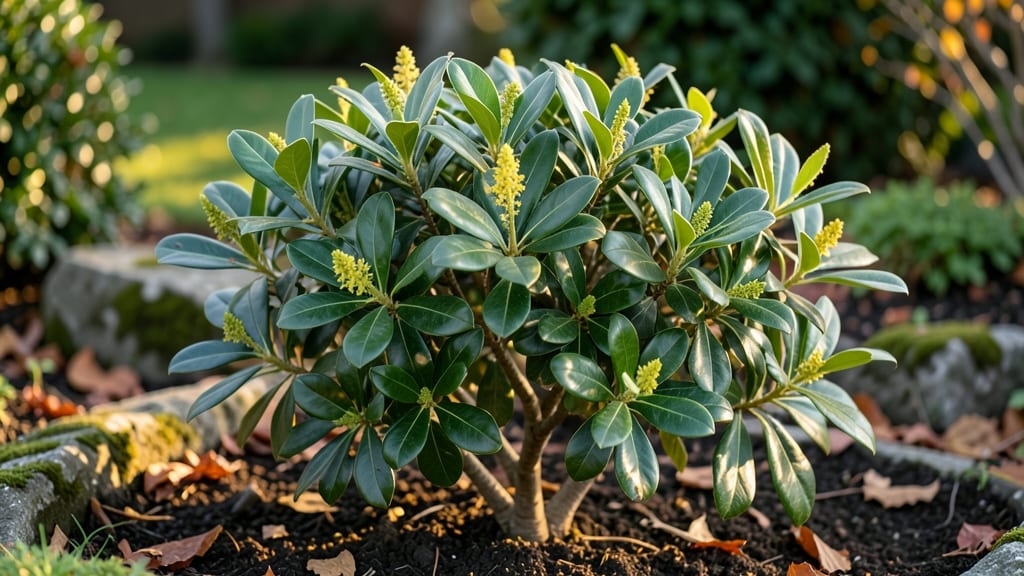
If you're wondering how tall does laurel grow, you're about to discover the surprising range—from a modest 8-foot shrub to a towering 40-foot evergreen that could outshine your entire backyard. The variety you choose makes all the difference, and knowing these heights helps you plan your garden layout perfectly.
Laurel plants like English laurel or cherry laurel can start small but grow rapidly, especially in USDA Zone 6a where spring planting gives them a head start. By year three, some varieties reach 10 feet, while others stay compact if pruned regularly.
This flexibility means you can use laurel as a privacy screen or a charming hedge—it’s all about the variety and care.
What’s even more interesting is how pruning shapes their height. With strategic cuts, you can keep a laurel at 6 feet or let it grow wild into a small tree.
Whether you’re designing a formal garden or a wild woodland edge, understanding these growth patterns ensures your laurel thrives exactly where you want it.
Ready to make your garden decisions with confidence? Let’s break down the exact heights by variety and how to control their growth so you get the perfect fit for your space.


Laurel tree height by popular variety: exact growth ranges explained
If you're planning your garden layout, knowing how tall laurel grows is essential—especially since some varieties can reach tree-like heights while others stay compact. Laurel plants (genus Laurus) include evergreen shrubs and trees, with mature heights ranging from 6 feet to over 40 feet, depending on the variety.
The key to controlling height lies in selecting the right cultivar for your space and understanding their growth habits.
For example, the English laurel (Prunus laurocerasus) is one of the most popular choices, often growing between 10 to 20 feet tall with proper care. Meanwhile, Portuguese laurel (Prunus lusitanica) can soar to 30 to 40 feet, making it ideal for privacy screens or large landscapes.
Even dwarf varieties like 'Rotundifolia' stay under 6 feet, perfect for small gardens or containers.
Here’s the critical factor: laurel height varies by variety, but all types grow at a moderate to fast rate—expecting 1 to 3 feet of growth per year once established.
Pruning can significantly influence height, especially for taller varieties, which we’ll cover in detail later. But first, let’s break down the exact height ranges for the most common laurel types.
| Variety | Mature Height (ft) | Growth Rate (ft/year) | Best For |
|---|---|---|---|
| English Laurel (Prunus laurocerasus) | 10–20 ft | 1–2 ft | Hedges, privacy screens |
| Cherry Laurel (Prunus laurocerasus 'Rotundifolia') | 6–12 ft | 0.5–1 ft | Small gardens, containers |
| Portuguese Laurel (Prunus lusitanica) | 30–40 ft | 2–3 ft | Privacy screens, large landscapes |
| Bay Laurel (Laurus nobilis) | 15–30 ft | 1–2 ft | Kitchens, large gardens |
| Dwarf Laurel (Prunus laurocerasus 'Zabeliana') | 4–6 ft | 0.3–0.5 ft | Borders, small hedges |
The English laurel is the most versatile choice for home gardens, striking a balance between manageable height and fast growth. If you’re aiming for a taller privacy screen, the Portuguese laurel is unbeatable, but it requires regular pruning to keep it in check.
For small spaces or containers, dwarf varieties like 'Rotundifolia' or 'Zabeliana' are game-changers, staying under 6 feet tall while still providing lush foliage.
One common misconception is that all laurel plants grow into towering trees. In reality, most laurel varieties can be pruned into shrubs, even if they’re genetically capable of reaching tree-like heights. For instance, a 15-foot bay laurel can be maintained at 8 feet with consistent pruning.
This flexibility makes laurel an excellent choice for hedges, topiaries, or even bonsai-style gardening if you’re creative with pruning.
Regional climate also plays a role in laurel height. In warmer USDA zones (8–10), laurel plants tend to grow taller and faster due to longer growing seasons. In cooler zones (6–7), growth may slow slightly, but the height potential remains similar.
For example, a Portuguese laurel in Zone 9 might reach 40 feet, while the same variety in Zone 7 could max out at 30 feet without ideal conditions.
If you’re planting laurel for culinary use (like bay leaves), focus on bay laurel (Laurus nobilis), which grows 15–30 feet tall but produces leaves year-round. For ornamental purposes, varieties like English laurel or cherry laurel offer stunning foliage and berries without the same height constraints.
Always check the mature height of the specific cultivar before purchasing to avoid surprises in your garden layout.
Pro tip: When selecting laurel for your garden, consider root ball size and <
Laurel tree height by popular variety: exact growth ranges explained
Laurel plants come in stunning diversity, with some varieties reaching towering heights of 40 feet while others stay neatly under 6 feet. The key to predicting your laurel's growth lies in its species and cultivation conditions.
Whether you're planning a privacy hedge or a container garden, knowing these height ranges helps you make informed choices for your landscape.
English laurel (Prunus laurocerasus) is one of the most popular varieties, typically growing between 10 to 20 feet tall in ideal conditions. Its growth rate is moderate, with 3 to 5 feet of growth per year when young.
This makes it perfect for creating natural privacy screens along property lines or as a backdrop for flower beds.
| Variety | Mature Height | Growth Rate | Best For |
|---|---|---|---|
| English Laurel (Prunus laurocerasus) | 10–20 ft | 3–5 ft/year (young) | Privacy screens, hedges |
| Cherry Laurel (Prunus laurocerasus 'Rotundifolia') | 15–30 ft | 4–6 ft/year (young) | Tall hedges, woodland gardens |
| Portuguese Laurel (Prunus lusitanica) | 20–40 ft | 5–8 ft/year (young) | Large gardens, specimen trees |
| Dwarf English Laurel (Prunus laurocerasus 'Zabeliana') | 6–10 ft | 2–3 ft/year | Small gardens, containers |
Cherry laurel (Prunus laurocerasus 'Rotundifolia') is another fast-growing variety, often reaching 15 to 30 feet tall in optimal conditions. Its broad, glossy leaves and dark purple berries make it a standout in woodland-style gardens.
If you're aiming for a natural, wild look, this variety thrives with minimal intervention.
For those with limited space, dwarf varieties like Prunus laurocerasus 'Zabeliana' are ideal. These stay between 6 to 10 feet tall and grow at a slower rate, making them perfect for containers, small yards, or foundation plantings.
Their compact size also means they require less frequent pruning, saving you time and effort.
Portuguese laurel (Prunus lusitanica) is the tallest of the bunch, often soaring to 20 to 40 feet in height. This variety is best suited for large properties or as a specimen tree in open spaces.
Its fast growth rate means it can quickly fill in large areas, but it requires regular pruning to control its size and shape.
Regional climate also plays a role in laurel height. In warmer climates, laurel plants tend to grow taller and faster due to longer growing seasons. In cooler regions, growth may be slower, with heights on the lower end of the range.
Always check your USDA hardiness zone to ensure your chosen variety will thrive.