
How To
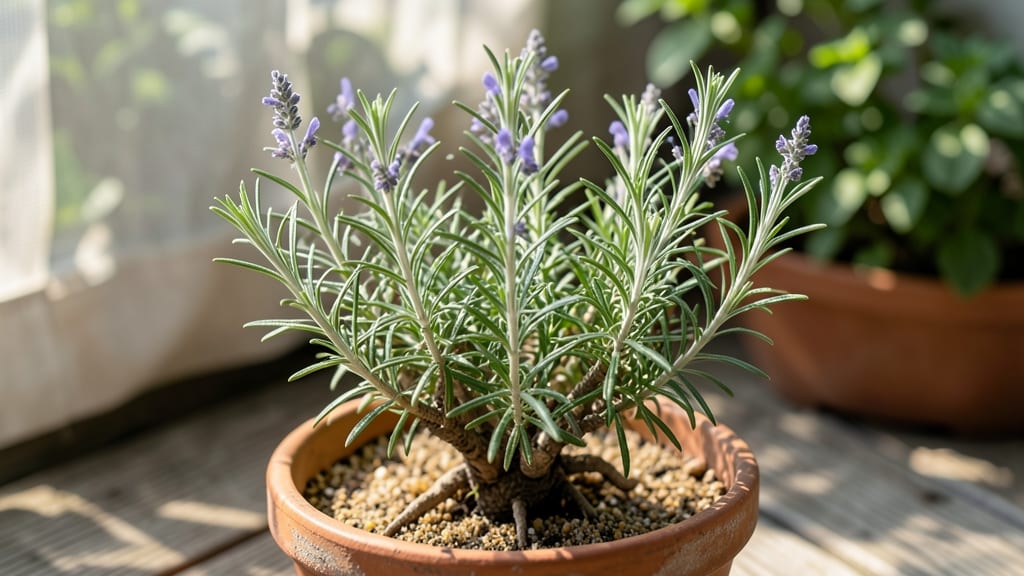
If you’ve ever wondered how tall do salvia grow, the answer might surprise you—these plants range from tiny 1-foot ground covers to towering 6-foot shrubs, depending on the variety.
Whether you’re designing a cozy herb garden or a bold pollinator-friendly border, choosing the right type is key to getting the height you want.
Some salvias, like Salvia officinalis (common sage), stay compact at 1-2 feet, making them perfect for edible gardens or window boxes. Others, such as Salvia nemorosa, can reach 3-4 feet or more, adding dramatic vertical interest to perennial beds.
The difference comes down to species, growing conditions, and even your USDA zone.
Fast-growing varieties like Salvia leucantha (Mexican bush sage) can hit their mature height in just one growing season, while others take years to reach their full potential. I’ll break down the fastest growers and how to encourage height—whether you’re working with containers or garden beds.
Ready to plan your salvia layout? You’ll also learn how to control overgrowth with pruning, staking, and smart spacing. Let’s get started!


Salvia height guide: mature size ranges by popular varieties (dwarf to Giant)
Salvia plants offer an incredible range of heights, from ground-hugging annuals to towering perennial shrubs. Choosing the right variety depends on your garden space and design goals—whether you want a low-border plant or a backyard focal point.
Most salvias reach their mature height within 1-3 years, though some fast-growing varieties can surprise you in just one season.
Understanding these height ranges helps with proper spacing and sunlight exposure. For example, dwarf varieties thrive in containers or front borders, while tall salvias need room to avoid shading smaller plants. Let’s explore the most popular types and their mature heights to help you plan your garden layout.
🌿 Key Height Categories: Dwarf (<12"), Semi-Dwarf (12"-24"), Standard (24"-48"), and Giant (48"+). Each category offers unique benefits for your garden design.
Notice how annual salvias like 'Hot Lips' often grow taller than perennials in a single season, while woody shrubs like 'Black and Blue' take years to reach their full height. This variation means you can mix fast-growing annuals with slow-growing perennials for layered interest in your garden.
For container gardening, stick to dwarf or semi-dwarf varieties like Salvia microphylla or 'May Night'. These thrive in 5-10 gallon pots with proper drainage, while taller varieties need sturdy supports or large containers to prevent toppling in wind or rain.
Another key factor is USDA Hardiness Zones. Most salvias prefer zones 5-9, but taller varieties like Salvia 'Mayan Blue' may need winter protection in colder climates. Always check your local zone before planting giants, as they can become winterkill risks in marginal areas.
If you're designing a pollinator garden, consider planting tall salvias at the back with dwarf varieties in front. This creates a staggered height effect that attracts bees and butterflies from all levels. For example, pair 'Mayan Blue' (36-48") with Salvia microphylla (6-12") for a dynamic display.
Pro tip: Measure your garden beds before selecting salvias. A 6-foot salvia planted too close to a fence or walkway will quickly outgrow its space, requiring constant pruning. Always leave 12-18 inches of clearance around taller varieties for airflow and maintenance.
🌱 For urban gardens with limited space, consider salvia hybrids bred for compact growth. Varieties like 'Caradonna' (24-30") or 'Indigo Spires' (24-36") offer vibrant colors without the bulk of traditional giants.
Fastest-growing Salvia varieties: how quickly they reach mature height
If you're eager to see your salvia bloom quickly, some varieties shoot up faster than others. Annual salvias like Salvia splendens (scarlet sage) can reach 3 feet in just 60-90 days, while perennials like Salvia nemorosa take 2-3 years to hit their full 4-foot height.
The key? Choosing fast growers and giving them ideal conditions.
For container gardens, Salvia leucantha (Mexican bush sage) grows 2-3 feet tall in one season when planted in spring.
In garden beds, Salvia officinalis (culinary sage) reaches 2 feet in its first year and doubles in height by year two. Sunlight and soil quality accelerate growth—full sun and well-draining soil cut maturation time by 30-50%.
Here’s how growth speed varies by type—plus tips to push your salvia to its fastest potential height.
To maximize speed, plant in spring when soil warms to 50°F+. Use slow-release fertilizer (like 10-10-10) at planting, then again in early summer. Containers dry out faster, so water every 3-5 days in hot weather—this prevents stunted growth.
For tall varieties like Salvia coccinea (scarlet sage), stake with bamboo supports early to avoid flopping. Dwarf types (e.g., Salvia microphylla) stay under 12 inches but bloom just as fast—ideal for window boxes or hanging baskets. Choose based on your space and timeline!
🌿