
How To
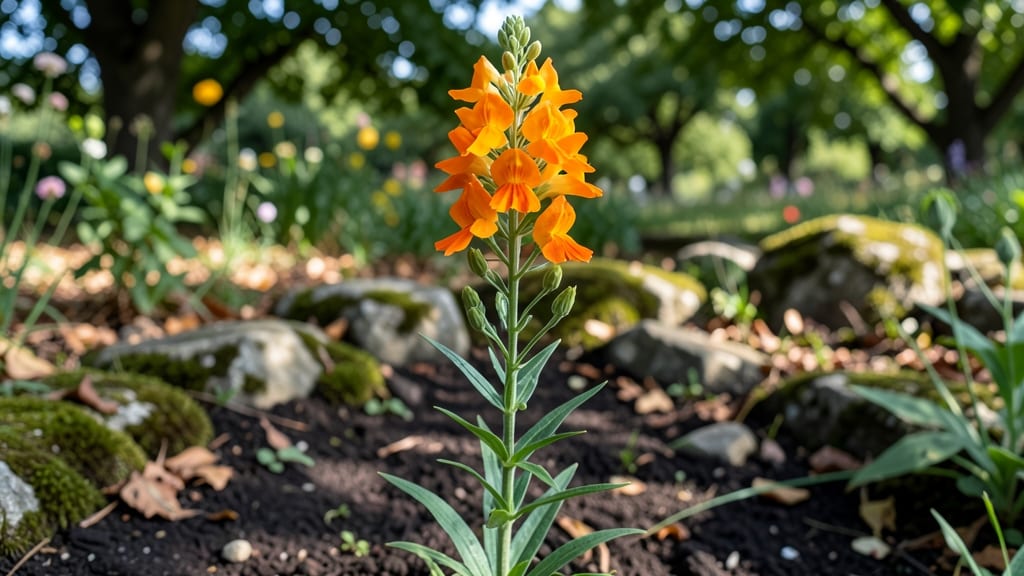
If you're planning your garden layout and wondering "how tall does Linaria grow", you're in for a pleasant surprise—this versatile plant offers a range of heights depending on the variety.
From delicate 1-foot dwarfs to towering 3-foot beauties, Toadflax 🌸 can fit almost anywhere, whether you're designing a cozy window box or a bold border.
What makes Linaria so adaptable is its ability to thrive in USDA Zone 6a and beyond, with the right care. Planting in spring (March-April) sets the stage for dramatic growth, but the real magic happens in how you nurture it.
The key to controlling height lies in pruning, soil quality, and sunlight exposure—factors that can turn a wild, sprawling plant into a neatly trimmed showstopper.
For gardeners with limited space, compact varieties like Linaria purpurea stay under 18 inches, while taller species like Linaria vulgaris can reach 36 inches or more.
The good news? With a few simple care secrets, you can guide even the tallest Linaria to stay within your desired height limits—without sacrificing those stunning blooms.
Ready to discover the exact heights of your favorite varieties and the care tricks to shape their growth? Let’s dive into the secrets of Linaria’s height potential and how to make it work for your garden vision.


Linaria height by variety: exact growth ranges for popular species
If you're planning your garden layout around Linaria—commonly called toadflax—you’ll want to know exactly how tall these cheerful blooms can grow. The answer varies wildly between varieties, from dwarf types under a foot to tall spikes reaching 3 feet.
Understanding these differences helps you choose the perfect spot, whether that’s a container garden or a backyard border.
Most gardeners focus on three key species: Linaria vulgaris (common toadflax), Linaria purpurea (purple toadflax), and Linaria dalmatica. Each has distinct height ranges that directly impact how you’ll use them in your landscape.
For example, Linaria vulgaris can become a wild, sprawling 3-foot giant if left unchecked, while Linaria dalmatica stays neatly compact at just 12-18 inches.
Here’s the key: Linaria height depends on variety, pruning habits, and growing conditions. A single plant can grow 2 feet taller in poor soil than in rich, well-drained beds. Let’s break down the exact mature heights for popular types so you can plan with confidence.
| Variety | Mature Height | Spacing Needs | Best Use |
|---|---|---|---|
| Linaria vulgaris | 2–3 ft | 18–24 in apart | Wildflower meadows, cottage gardens |
| Linaria purpurea | 1–2 ft | 12–16 in apart | Border plantings, containers |
| Linaria dalmatica | 8–18 in | 8–12 in apart | Rock gardens, window boxes |
| Linaria 'Canary Bird' | 10–14 in | 6–8 in apart | Hanging baskets, fairy gardens |
| Linaria 'Yellow Queen' | 18–24 in | 12–16 in apart | Cut flower arrangements, pollinator gardens |
Notice how Linaria vulgaris tops out at 3 feet—that’s why it thrives in wildflower meadows or as a background plant. In contrast, Linaria dalmatica stays under 18 inches, making it perfect for rock gardens or edge plantings where space is tight.
Even within a single variety, first-year plants often stay 50% shorter than their mature height, so plan accordingly if you’re new to growing them.
One common mistake gardeners make is assuming all Linaria varieties need the same amount of space. For example, Linaria 'Canary Bird'—a dwarf variety—can easily be planted 6 inches apart in a hanging basket, while Linaria vulgaris will sprawl if given too little room.
Always check the spacing needs in our table above to avoid overcrowding, which leads to poor airflow and fungal diseases.
Pro tip: If you’re growing Linaria in containers, choose dwarf varieties like 'Canary Bird' or 'Yellow Queen'. These stay under 14 inches and thrive in 5-7 inch pots. For taller varieties, use 10+ inch containers with support stakes to prevent flopping.
Light conditions also play a surprising role in height. Linaria grown in partial shade can become 30% taller but with fewer blooms. To keep plants compact and bushy, always place them in full sun (6+ hours daily).
This ensures stronger stems and more vibrant flowers, even for tall varieties.
For pollinator gardens, taller Linaria vulgaris plants are ideal—they provide long stems for bees to access nectar easily. If you’re designing a pollinator-friendly border, mix tall varieties (2
How to control Linaria height: pruning, staking, and care secrets
If you’ve ever wondered why your Linaria plants seem to stretch toward the sky like eager sun-worshippers, you’re not alone. The height of your toadflax can swing wildly based on a few key factors—like sunlight exposure, soil quality, and whether you’re pruning at the right time.
With the right care, you can keep those tall varieties in check or encourage dwarf types to fill out beautifully.
The secret to managing Linaria height starts with understanding what makes these plants reach for the sky. Poor soil nutrition or shady conditions often trigger leggy, stretched growth, while full sun and rich soil promote bushier, more compact plants.
Even the variety you choose plays a role—some, like Linaria purpurea, naturally stay shorter, while others, like Linaria vulgaris, can tower if left unchecked.
Here’s the good news: you don’t need a green thumb to control their growth. A few simple pruning techniques, strategic staking, and smart soil amendments can keep your Linaria at your ideal height—whether that’s a neat 1-foot border or a 3-foot vertical statement in your garden.
When it comes to pruning Linaria, timing is everything. The best time to trim is right after the first flush of flowers fades. This encourages a second round of blooms and keeps the plant from becoming top-heavy.
Use clean, sharp pruning shears and cut just above a set of leaves or a bud to promote new growth. For tall varieties, pruning also helps prevent them from flopping over in wind or rain.
If your Linaria is already reaching for the clouds, don’t panic—staking can save the day. Use bamboo stakes or small garden cages to support taller varieties like Linaria vulgaris.
Gently tie the stems to the stake with soft plant ties, being careful not to damage the delicate stems. This not only keeps your plants upright but also makes them look more intentional in your garden design.
For dwarf varieties, focus on keeping the soil well-draining and nutrient-rich. A mix of compost and perlite can help prevent leggy growth.
If you notice your Linaria stretching toward the light, it’s a sign they need more sunlight—aim for at least 6 hours of direct sun per day to keep them compact and blooming.
With these care secrets, you’ll have Linaria that stays at your desired height—whether you’re creating a low border or a dramatic vertical display. The key is to stay consistent with pruning, staking, and soil care, and your plants will reward you with vibrant blooms all season long. 🌿