
How To
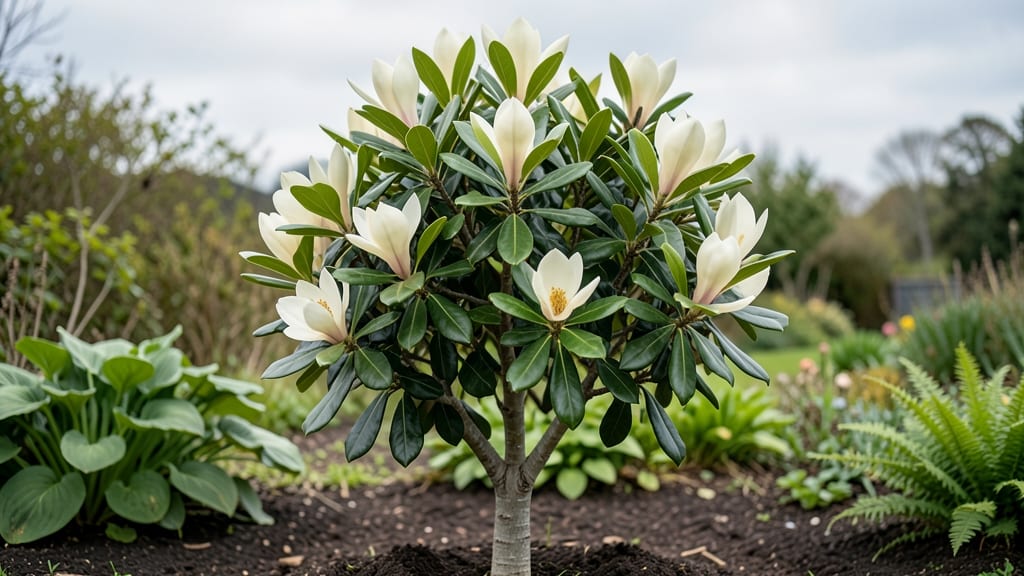
Wondering how tall does Little Gem Magnolia grow before it becomes a towering presence in your yard? This elegant 🌸 tree typically reaches 15 to 25 feet at maturity, but its final height depends on where you plant it and how you care for it.
If you're working with a smaller garden, don't worry—this magnolia stays more compact than its larger cousins when given the right growing conditions. The key to controlling its size lies in proper pruning, soil quality, and seasonal maintenance, all of which we'll cover in detail.
What makes the Little Gem Magnolia so special is its ability to thrive in USDA Zone 6a while maintaining a manageable stature. Whether you're planting in spring or adjusting an existing tree, understanding its growth patterns helps you plan for years of beautiful blooms without overcrowding your space.
Let's explore exactly how to keep your Little Gem Magnolia at your preferred height, from planting tips to long-term care strategies that work for both small yards and larger landscapes.


Little Gem Magnolia mature height: exact growth range by years & pruning practices
The Little Gem magnolia (Magnolia grandiflora 'Little Gem') is a compact powerhouse, reaching a mature height of 15 to 25 feet—making it ideal for medium-sized yards. Unlike its towering cousins, this dwarf evergreen stays proportionate while delivering fragrant blooms and glossy foliage year-round.
But how fast does it grow, and how can you control its height? Let’s break down the numbers and pruning secrets to keep your Little Gem at your desired size.
In its first year, your Little Gem will grow 2 to 3 feet tall, establishing a sturdy trunk and foundational branches. By year 3, expect 8 to 10 feet of growth, with the tree developing its signature pyramidal shape.
Without pruning, it typically hits 15 to 20 feet by year 10, but aggressive trimming can cap it at 10 to 15 feet—perfect for small urban gardens or as a privacy screen in tight spaces.
Here’s the growth timeline at a glance, including how pruning impacts height:
| Age (Years) | Height Range (Feet) | Pruning Impact | Ideal Spacing (Feet) |
|---|---|---|---|
| 1 | 2–3 ft | Minimal (shape branches) | 3 ft from structures |
| 3 | 8–10 ft | Light pruning to encourage width | 6 ft from structures |
| 5 | 12–15 ft | Moderate (remove 1/3 of growth) | 8–10 ft from structures |
| 10+ | 15–25 ft | Aggressive (topping to cap height) | 12+ ft from structures |
Pruning is the #1 factor controlling height. If you want a 10-foot tree, prune aggressively in late winter or early spring by cutting back one-third of the new growth each year.
For a 20-foot specimen, minimal pruning (just shaping) will let it reach its natural height. Pro tip: Never prune in fall—this encourages tender growth that won’t survive winter freezes.
Soil quality also plays a role. Little Gem magnolias thrive in well-draining, slightly acidic soil (pH 5.0–6.5). Amend heavy clay with compost or sand to prevent root suffocation, which can stunt growth.
In poor soil, expect 20–30% slower growth compared to ideal conditions. Mulch annually with 3 inches of organic mulch (like pine bark) to retain moisture and nutrients.
For small gardens, plant your Little Gem 8 to 10 feet away from fences or buildings to avoid future crowding. In larger landscapes, space it 12 to 15 feet apart if using multiple trees for a privacy hedge.
Remember: Root spread is nearly equal to the tree’s height, so account for that when planning.
If you’re worried about overgrowth, focus on regular pruning and balanced fertilization. Over-fertilizing with nitrogen can lead to fast but weak growth, making the tree more susceptible to wind damage or pests. Stick to a 10-10-10 balanced fertilizer in early spring and avoid late-season feeds.
One common mistake? Waiting too long to prune. Young Little Gem magnolias respond best to formative pruning in their first 3 years. If you skip this, you’ll struggle to control height later. Start early, and your tree will stay neat, healthy, and proportionate for decades.
🌿
Little Gem Magnolia mature height: exact growth range by years & pruning practices
The Little Gem magnolia (Magnolia grandiflora 'Little Gem') is a compact powerhouse, typically reaching 15–25 feet tall at maturity—about the height of a two-story house but with a narrower, more manageable profile.
Unlike its towering relatives, this cultivar stays 10–15 feet wide, making it ideal for small yards or urban landscapes where space is limited.
Your Little Gem's height isn’t set in stone, though. With strategic pruning and care, you can influence its growth trajectory. For example, aggressive pruning in early spring can keep it closer to 10–15 feet, while minimal trimming may push it toward the upper limit of 20–25 feet.
The key is understanding how its growth stages align with seasonal care.
🌱 Little Gem Magnolia Growth Timeline
| Stage | Height Range | Pruning Tip |
|---|---|---|
| Year 1 | 2–3 ft | Minimal pruning; focus on root establishment. |
| Year 3 | 8–10 ft | Shape canopy; remove crossing branches. |
| Year 5 | 12–15 ft | Prune to control height; avoid over-trimming. |
| Mature (10+ years) | 15–25 ft | Maintenance pruning; remove deadwood annually. |
If you’re planting in a small yard, aim for 10–15 feet by pruning 30% of new growth each spring. For larger landscapes, minimal pruning will let it reach its full 20–25 feet potential.
The spread (10–15 feet) is equally important—plant at least 10 feet from structures to avoid root competition.
Soil quality plays a huge role in height control. Well-draining, slightly acidic soil (pH 5.0–6.0) encourages steady growth, while compacted or alkaline soil can stunt height. Amend clay soil with compost or sand to improve drainage and promote healthier, slower growth.
For urban gardeners, consider container planting to limit height. A 20-gallon pot can keep a Little Gem at 8–12 feet, but root-bound trees grow slower. Repot every 2–3 years to refresh soil and encourage controlled growth.
Pro tip: Topiary pruning in late winter can shape your Little Gem into a tree or shrub form, reducing height by up to 30%. Just avoid heavy pruning after June—new growth won’t harden before winter, risking frost damage.