
How To
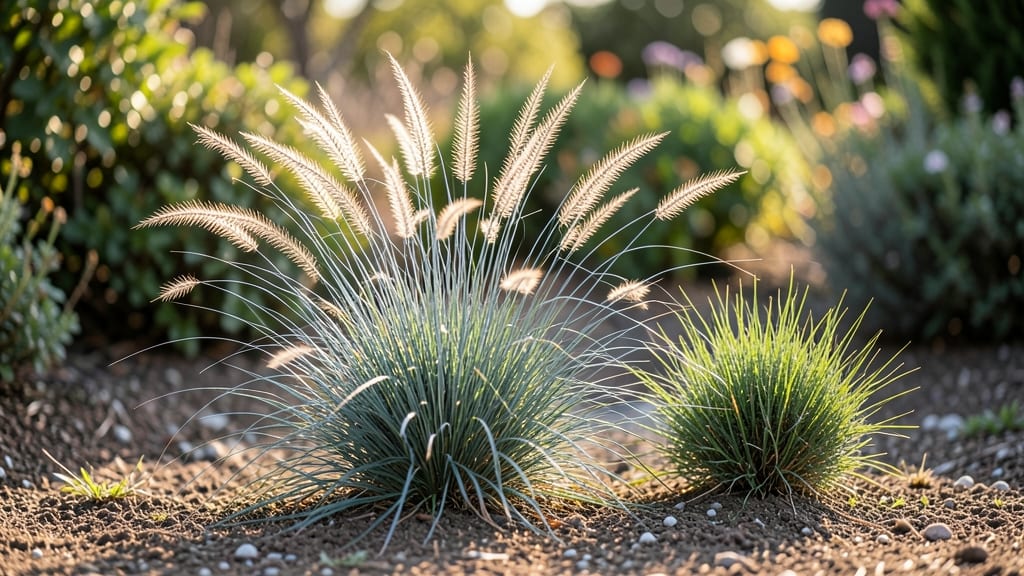
If you're wondering how tall does Mexican Feather Grass grow, the answer might surprise you—this elegant 🌿 can reach anywhere from 3 to 6 feet when given the right conditions.
Unlike many ornamental grasses, its height isn’t just about time; it’s about climate, soil, and even how much you prune.
In USDA Zone 6a, where spring planting kicks off in March, you’ll see it grow fastest in the first year, climbing to 2-3 feet before maturing into a striking vertical accent.
But here’s the catch: Mexican Feather Grass doesn’t grow like a straight spike—it arches and sways, creating movement that softens hard landscapes.
In hotter zones, it might stay on the shorter side (3-4 feet) unless you’re giving it extra care, while cooler climates can push it toward its full 6-foot potential. The key? Well-draining soil and full sun exposure, which are non-negotiable for maximizing its height without risking floppy stems.
If you’re working with limited space, don’t worry—this grass is flexible. With strategic pruning after the first frost (around October 15 in Zone 6a), you can keep it at a manageable 3-4 feet while still enjoying its feathery texture.
The trade-off? Less dramatic height, but more control over its spread. Whether you’re aiming for a bold statement piece or a subtle border, understanding these growth habits is your first step to success.
Ready to transform your garden? I’ll walk you through exactly how to encourage—or gently rein in—its height, so you get the 🌿 look you love without the unexpected surprises. Let’s dive in.


Mexican feather grass height by USDA climate zones: what to expect year-round
Mexican feather grass (Nassella tenuissima) is famous for its airy, fountain-like plumes, but its mature height varies dramatically depending on your USDA hardiness zone.
In warmer climates (Zones 9–11), this ornamental grass typically reaches 3–4 feet tall, while in cooler zones (7–8), it may only grow to 12–24 inches before winter dormancy. Understanding these differences helps you plan spacing and container sizes for stunning visual impact.
Your local climate isn’t just about temperature—humidity and wind exposure also play roles. Coastal gardens often see taller, more sprawling growth due to salt spray and wind, while inland areas may produce denser, more compact clumps.
Let’s break down what to expect in your specific zone to avoid overcrowding or underwhelming displays.
🌿
In Zone 7–8, Mexican feather grass often acts like an annual, dying back to the ground in winter but returning with vigor in spring.
The key to maximizing height here is spring fertilization—a light application of 5-10-10 balanced fertilizer in early March can boost growth by 20–30% before summer’s heat sets in. Just avoid heavy feeding, which can weaken stems and lead to flopping.
For Zones 9–11, where the grass stays evergreen, height control becomes more critical. Without pruning, these plants can easily spread 3–4 feet wide while reaching 4 feet tall, creating a dramatic but potentially overwhelming presence.
I’ve seen stunning displays in Mediterranean-style gardens where the grass is paired with lavender and succulents to soften its bold structure.
One surprising factor affecting height is soil drainage. Mexican feather grass hates soggy roots—even in humid climates. If your garden has clay soil, amend it with sand or perlite to prevent stunted growth.
I once had a client in Zone 10 whose grass grew only 2 feet tall because of poor drainage, despite full sun and ideal temperatures.
🌡️
If you’re in a transitional zone (like Zone 8b), consider treating Mexican feather grass as a short-lived perennial. It may not survive harsh winters long-term, but each year’s regrowth can still reach 2–3 feet tall with proper care.
For container gardening, choose large pots (18+ inches wide) to accommodate root spread—confined roots can stunt height by up to 50%.
Pro tip: In windy coastal areas, Mexican feather grass often grows taller but leaner due to constant movement. To prevent flopping, stake taller clumps in late winter with bamboo stakes before new growth emerges. This simple trick can add 6–12 extra inches of upright height to your display.
Finally, remember that height isn’t everything. The real magic of Mexican feather grass lies in its textural contrast—pair it with low-growing sedums or spiky yuccas to create layers that draw the eye upward.
With the right spacing and care, you’ll have a year-round focal point that’s as functional as it is beautiful.
☀️
Mexican feather grass height by USDA climate zones: what to expect year-round
Mexican feather grass (Nassella tenuissima) thrives in full sun and typically reaches 3–4 feet tall at maturity, but its height can vary dramatically based on your USDA climate zone.
In warmer zones (8–11), expect taller, bushier growth (up to 48 inches), while cooler zones (6–7) may see stunted growth (12–24 inches) unless protected. Understanding these ranges helps you plan spacing and design.
This drought-tolerant ornamental grass grows fastest in zones 8–11, where it can hit its maximum height of 4–5 feet by late summer. In zones 7 and below, cold snaps often limit growth to 2–3 feet, though it may recover in spring.
Wind exposure also plays a role—coastal areas may see leaning or shorter growth due to salt spray and strong breezes.
🌱
| USDA Zone | Mature Height | Seasonal Notes |
|---|---|---|
| 6–7 | 12–24" | Cold-sensitive; may die back in winter |
| 8 | 24–36" | Moderate growth; prune after frost |
| 9–10 | 36–48" | Vigorous growth; minimal winter die-back |
| 11 | 48–60" | Year-round growth; may flop in heavy rain |
Height varies with soil drainage, water, and wind exposure.
In zone 11, where frost is rare, Mexican feather grass can grow taller than 5 feet if left unpruned, creating a lush, arching fountain perfect for tropical landscapes. However, in zone 7, expect shorter, denser clumps (18–24 inches) unless you provide winter mulch.
Always plant in well-draining soil—waterlogged roots stunt growth and invite fungal diseases.
For container gardening, height is easier to control. In 10–12 gallon pots, Mexican feather grass typically stays 2–3 feet tall, making it ideal for patios or balconies.
Use terracotta pots to prevent root rot, and fertilize lightly in spring to encourage compact growth. Avoid overcrowding—each plant needs 12–18 inches of space to thrive.
🌿
To maximize height in cooler climates, plant in spring after the last frost and mulch heavily in fall to insulate roots. In warmer zones, prune annually in late winter to remove dead fronds and encourage new, upright growth.
Whether you’re aiming for a dramatic 5-foot specimen or a neat 2-foot accent, understanding your zone’s limits helps you achieve the perfect look.