
How To
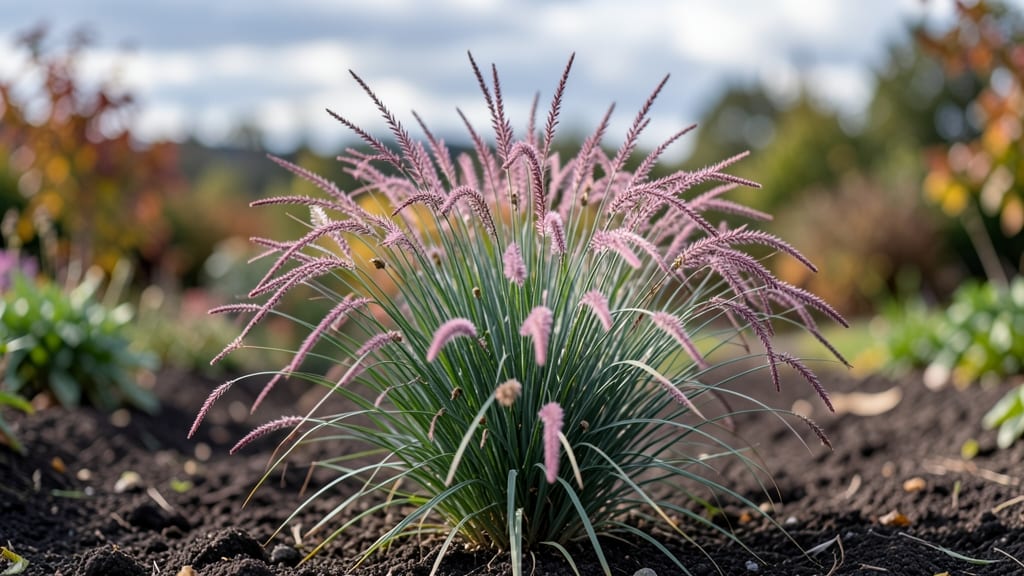
If you're wondering how tall does muhly grass grow, the answer isn't one-size-fits-all—this ornamental grass offers a range of heights that can completely transform your landscape design. From delicate 1-foot dwarf varieties to striking 4-foot giants, muhly grass adapts beautifully to different garden spaces while requiring minimal care.
What makes muhly grass so versatile is its ability to thrive in USDA Zone 6a and beyond, making it perfect for spring planting in regions like yours.
Whether you're aiming for a low-maintenance border or a dramatic focal point, understanding its mature height helps you plan spacing and companion plants for a cohesive look.
In this guide, I'll break down the height variations by popular species, share spacing secrets to maximize blooms, and reveal pruning tips to keep your muhly grass looking its best year-round. Let's dive into how to get the most out of this drought-resistant beauty.
From its airy plumes that dance in the breeze to its winter charm, muhly grass delivers year-round interest with minimal effort. Discover how to choose the right variety for your space and create a garden that's as stunning as it is practical.


Muhly grass height by variety: from dwarf to towering types
Muhly grass (Muhlenbergia spp.) is a stunning native ornamental grass that adds textural beauty and seasonal interest to gardens. But if you're planning your landscape, knowing exactly how tall each variety grows is critical for spacing, sunlight exposure, and overall design.
The mature height of muhly grass can vary dramatically—from compact dwarf types to tall, billowy varieties that reach shoulder height.
Most muhly grass varieties mature between 2 to 4 feet tall, but some dwarf cultivars stay under 18 inches, while others can stretch toward 4 feet in ideal conditions.
Understanding these differences helps you choose the perfect variety for your garden—whether you want a low-border accent or a dramatic focal point. Let’s break down the most popular types and their growth habits.
| Variety | Mature Height | Spread | Bloom Season | Best For |
|---|---|---|---|---|
| Muhlenbergia capillaris 'Pink Flamingo' | 2–3 ft | 2–3 ft | Fall/Winter | Borders, containers, mass plantings |
| Muhlenbergia lindheimeri | 1–2 ft | 1–2 ft | Summer/Fall | Rock gardens, drought-tolerant landscapes |
| Muhlenbergia capillaris 'Carbon Seeds' | 3–4 ft | 3–4 ft | Fall/Winter | Back of borders, focal points |
| Muhlenbergia capillaris 'White Cloud' | 2–3 ft | 2–3 ft | Fall | Mixed borders, pollinator gardens |
| Muhlenbergia capillaris 'Bowman's Blue' | 2–3 ft | 2 ft | Fall | Dry gardens, native plantings |
One of the most exciting features of muhly grass is its seasonal height transformation. In spring and summer, the foliage stays relatively low and compact, but as fall approaches, the plume-like seed heads emerge, adding 1 to 2 feet of dramatic vertical interest.
This makes muhly grass a year-round star, especially in winter landscapes where most plants have gone dormant.
For example, 'Pink Flamingo' starts at 18 inches in spring but can reach 3 feet by winter with its iconic pink plumes. Meanwhile, 'Carbon Seeds' maintains a taller, more upright form year-round, making it ideal for back-of-border plantings or as a drought-resistant screen.
If you're designing a pollinator-friendly garden, the 'White Cloud' variety’s 2–3 foot height provides perfect perching spots for bees and butterflies.
It’s also important to note that muhly grass doesn’t grow much taller after maturity. Once established, most varieties stop vertical growth and focus on spreading or developing seed heads. This makes them low-maintenance compared to fast-growing bamboo or invasive grasses.
However, if you notice your muhly grass outgrowing its space, it’s likely spreading horizontally rather than vertically—something we’ll address in the next section on spacing secrets!
If you’re unsure which variety to choose, consider your garden’s scale. For smaller gardens or containers, dwarf types like 'Lindheimeri' (1–2 ft) work beautifully. For larger landscapes or focal points, 'Carbon Seeds' or 'Pink Flamingo' will deliver maximum impact.
Just remember: full sun and well-draining soil are non-negotiable for achieving these mature heights.
Now that you know the height ranges, let’s dive into how to space muhly grass for optimal growth and stunning displays—without overcrowding or competition.
Perfect spacing for muhly grass: avoid crowding & maximize blooms
Proper spacing transforms muhly grass from a wild clump into a showstopping landscape feature. Since varieties range from 1 to 4 feet tall, spacing directly impacts airflow, winter dormancy, and those iconic pink or silver plumes.
Crowding leads to weak stems and fewer blooms—so let’s get this right!
For dwarf varieties like Muhlenbergia lindheimeri (1–2 ft), plant 12–18 inches apart. This prevents competition while keeping their compact habit intact. Semi-dwarf types (Muhlenbergia capillaris, 2–3 ft) thrive with 18–24 inches of space to spread naturally without flopping.
🌱 Visual Guide: Spacing by Variety 🌱
- 🌿 Dwarf (1–2 ft): 12–18" apart for tight clusters
- 🌾 Semi-Dwarf (2–3 ft): 18–24" apart for airflow
- 🌳 Standard (3–4 ft): 24–36" apart to prevent flopping
- ✂️ Pro Tip: Space wider in windy areas to avoid stem damage
Spacing also affects winter dormancy. Tight clusters retain moisture longer, risking rot or fungal issues during cold snaps. Looser plantings dry faster, promoting healthier regrowth in spring. For border plantings, use 24-inch spacing—this creates a lush, layered look while keeping maintenance minimal.
In container gardens, muhly grass needs at least 12 inches of diameter per plant. Use well-draining pots (terracotta works best) and group 3–5 dwarf plants together for a dramatic, cascading effect. Just avoid overcrowding—root competition stunts growth and reduces those showy plumes you’re after!
Finally, mulch lightly (1–2 inches) around bases to retain moisture without suffocating roots. This small step keeps your muhly grass healthy, upright, and ready to bloom year after year. 🌻